Laneway Blog Real Time

February 2025. Mid February I met with my interior designer to select the finishings for the Laneway House I will be building this year.

This was a very exciting time.. my dream of a new future home would  come to life in the choices we would make over the next few days.. the kitchen, bathroom and cupboard millwork, countertops,  flooring, moldings, lighting design and fixtures.  A daunting number of decisions to be made, a tad scary but also so energizing!!!

The COVID Spark

The scary dark days of COVID sparked the birth of an idea. The idea took root, and we started dreaming. Dreams developed into plans. We entered  the real estate market, and our early 2020s dreams became hard-hitting nightmares in 2024. The nightmares finally subsided and by the fall we’d come through the worst of the stressors. We were once again moving forward towards the dream. Overtime I will weave these chapters of the journey into the  blog.

In the early fall, I joined Rachael my daughter, Callum her partner, and Cooper my young grandson, and moved into the new home we had bought on Gladstone Ave in Dovercourt Village. We had purchased the property in early May—a new bigger home for Rach, Cal and Cooper with the potential for a laneway home for me. The buy, sell and move challenges behind us, we could focus on settling in and starting the design process. A 2 storey home, Gladstone had lots of room— great living space on the main floor, (space we often share), and a dedicated ‘drop down’ living suite in the basement that I will call my home as I await the build of my new space. 

Selecting the Design Build Firm

The next big decision was to land on a design build firm that would be able to turn my dream into reality. While I did do some limited research on contractors in this space, I think my decision to select 2X2 Construction https://2x2construction.ca/about-us had formed over the course of the past 2 years. 

In April of 2023 I began my research into laneway housing. My internet search brought me to the 2X2 Construction site on their laneway and garden suite construction services https://2x2construction.ca/services/laneway-house . This website is a dream—filled with real plans and photos of laneway houses, a terrific ‘Laneway House Guide’  an informative laneway Q&A, laneway house requirement, tips and trends and costs. It was a gold mine!! Having absorbed as much as I could and armed with my personal set of questions, I sent 2X2  the following message.

Good day. 

I am hoping to purchase a home with my daughter and her partner that would enable the buildout of a space for me. 

We need assistance in the planning stages that covers what type of property we need to purchase, the design of the separate spaces to the final build of the project. We have considered the option of a laneway house. 

We have found your website to be very helpful and wondered if we could set up some time to meet to develop a clearer understanding of what  planning we need to do to prepare for such a project.

I look forward to hearing from you

Geri

David 2X2 Account Manage called me. He spent an hour and a half and answered question after question. At this point I had not committed to the laneway build, I was simply exploring an option. David was generous with his time and committed to offering ongoing guidance as we debated our future options. Over the course of the next year and a half, David and I connected again and again. In December 2024 we committed to find a property and David became a resource (in addition to our real estate team — more on that dream team later) to call on to assess whether the properties we were considering were suitable.  

David provided great insight into the final decision to purchase Gladstone. It was a great fit!! The neighborhood had a lot of appeal…close to the subway,  a charming family neighborhood with schools and parks, the draw of urban offerings–bars, coffee shops and local stores.  The main home was fully renovated, move in ready and provided ample space. The property had a large backyard ( for urban standards), a 2 car garage, a very wide rear laneway providing great access, and it ticked all the laneway build requirements for smooth ( hopefully) permitting.

So having moved into our home, conversations with David began in earnest  in late September as Rachael, Cal and I 

  • Reviewed the 2X2 design /build process. 
  • Explored early options of what might be feasible given the garage and property size
  • Discussed 2X2 cost parameters and my  budget 
  • Visited 2X2 build projects in process
  • Conducted references on 3 2×2 laneway clients

The Design Build Process

In my next blog I will pick up the story and share the next phase of the design journey

Cusco

In February of 2018, I joined my daughter Rachael for an extended holiday in South America visiting Argentina and Peru. This blog covers our memorable hiking trip in the Andes in the Cusco region located in the southern central part of Peru. Cusco, the city is the capital of the Cusco region. The Andes are the second highest mountain range after the Himalayas, its highest point is Mt Huarascan at 22,204 feet. I can’t imagine what the air must be like at that height…it was challenging enough managing to hike and breath at 12,000 feet.


Our hiking experience was arranged with Peru Ecocamps  https://www.peruecocamp.com

As in the past, I leveraged the knowledge and experience of Mercedeh Sanati of Quench Trip Designs http://www.quenchtravel.com  Mercedeh’s knowledge of south America ensured our adventure would be remarkable. Having advised her that we wanted to include a hiking challenge she quickly recommended PeruEcoCamps.

Our experience began in Cusco. The evening of our arrival at our boutique Tierra Viva Cusco Plaza Hotel https://tierravivahoteles.com/tierra-viva-cusco-plaza/ (we recommend), Johann Munoz our PeruEcoCamp tour guide met us to review the week ahead. Johann was born in Cusco and has worked as a mountain guide for many years. We would find out over the course of the week, that he was extremely knowledgeable, both about the culture and history of the area as well as thechallenges of the Andes mountains. It became clear that we would be in very good hands.

Chonta and the Condors
UrtTbfXdQhqVvKE1Fxy14Q


Early the next morning Johann and Jose our driver for the week, picked us up bright and early.

Our first stop was an Inca ruin. It was the beginning of our introduction to the indigenous culture of Peru. We were to learn much more over the course of the week with Johann

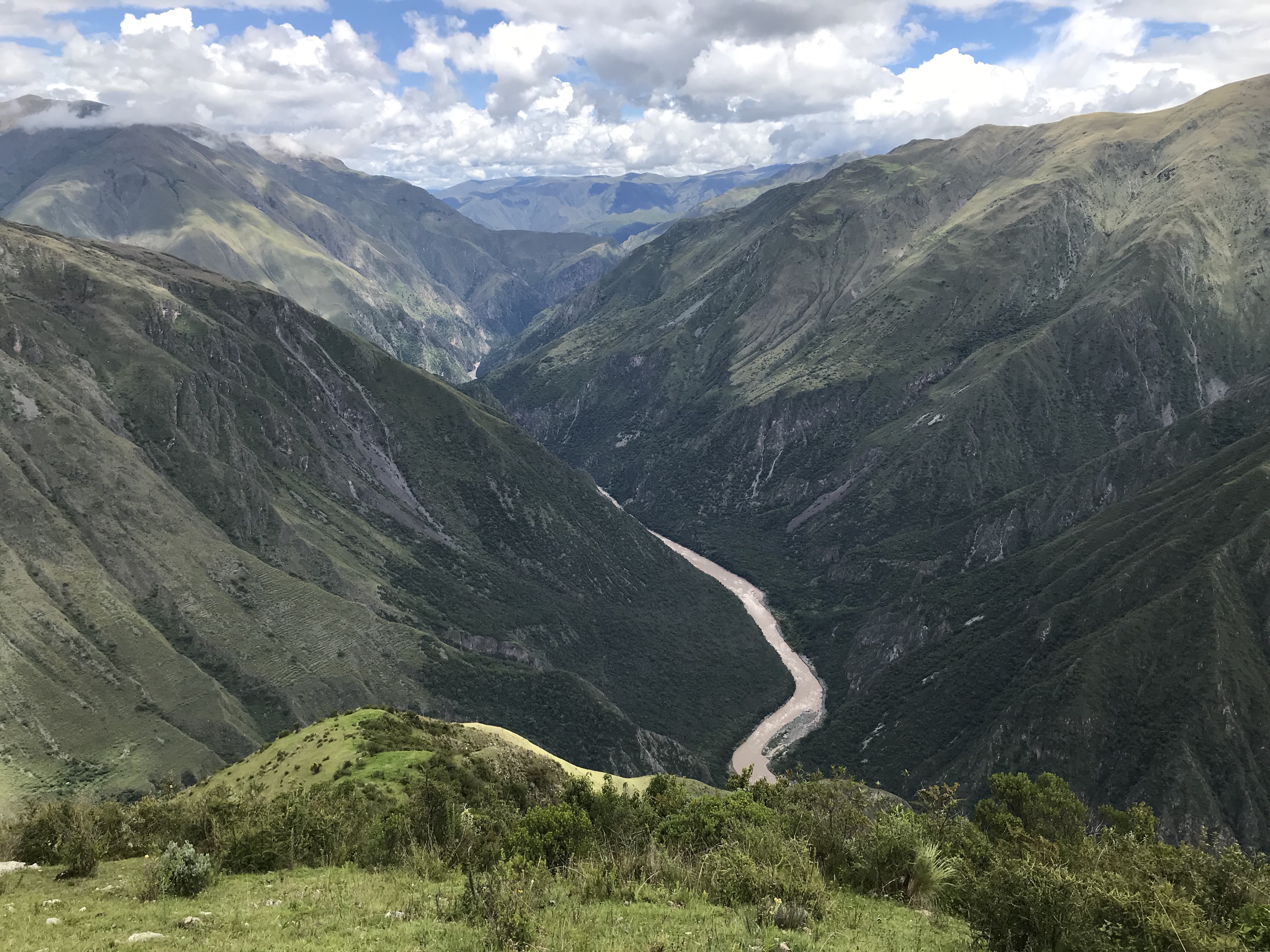
By mid-morning  after a harrying ride up the mountain, we were on our first hike of the week starting at mountain hamlet of Chonta (11,000 feet) to discover the beauty of the Apurimac Canyon. Our trek was moderately difficult taking us to a lookout point over the canyon. Our hope and purpose were to catch sight of the majestic Andean Condor. The condors love the canyon as they soar upwards from the canyon floor on the thermal winds, reaching heights up to 26,000 feet. Reported to have a wingspan of 9-10 feet they are truly majestic birds—it is one of the largest birds in the world standing up to 4 feet high and weighing up to 27 pounds. It can fly for hours without using its wings, simply by gliding on the thermal winds In Andean lore, it is believed that the souls of the dead are transported to the spirit world on the wings of the condor.

e1seDlNlRkax81LUg+Npnw

It was windy and chilly as we arrived at the lookout point and we tucked into our lunch keeping our eyes peeled to the sky and the canyon. After several hours and somewhat disappointed that we had not seen any birds, we started our hike back down the mountain. And then of course, we spotted the Condor. They are truly mesmerizing!! I managed to get a short video clip of them in the distant but was too caught up in the moment to record them in pictures.  In the space of a about 20 minutes we managed to catch sight of 2.

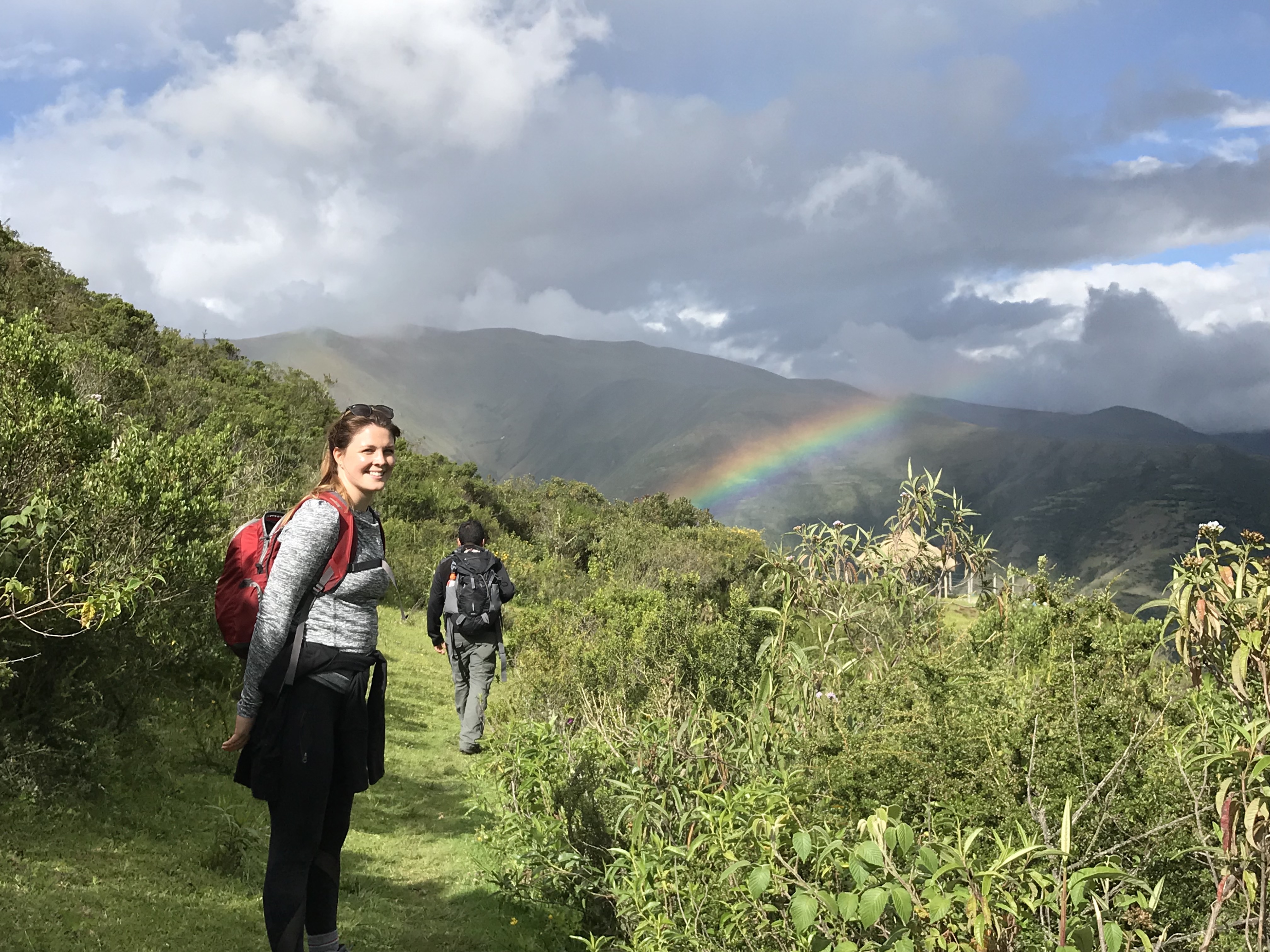
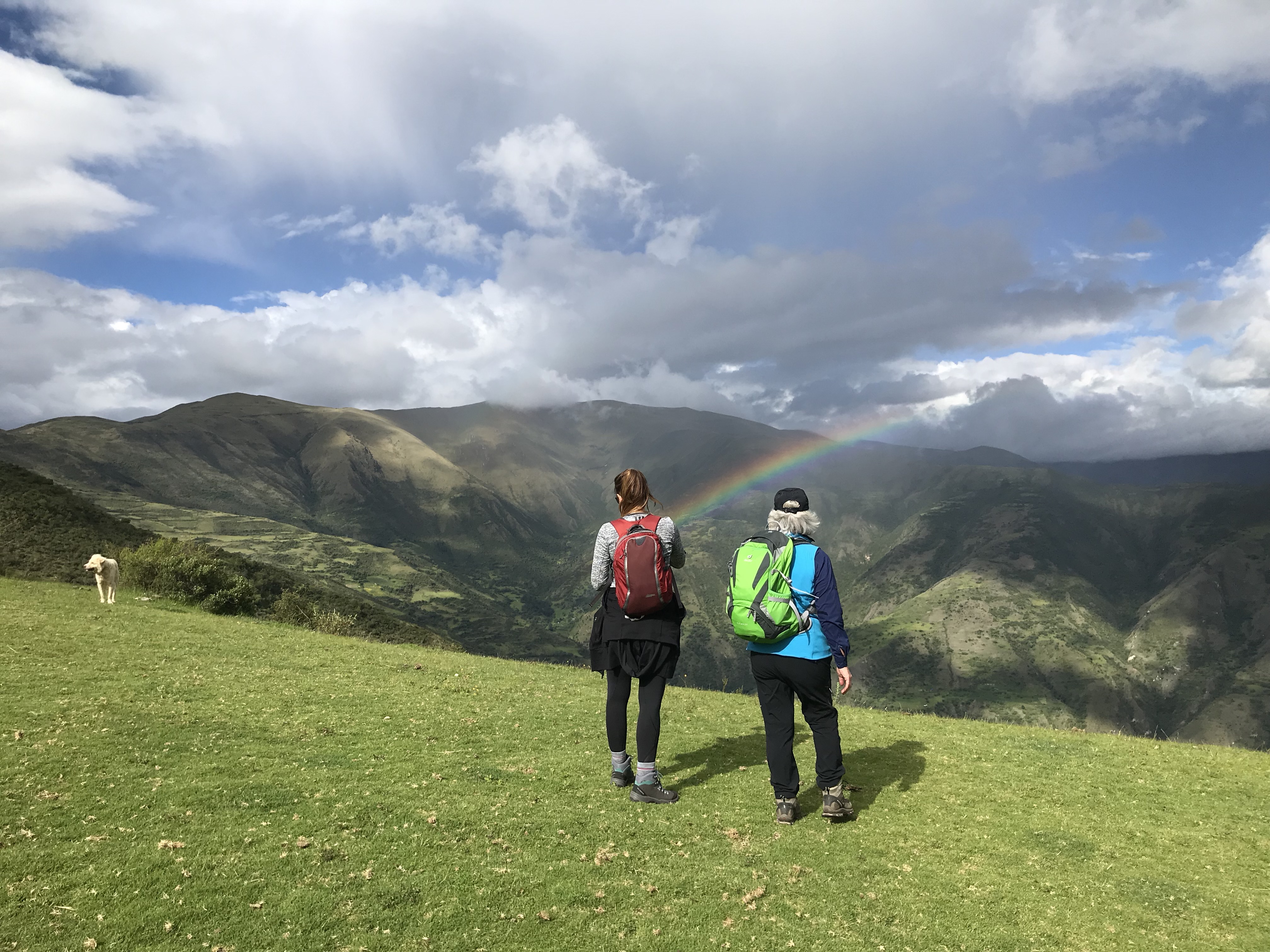
As we made our way enthusiastically down the mountain, we saw rain in the distance and then were awarded a gorgeous rainbow… this became a regular occurrence as we trekked in the Andes. Cloudy, sun, rain, cloud, rain, sun, rainbows!!! It made it all worthwhile.
3Z1d6hE0SkecwJ9oqWF3Agx0j4EwYOQsS%cwyb7didEQ

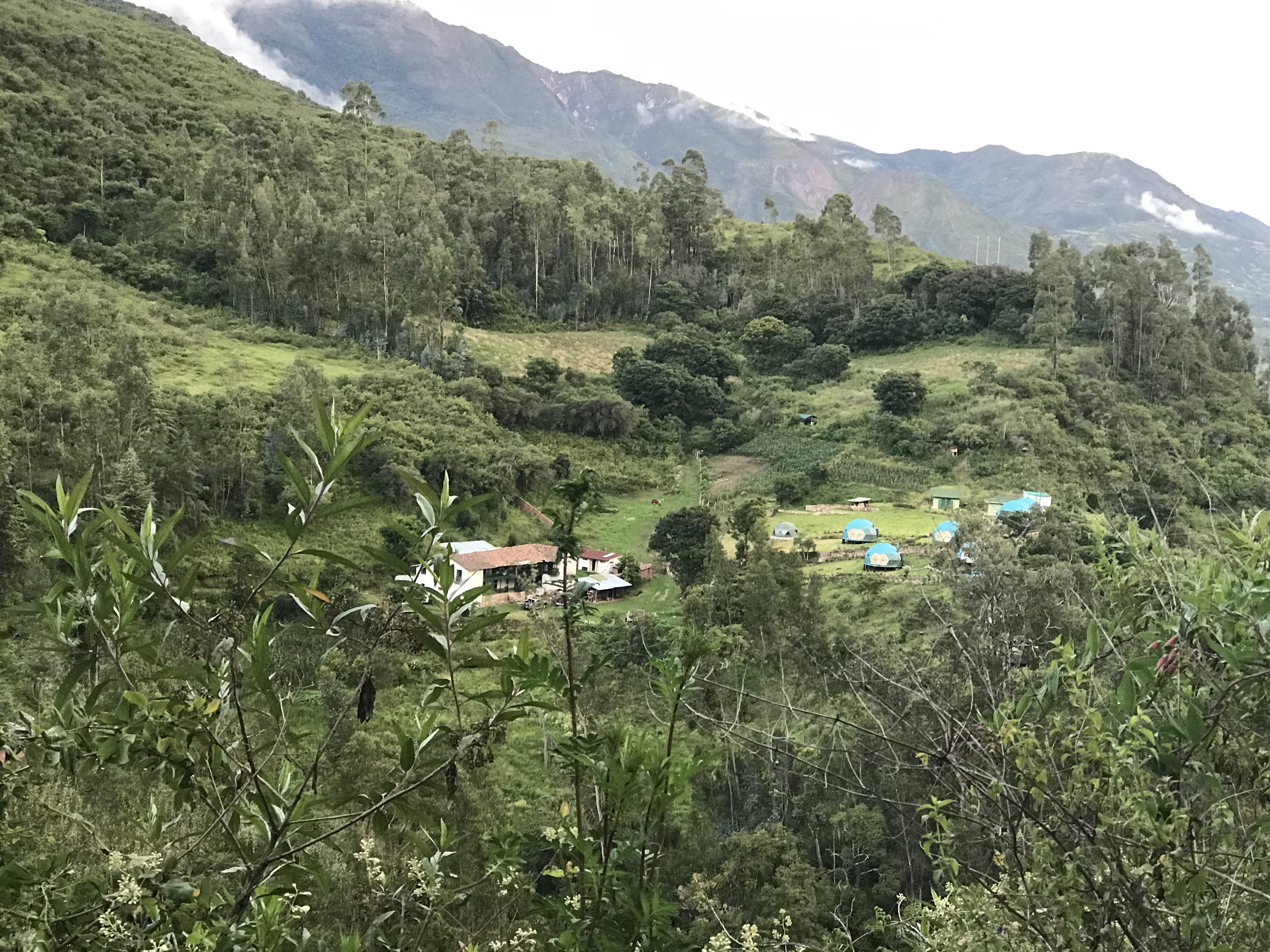
From Chonta our driver took us via the town of Mollepata to our first Eco Camp Pincopata. Our first sighting of the ecodomes nestled in the hills thrilled us. On arrival we were greeted by the staff, a lovely tea and escorted to our domes
1JbNq4qzRlOL1vZ40GlYGA

Home Sweet Dome:

The Peruecocamps promised to offer a luxurious camping experience…and glamping it was!!!

Beautifully appointed, comfortable beds with exceptional linens, full private bathrooms, and inviting wood burning stoves, we had dropped into the lap of luxury in the heart of the Andes Mountains. Gushing over our new accommodations, and after a lovely hot shower, we joined Johann in the ecodome dining room to enjoy a lovely dinner of local Andean food. The camps all have gardens and the kitchen uses local fresh produce from the gardens and local farmers. A lovely glass of wine for me and a Pisco Sour for Rachael and we ended our first day happy we had come across this adventure.

After a lovely breakfast the following morning, and a drive further northwest, we left our driver and car and started our second hike with Johann. The day threatened to be a wet one and we donned our new ponchos (bought in Cusco at Johann’s suggestion) and started our hike. While this hike was labelled as easy to moderate, I experienced it as moderate to difficult. By this time, I was beginning to understand the difference of a 4,000 ft difference in elevation. My hikes in the Canadian Rockies were probably all under 8,000 ft—below 8,000 ft there are no high-altitude effects. But at 11,000 to 14,000 ft—the territory we were now hiking in – altitude sickness symptoms kick in. I was experiencing much more difficulty in catching my breath and keeping a normal hiking pace. Truth be told, I was probably also much less fit and several years older than the last time I hiked in the Rockies—all of which was impacting my ability to climb. Rachael and Johann were clearly not struggling as much as I was. We hiked the morning and into the early afternoon, but were not able to complete the ridge walk which was to take us to our destination at the second camp. Nevertheless, it was an exhilarating day… a fair bit of rain as well, so several clothing changes before we headed back down the mountain to be collected by Jose.

We arrive wet and tired to our second camp Soray Ecocamp (12,693 feet). The accommodations at Soray were just as elegant and comfortable as Pincopata.

Although both Rachael and I felt the effects of the high altitude (difficulty breathing, light headedness, mild headaches and sleeping challenges) we did not suffer severe altitude sickness. Our guide was very mindful of our water consumption, pace and energy level so we attributed our wellness to his careful watch over us.

After a rest, we headed off again to hike down the valley towards the Salkantay Pass, hoping that it would be clear enough to catch a glimpse of the Salkantay glacier. I chose to photo the fauna and flora near a rushing stream and Johann and Rachael hiked upstream—regrettably the valley was socked in so no glacial vistas.

Humantay Glacial Lake

The next morning over breakfast we discussed our upcoming hike. As we were now above 12,000 feet and hiking up to just under 14,000 ft I was quite nervous about my ability to manage the hike. Johann, as ever attuned to moods and my nervousness had the solution. He had arranged with a local to have a horse and guide accompany us—meaning once I got into a challenging section of the hike, I could choose to ride.

Hiking nerves under control, we set off at 7 am. Johann wanted us to be at our destination, Humantay Lake at the foot of the Humantay glacier by 9:30 am. He indicated the hike to the lake was a popular destination and by 9 am hordes of people would be starting their climb. He wanted us to experience the glacial lake with no other hikers. I hiked until I could see the steep terrain ahead of us and as suggested I mounted the horse and had an awesome experience trail riding up the fairly steep mountain.

Once we crested the cut into the small valley at the base of the glacier we were charmed by the turquoise blue glacial lake.

lSPSql87SP2+2tAQSXMhsQ

As promised by Johann we got to sit in total silence drinking in the beauty as the clouds circled the mountains giving us on again / off again views of the spectacular glacier at the far end of the lake.

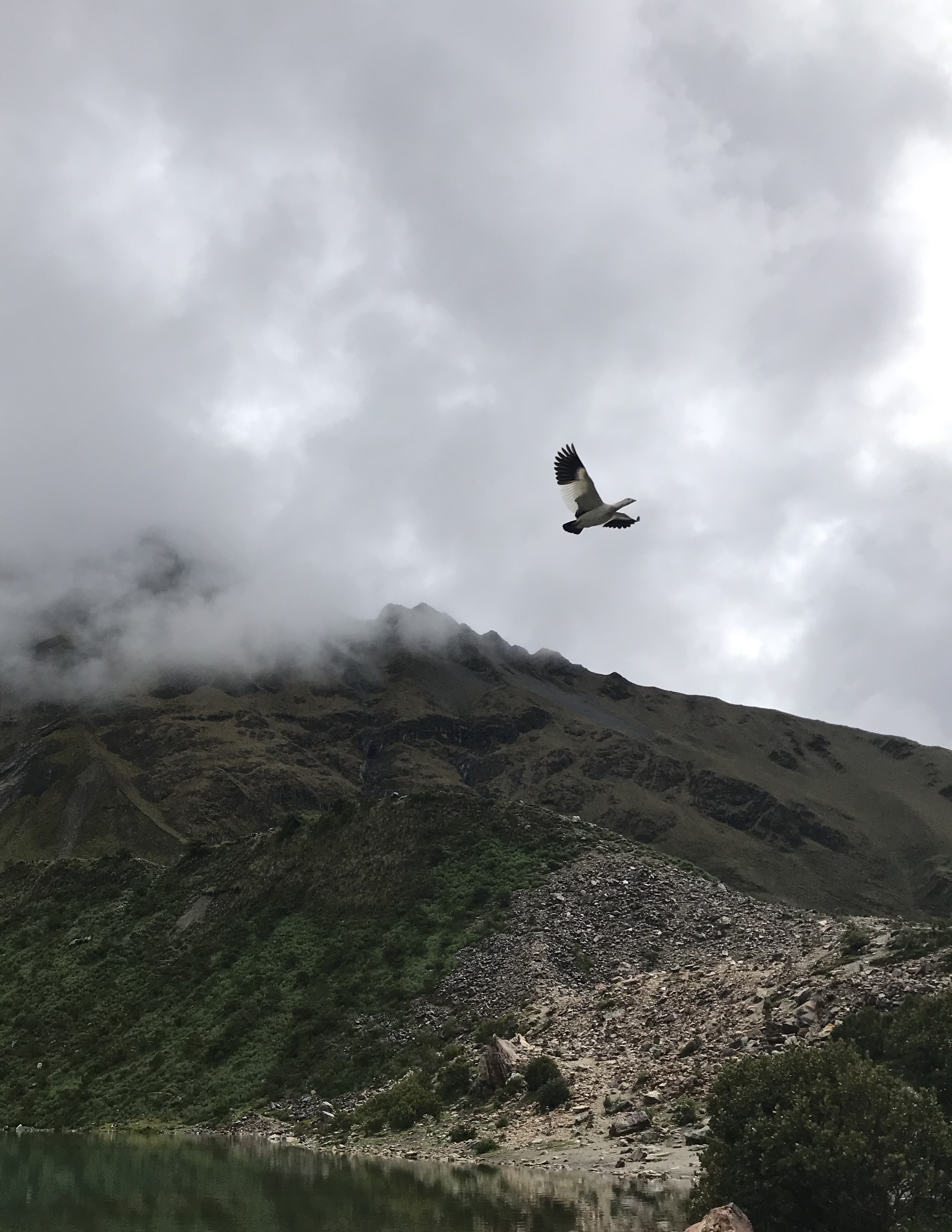
At one point we saw two large black and white birds at the far end of the lake. Having spotted them Johann began one of his many narratives on the native wildlife and the Quechua people. The Quechua Indians of the Central Andes are the indigenous Andean population we mistakenly call the Incas. Johann told us that the Incas were not a people—the Inca was the name of the King. The Quechua existed in the Andes a century before the arrival of the Spanish. They were a highly civilised and developed nation (more to come on the Quechua people when I blog about Machu Picchu)
fullsizeoutput_ab12

So back to the ‘bird tale’. As one of the birds soared over head, Johann reported that they mated for life and were found high in the Andes returning to their nesting grounds year after year. In his quiet telling the narrative looped into a story about how the Quechua people also mated for life. The choice of mate was an extremely important one … divorce did not exist… life was hard in the Andes and families were deeply involved in the selection process. The woman and man can choose their partner, and initially practice a trial marriage (this is still the case in the mountain regions of Peru today). During the trial period (lasting a year or more) the couple live together; the families check out the man or woman ensuring they are up to expectations—if all goes well the couple then get formally ‘married’ –but they have the choice to end the relationship during this trial period.

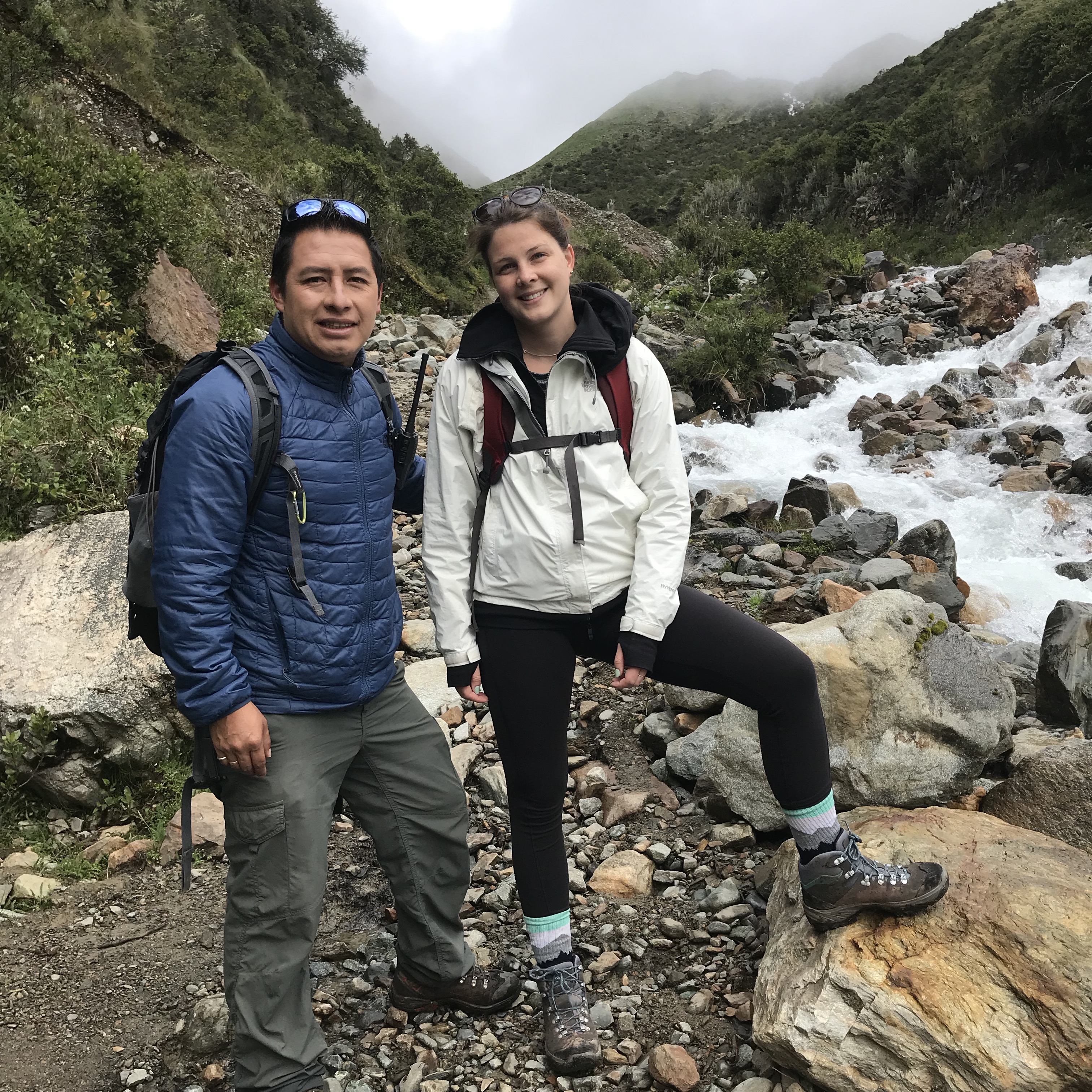
Throughout our time with Johann he would weave the stories of his people, the history of the culture, the fruits and  ways of the land into our walking and dining experience—it was charming… a rock, a bird, an animal, a local,  an entrée, a mountain or sunbeam would unlock another of his narrative sketches— by the end of our week with him, we had a whole canvas of  legends, traditions and folk tales of the Andean culture, its food  and its people.
4o6iL%7MRcqXVPi%zkx56A

Johann our guide

Several hours later having returned to Soray Camp, dined on a lunch of local produce, Jose our driver took us back to our first camp Pincopata. We had hoped to take another short hike but the rains had washed out the road to the area. Johann and Jose took us on a rather interesting cultural trip.

Earlier in the week we had passed a small group of local Andean farmers standing at the side of the road having a break.  The Quechua farmer in the high Andean communities starts his and her day at four in the morning. Most Quechua rely on subsistence farming for their livelihood. They hike up the mountains with their primitive wooden farm utensils to their farmland—terraces on the steep Andean slopes. We hardly ever saw animals or vehicles being used in their farm chores. Labour intensive their approach to farming was time consuming and tiring. By 10 am they were ready for a break. Johann informed us the morning break drink is chica,once a sacred drink of the Inca.

 The Chica Bar

Given we could not hike, Johann and Jose decided to take us to a local chica bar, a local speakeasy that serve the ancient fermented corn beer.  A chica bar or chicaria signals that they are serving the drink by hanging a pole with a red orange flower made of plastic bags. Indeed, we had seen these plastic creations driving through the Andean hamlets. We entered the bar through a side alleyway and found ourselves in a most unusual bar. Open to the outdoors, dirt floors, an adobe oven, makeshift benches and all manner of plastic containers simply scattered about–truly a disordered messy cluttered environment. Wooden benches and tables, old political posters on the walls and sitting amongst all this a few of the local farmers and the woman who made the chica greeting Johann and Jose warmly.

For a few sol – about 80 cents we received a glass of the chica. It was a yellow muddy drink served in a big beer glass.   All chica de jorastarts with a yellow corn, goes through a series of methodical germinating steps taking the better part of a day and a half.  The bar woman begins the process every day and has ‘fresh’ chica to sell to the local farmers by mid-afternoon. They will come to enjoy a few glasses and then take liters of the chica with them to consume the next day while they are tending their land.

Chica production is the work of women. Our bar woman was taught by her mother and she is one of many generations running this bar. Rachael and I, somewhat skeptical of the taste and wisdom of consuming a drink fermented in these conditions, shared a glass of the brew. Johann again provided the colourful tale of the history and stories of the Chica. Rachael was instructed to first pour some of the brew on the dirt floor as thanks to Pachamama or Mother Earth.  Chica is always first offered to Pachamama signifying thanks for the fertile land.

The drink was a bit sour, fairly murky at the bottom (we only drank the clearer top layer). We decided it was like a corn cider. Nodding greetings to our other bar mates we smiled and laughed and drank in the rather unusual ‘bar environment’.

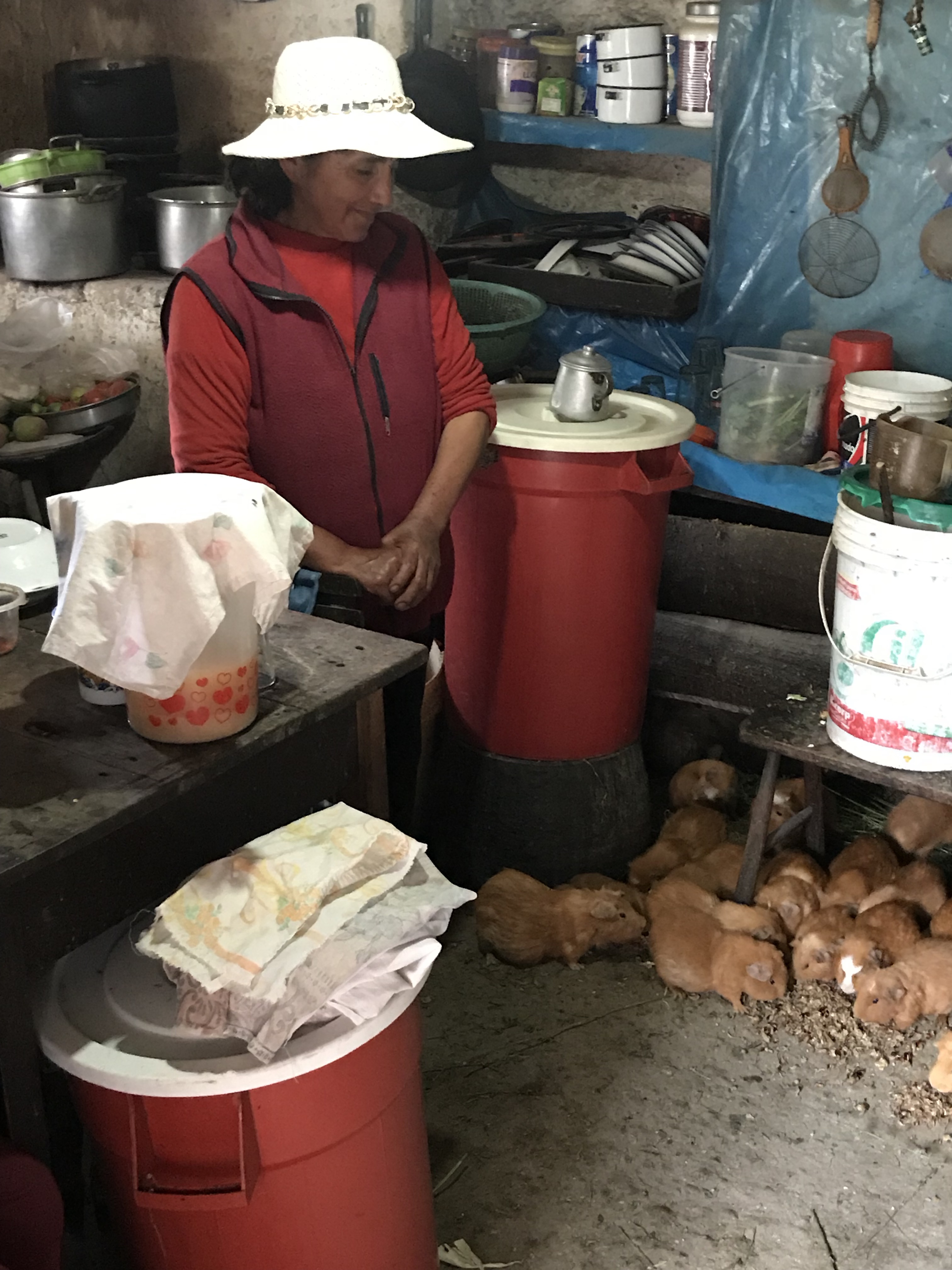
After a time, Johann invited us to join the brew mistress in her kitchen…. Primitive and rudimentary indeed!!! A noise in the corner pulled our attention to a horde of small animals on the floor… it turns out there were about 30 guinea pigs running free in the kitchen. Oh MY!!
iIzq11e9R%avD59vNJVOJg

Guinea pigs are considered a delicacy in Peru. They are the preferred dish for festivals and holidays.  They are served crispy complete with head, legs and eyes. Rachael and I loved and consumed many Peruvian dishes…. Guinea pig was not one of them.

The Guinea pigs are raised in the house and provide a productive use for kitchen scraps and discarded foods—the Chechuan alternative to our green bin. And indeed, that is what the guinea were doing in our brew master’s kitchen, consuming the remnants of the chica corn mash.

This bar atmosphere is one Rachael and I will long remember. Not sure that for either of us chica will replace a lovely gin martini though.

I will end this blog instalment here.  Our time in the peru ecocamps was truly an amazing experience. Raul Montes, whom we met, is the owner and founder. Born in Cusco and having worked as a guide in the region, he wanted to create a different kind of tourism. His website states

“I began to formulate ideas of a socially responsible, adventurous trekking tours for the upscale traveler –the first of their kind in the Andean region of Peru.

 PeruEcocamp has been conceived to bring travelers to the Mount of Salkantay area, while ensuring the social well-being and economic development of local communities.We are now living the Peru Ecocamp dream, and we are looking towards a future filled with enormous possibilities, as the very first project of this type in Peru. Our concept is one that prioritizes concern for the environment, coupled with eco-friendly development that is sustainable over time. Our goal is to benefit our strategic partners, while at the same time working on skills building and job creation initiatives for the local communities who form part of the Peru EcoCamp family.

Our destination the next day was Machu Picchu. That story requires a full blog on its own. So more to come.

6H%n3YZrRJi+xkdV8Qi4eQ


In my initial blog on Berlin I shared that it was impossible not to be confronted by the schwer . The dark and problematic legacy of Hitler and the Nazis. Nowhere is this more in evidence than in two remarkable sites that I visited during my stay. The Memorial to the Murdered Jews of Europe and the Typography of Terror. This blog will deal with the first Die Denkmal für die Ermordenten Junden Europas.

Prior to visiting the site, I was already struck by the language describing the Memorial…..Murdered. The strength, censorious and exactness of the word. Not killed, not dead, murdered.

The language deliberately chosen by the German government. Appropriate and difficult.

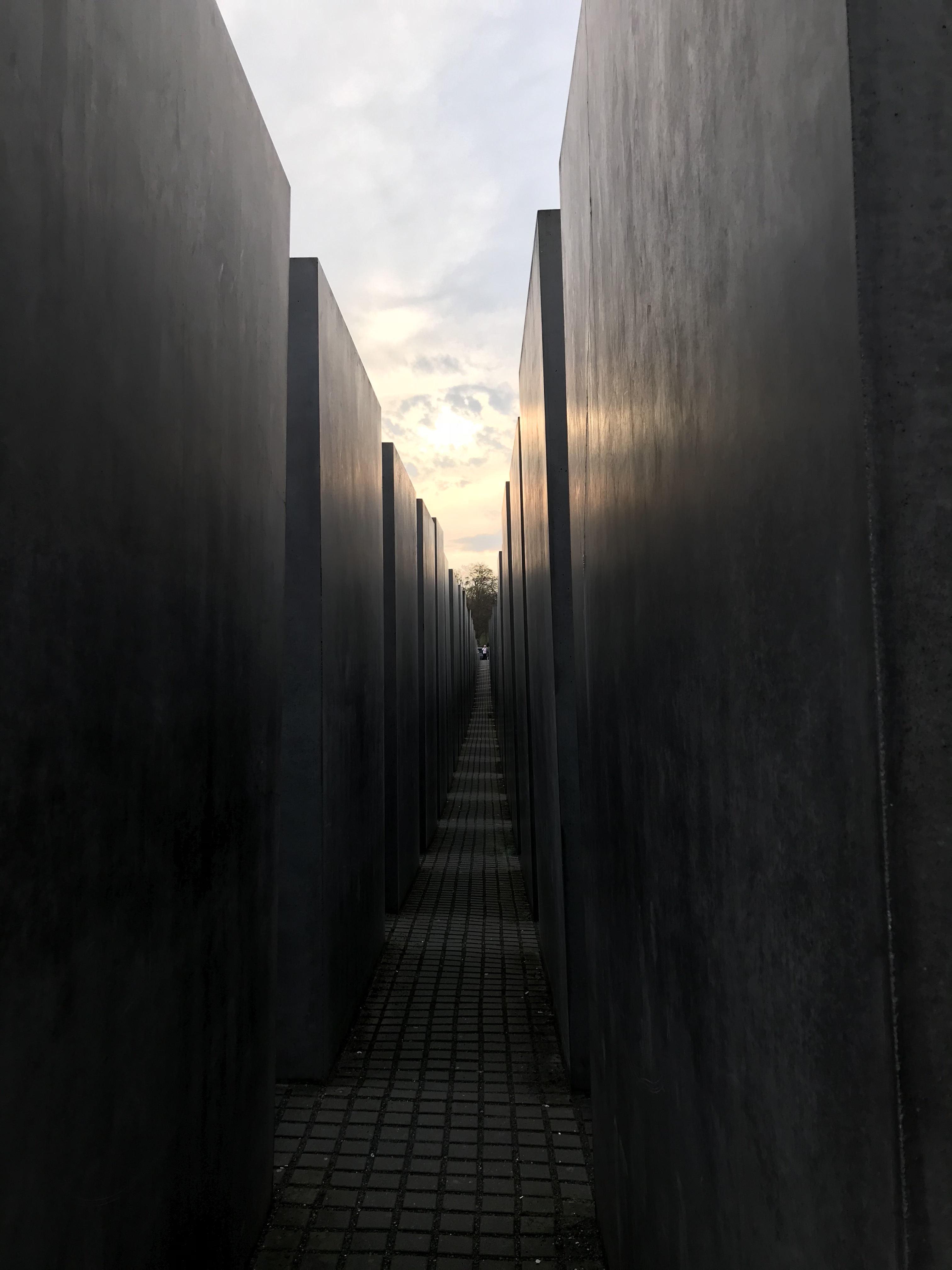
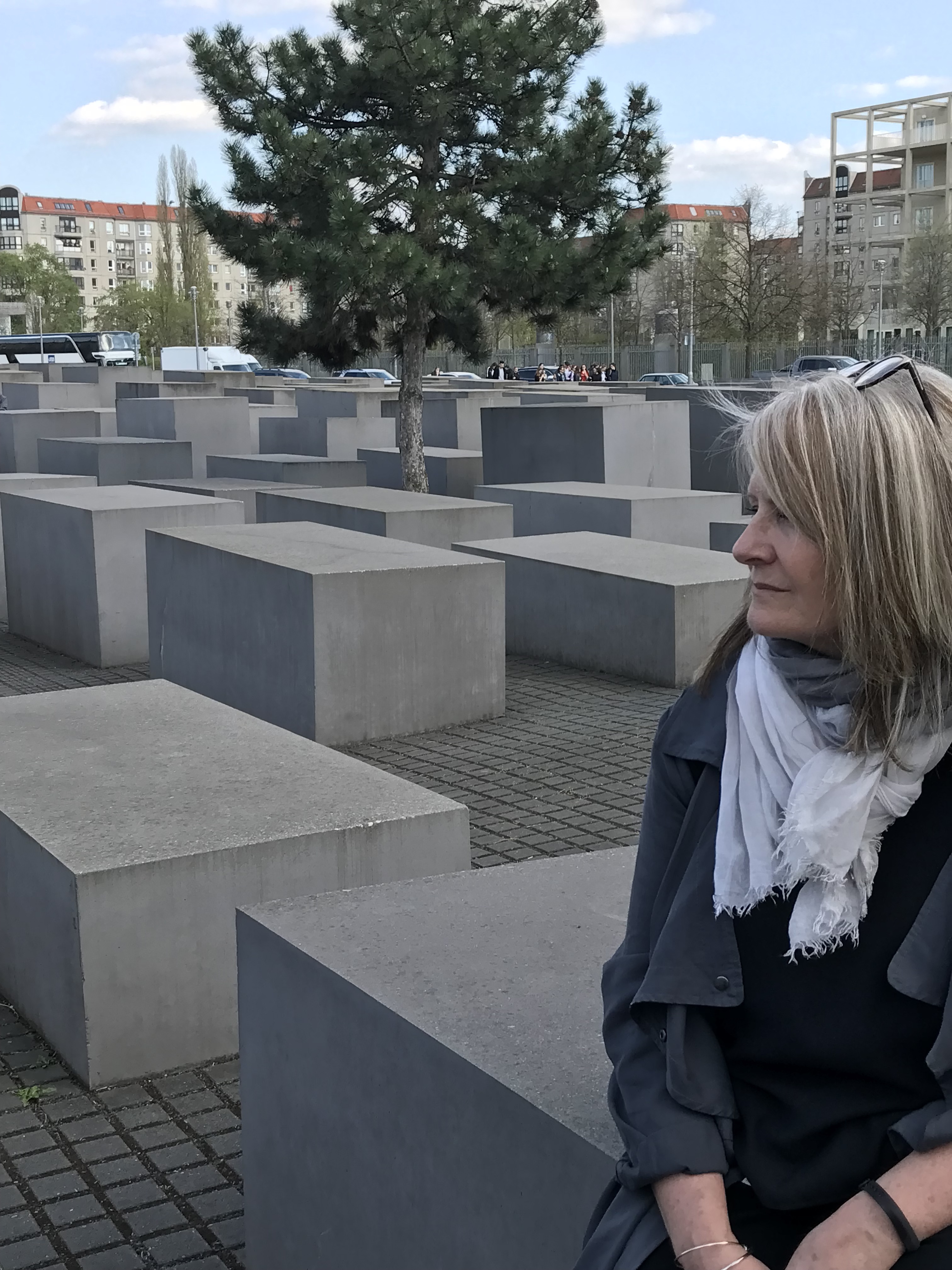
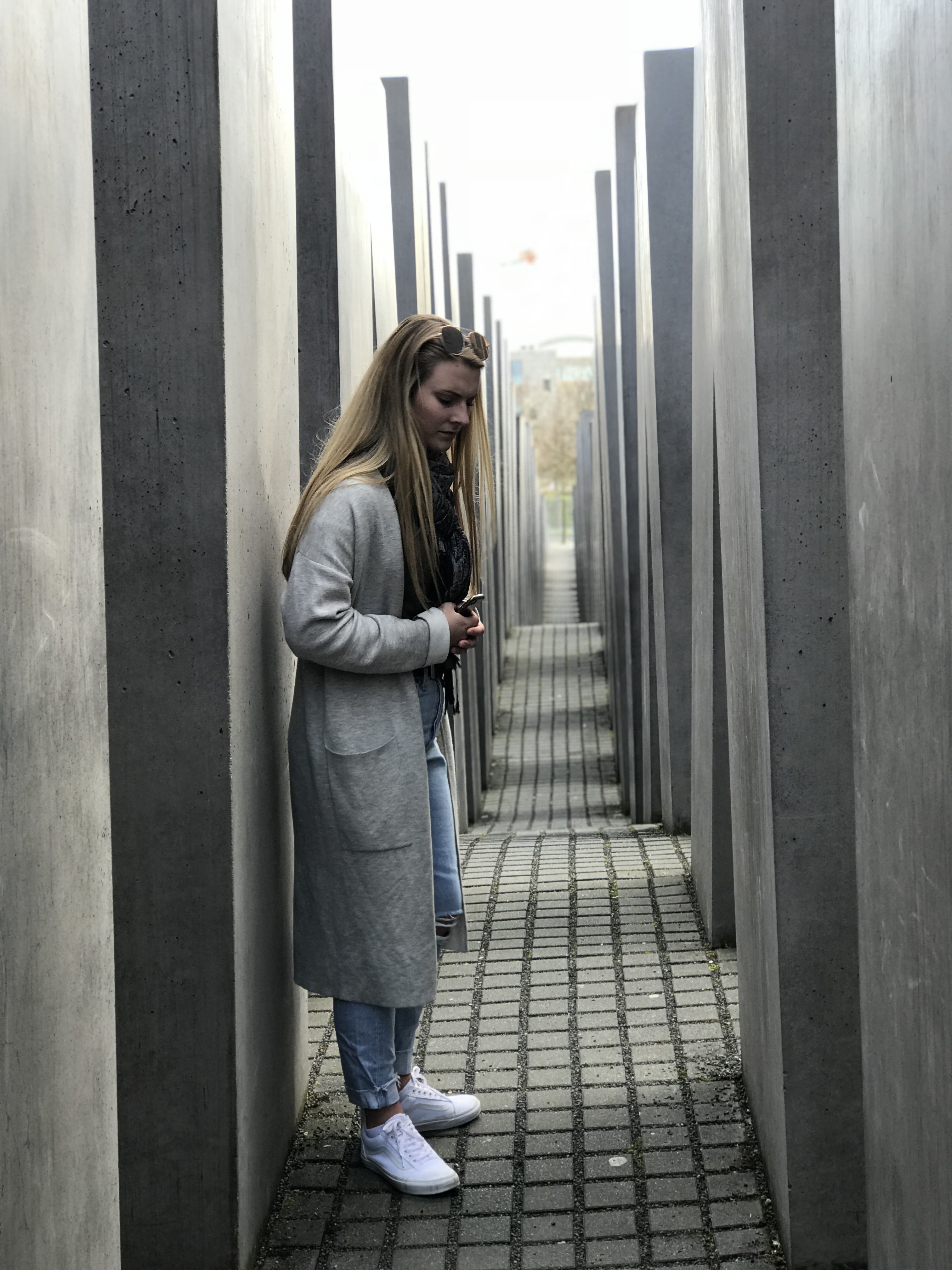
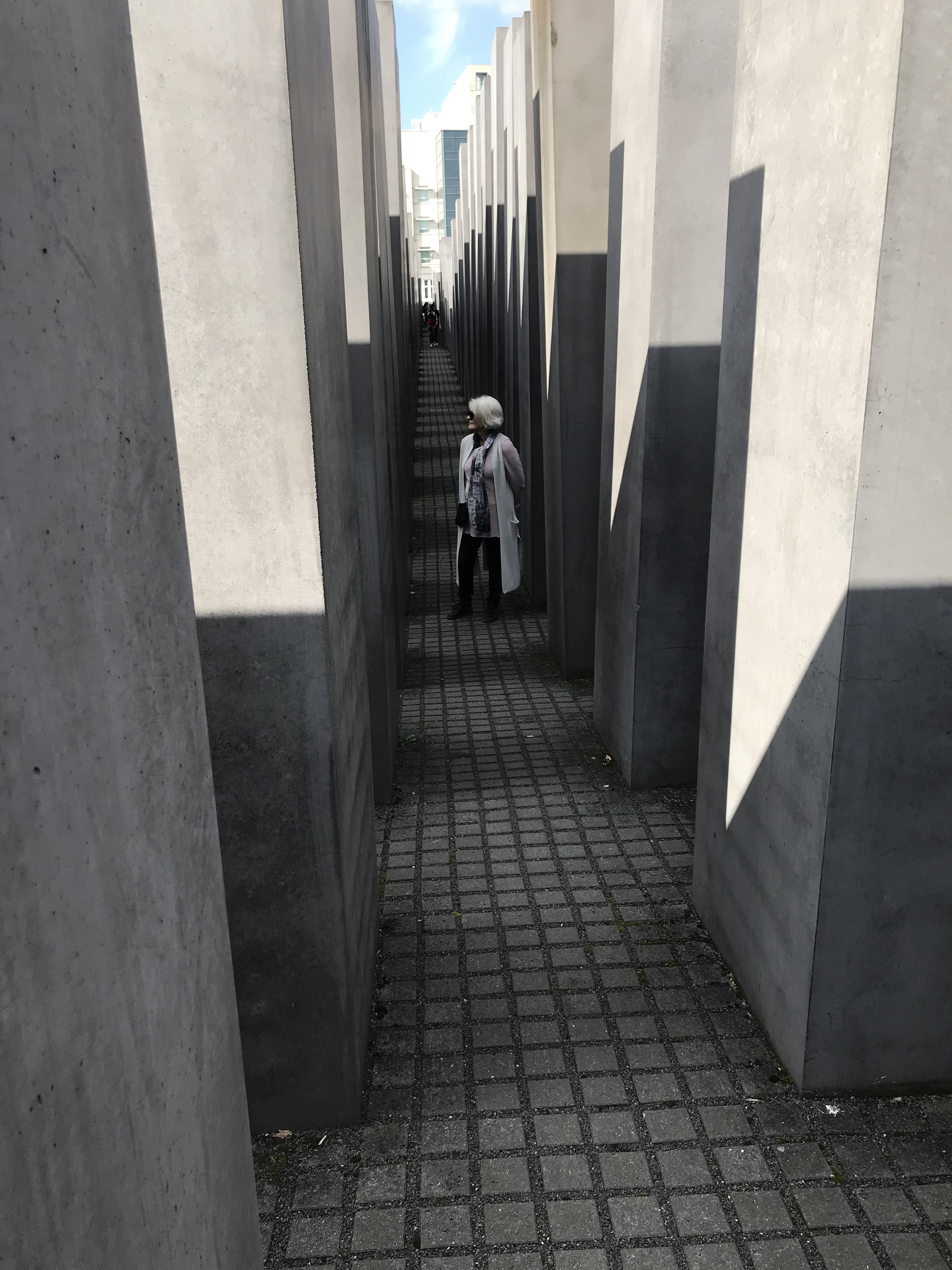
As I had deliberately not done any research prior to my visit, the initial impact of the memorial was both sombre and visceral. Located centrally in Berlin near the Brandenburger Tor and the Tiergarten, on a large block, the site is covered by over 2700 concrete slabs ( stelae) in a grid pattern.


The stelae are each almost 8 by 3 feet and vary in height. In rows with enough room for a person to walk between them they are laid out on the rising and falling ground. Were they meant to be coffins, a cemetery? As we walked along the alleyways between the stelae we would disappear as the ground dipped or as we turned a corner, or changed direction. Eerie, grave, sobering, my mind was filled with thoughts of how Jewish families disappeared, gone–removed from the streets of Europe. 6 million Jews. The sun would appear and disappear….light, dark, light, dark. It was confusing, troubling, and overwhelmingly isolating.

The installation was designed by Peter Eisenman. While he said that the memorial has no specific meaning, that it represents a radical approach, leaving room for personal interpretation, my friends and I experienced similar feelings. Wolfgang Thiers a President of Germany’s parliament described the piece as a place where people can grasp ‘what loneliness, powerless and despair mean’.

fullsizeoutput_8fa2


wWnRAJmcR5WvwpKGqnVOPQ

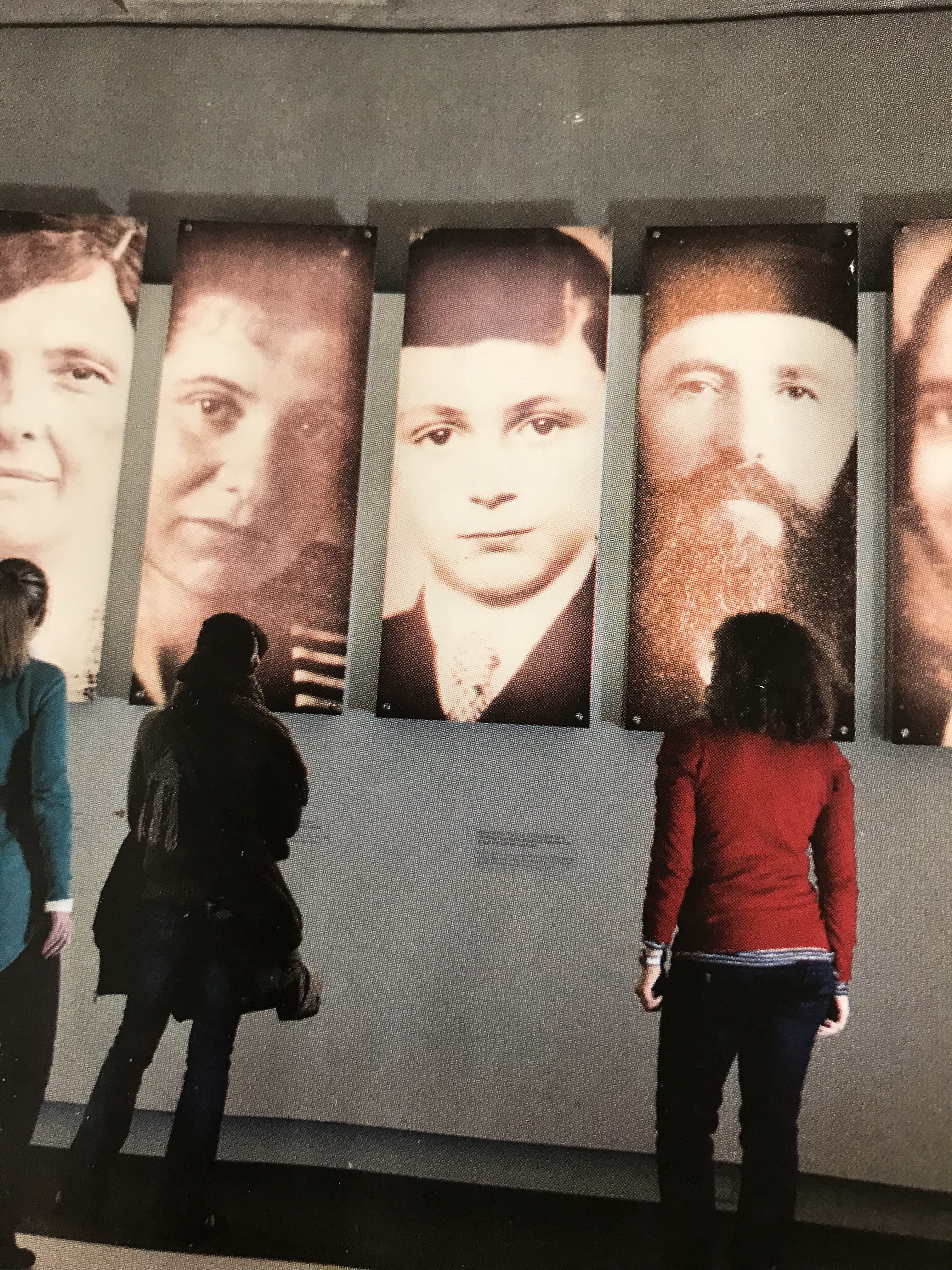
At one end of the site is the information centre.  The exhibition is remarkable! Incredibly moving and superbly curated. Through a series of rooms you discover the timeline and history of the Final Solution, you are given insights on how Hitler’s policies impacted 15 specific Jewish families, you hear read out load the names of the victims in the Room of Names, and you are introduced to the scale and terror of the death camps. The rooms were a deep contrast to the stellae site above. One did not need to imagine. Visual reminders, pictures, documents, letters, postcards, testimony and recorded memory of survivors. It is real, detailed, close and very personal. Each of the four room tells the story in a very concise and deliberate way.

O2TReM1CTi6Lrya+ONMEEA

It was hard to find words to describe our experience when we left the memorial.


As days have passed and I have reflected and researched, I think if you had time for only one thing in Berlin, visit this memorial.

It honours the Jewish people.

It speaks to how Germany has wrestled with its schwer history.

It prompts discussion and reflection on how we govern and are governed.

It is timely. It is what we need as a reminder of the outcomes of hate and prejudice.

qPKT5uXkQDyUAYfFiI3hug


For my month in Berlin I had a lovely Airbnb 2 bedroom flat in Pretzlauer Berg. My friend Mercedeh Sanati always steers me to the best neighborhood to live in when I chose my country and destination city. Mercedeh is a world traveler of distinction and co-owner of Quench Trip Design so she knows what she is about!! (check them out at  http://www.quenchtravel.com ).

This year’s recommendation was spot on!!! My flat was delightful.. a lovely 2 bedroom groundfloor flat with a personal garden in an inner courtyard

xusZeKguQXyY8a6WW0hPEw


Pretzlauer Berg was the place to be in Berlin. Tree lined streets, colorful boutiques, grand old apartment blocks, cafes and restaurants on every street corner making it an incredible neighborhood to live in. It is in former East Berlin, and became the hot new place to live after the wall came down (initially due to rent control and now after considerable gentrification, because it is a hip trendy place to hang out).

Even if you can’t live in Pretzlauer Berg for a month, do visit on your next trip to Berlin. The weekends and evenings are particularly lively. Check out this neighborhood on the  Going local in Berlin app I recommended earlier https://www.visitberlin.de/en/going-local-berlin

Some of my favorite places in Pretzlauer Berg included…..

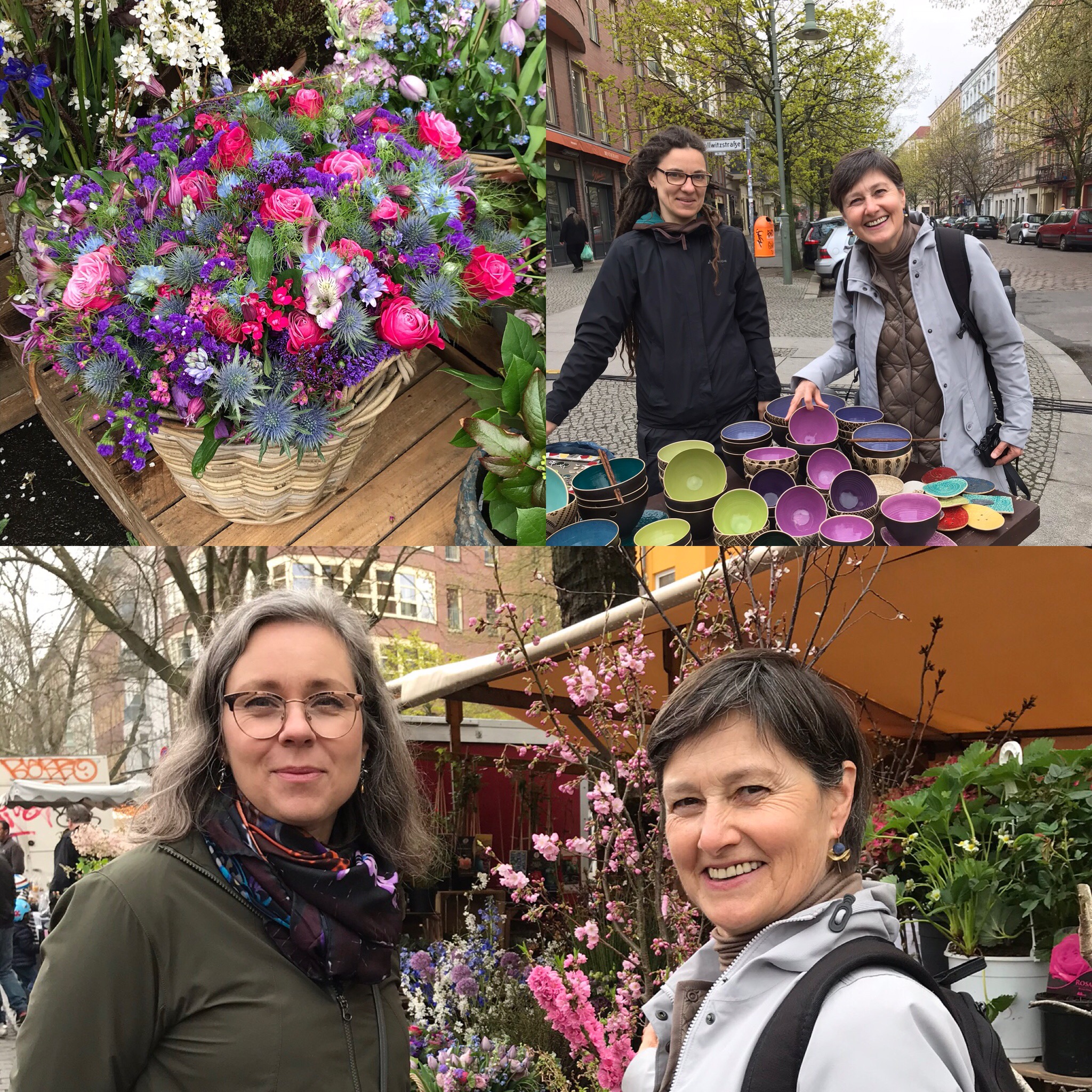
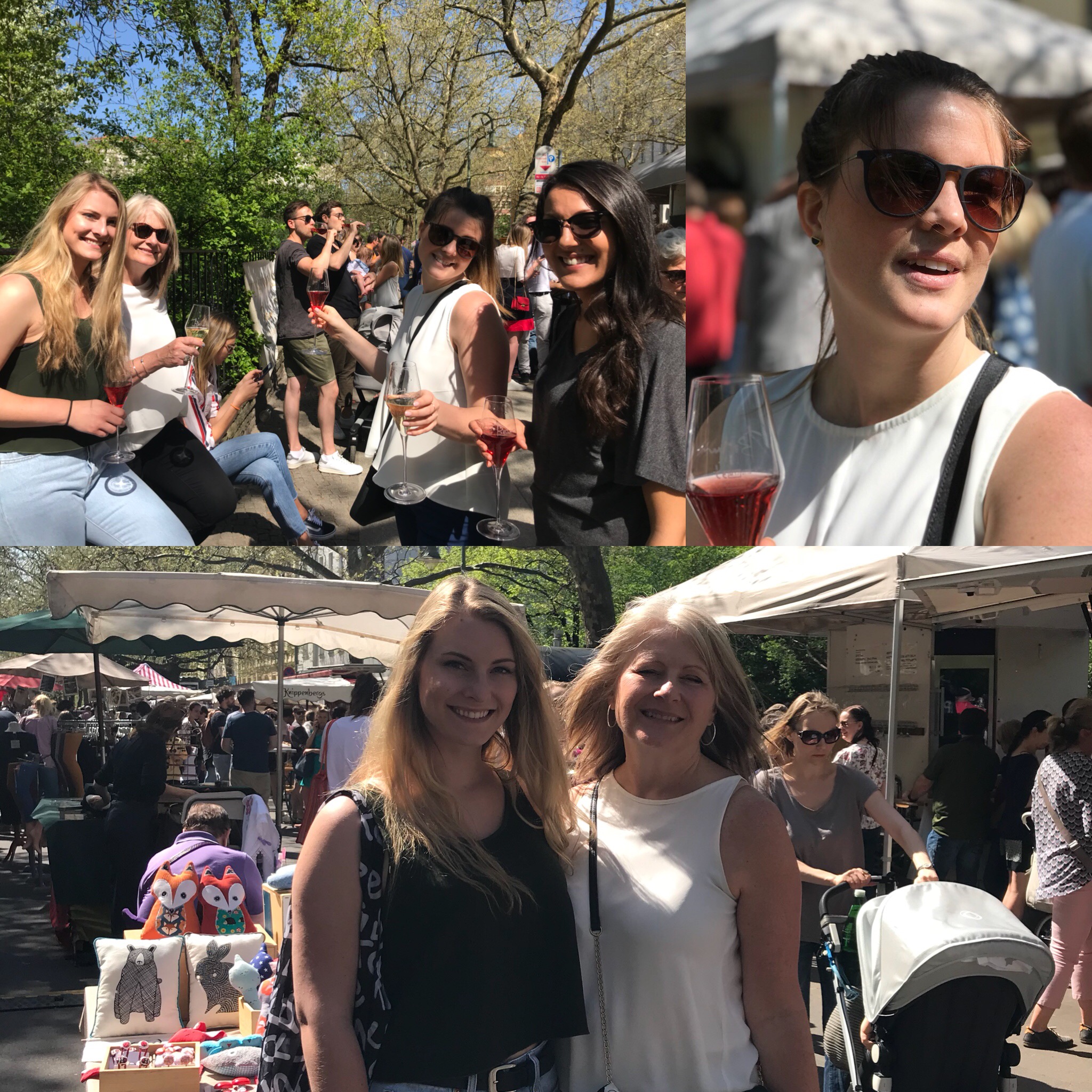
Kollwitzplatz hosts a market every Saturday. Great place to indulge your tastes, whether beer, wine, gin or great street food. Your eyes meanwhile will feast on flowers, colorful stalls of fruit and vegetables and great local products.

D5429104-58A9-48B1-8AD8-D7FBE9E9519B197576D7-178C-4128-8793-FB10E42B0EB8

In Europe,  markets provide prosecco and wine at the Saturday market. Why can’t we have this attitude in Canada???

On Thursdays the same square hosts a slightly smaller version, but with especially great market food stalls.

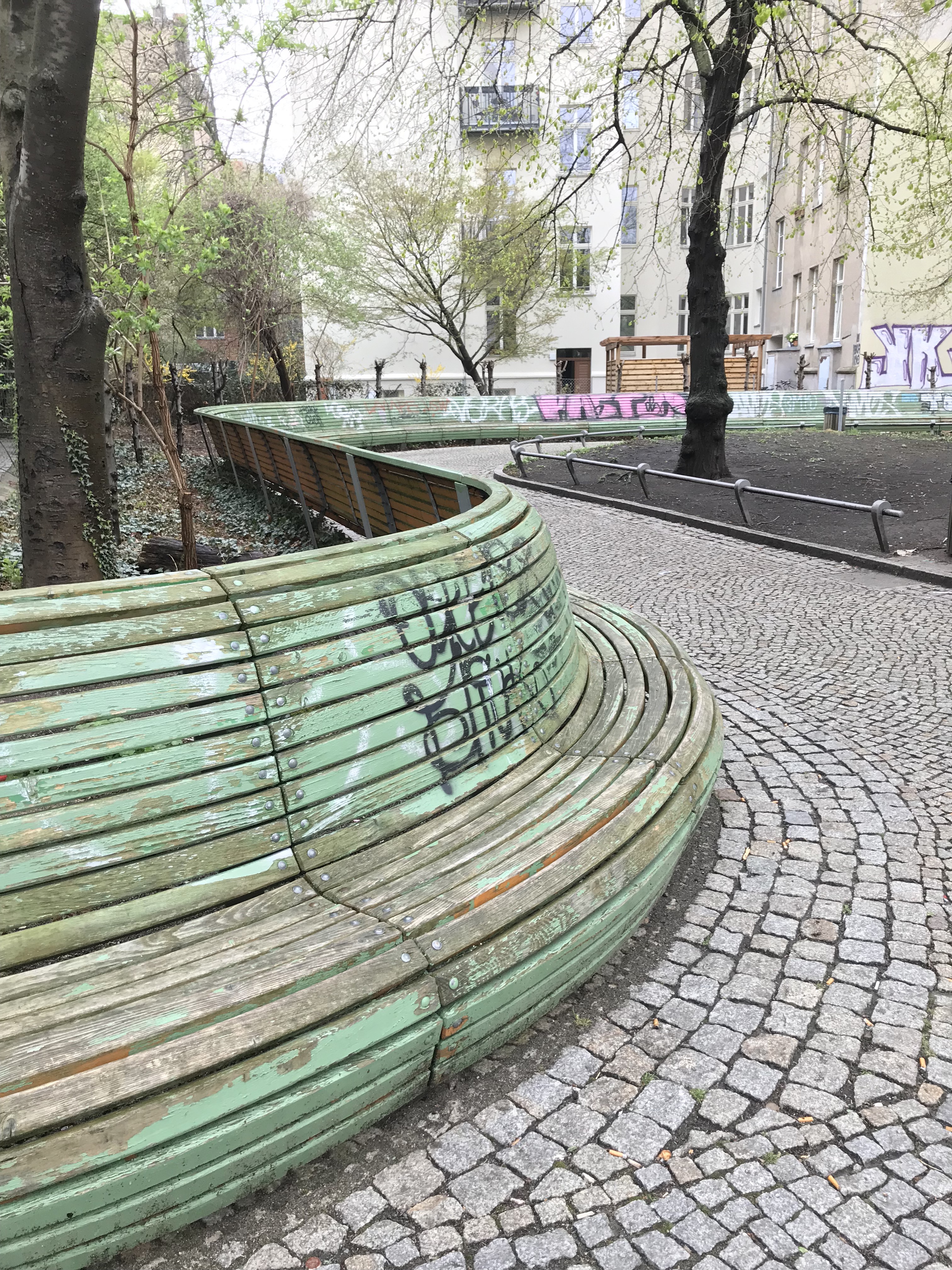
Musicians on the street corner of the market entertain as you sit along the longest bench in Germany.Q%k+39nURXOo3ZVy5jfxxA


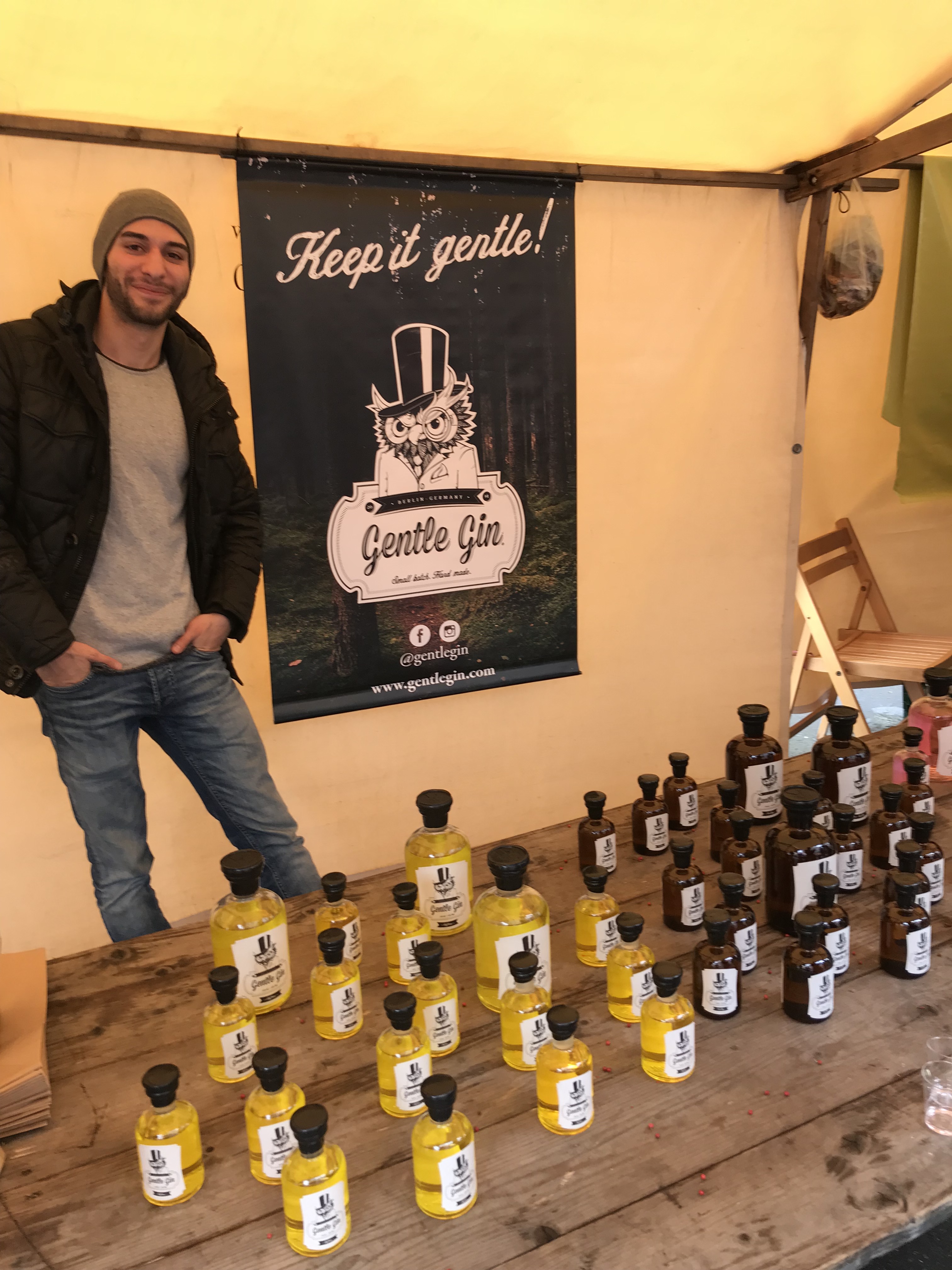
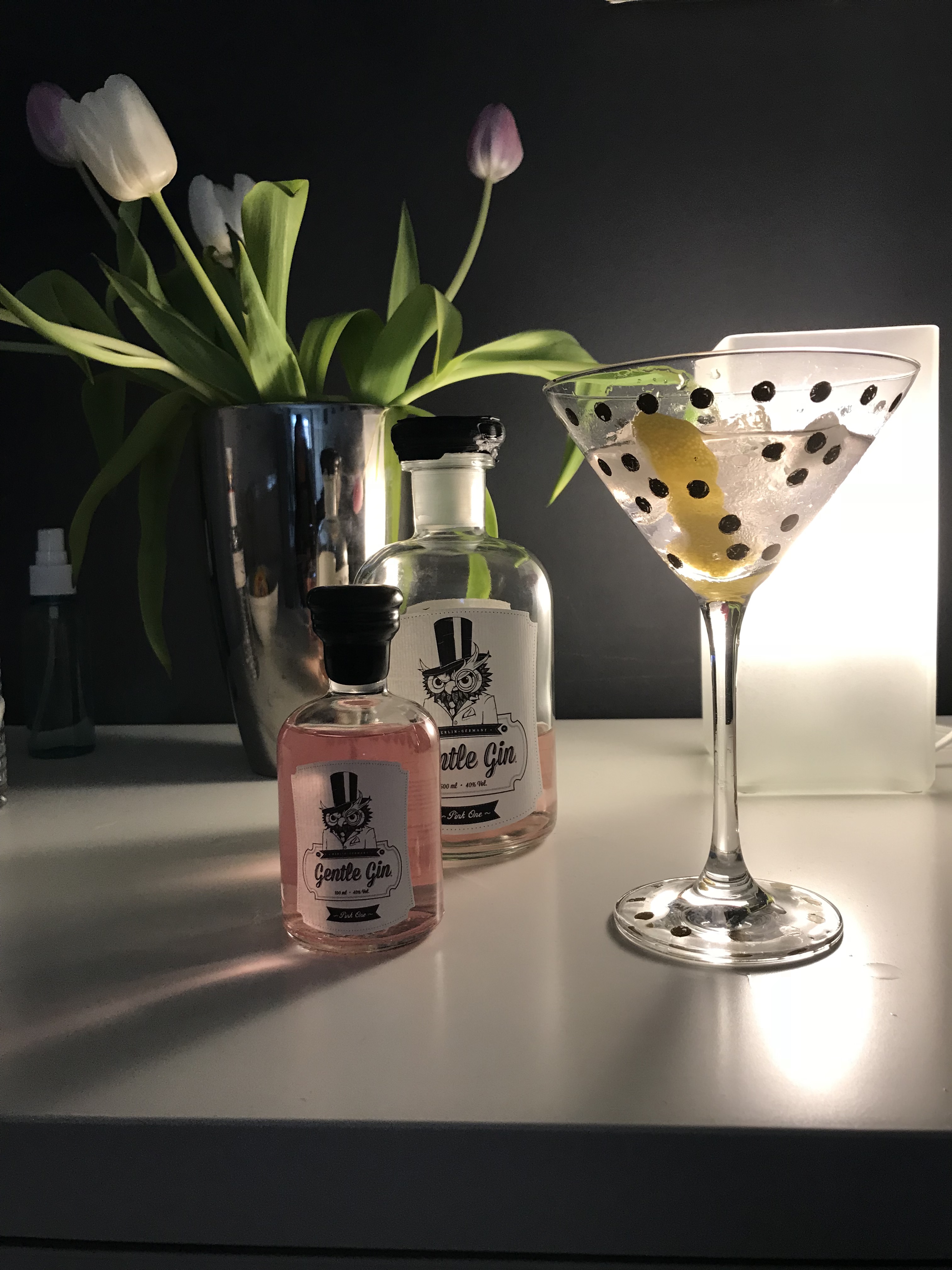
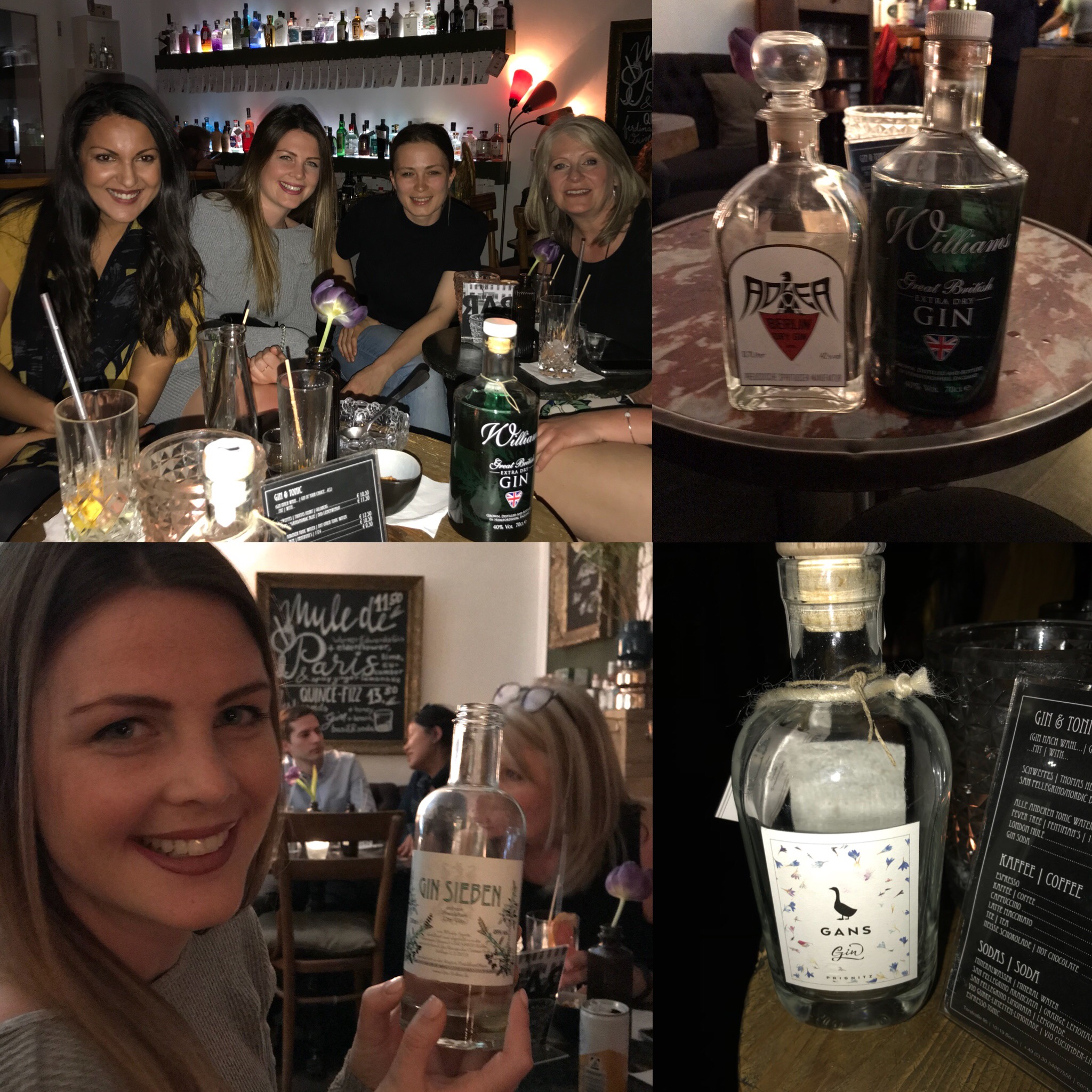
W9LSnwTzTr27UhUZe1CJrQ.jpgNeedless to say, we found a local gin being sold at the market and of course we had to taste it. And of course I added it to my gin collection

BlGqBe+EQwamtJ67dPsoTw


IMG_7904

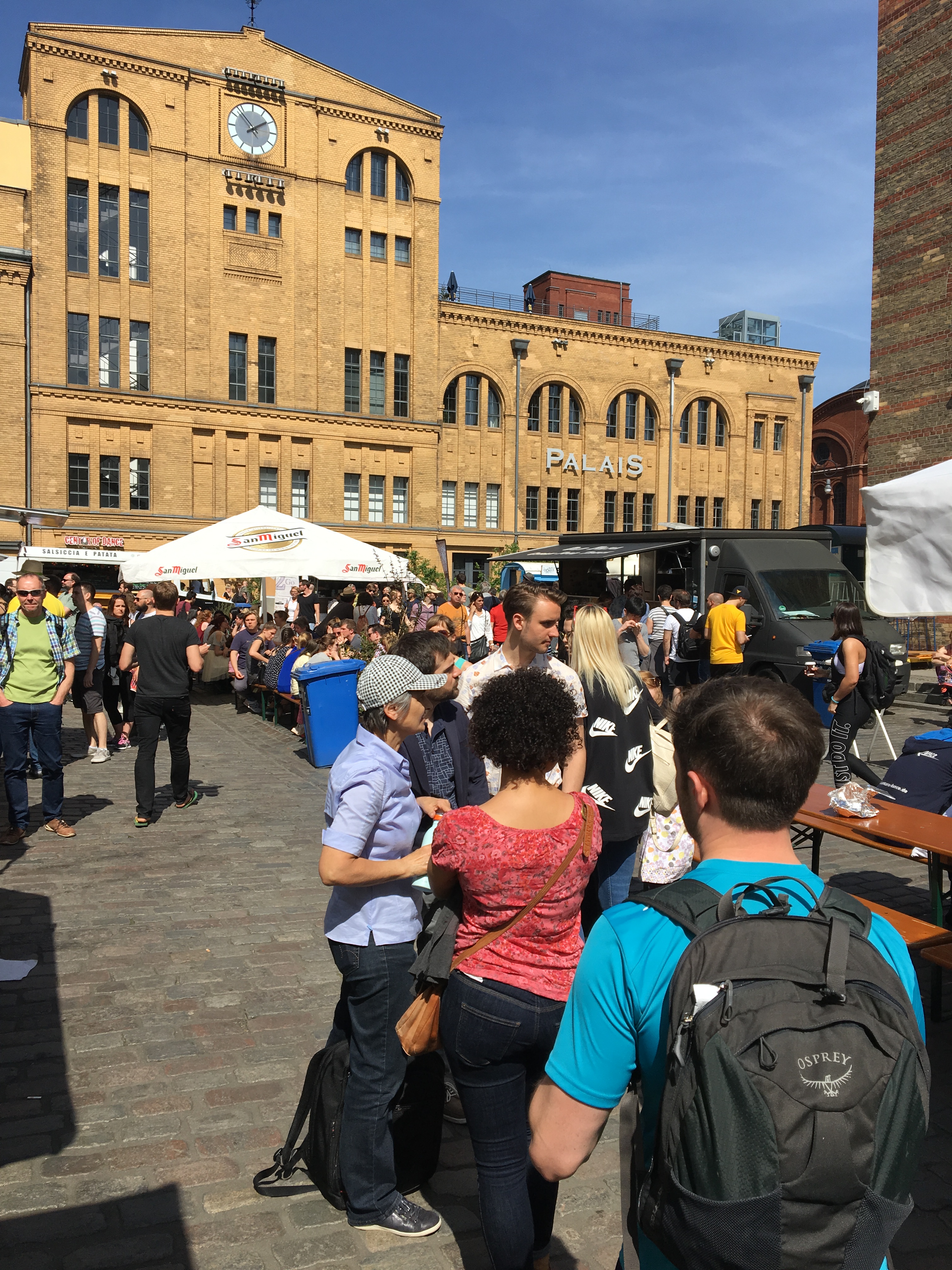
On Sundays, the old brewery, now the Kulturbrauerei, hosts a street food market.. great food, some we’d never tried before.


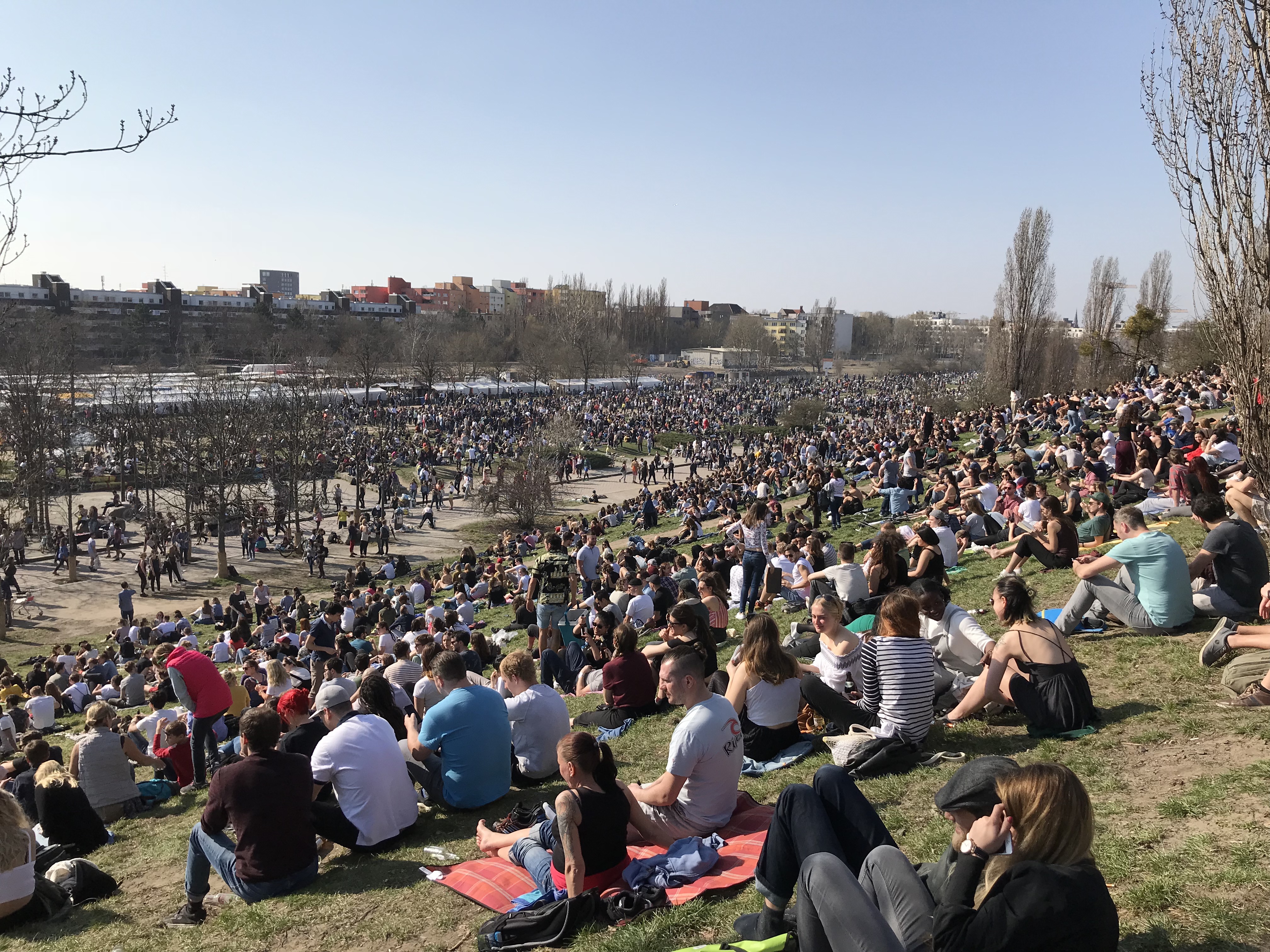
On Sundays further down the road at Mauerpark, you, and it seems every Berliner in the city will be out dancing, singing, picnicking, playing basketball or games…just hanging out soaking in the sun.

enBOD3gZQ+KlyXzJQJLgVw

The musicians and street graffiti artists are here in full force –I have come to have a significant appreciation for their art.

Don’t expect a lush green park…this is a gritty city space, jammed full with people, food market stalls and flea market offerings. Berlin on the whole doesn’t come across as ‘parklike’…it has an edge to it, gritty, graffiti filled, energetic and lively.


Pretzlauer Berg is also the home to some of the most attractive shops and boutiques. They sell lovely stuff, in particular for the home and children (Pretzlauer is home to many young families—lots of children in the park and strollers during the day). I loved the effort shop owners put into displaying their wares in the shops…incredibly attractive.


I also found some rather novel stores. Direkt von Fass was one. Bring a bottle and chose your oil, vinegar, liquor, or wine direct from the tap.

But the one that really got my attention was called the Kochhaus.  Now there’s a potential business for an urban entrepreneur. The attached pictures depict what this store is all about. The store has stations of ‘ingredients’ plus ‘recipes’. You chose the meal you would like to cook that night and then pick up just the right number of ingredients for just that meal.. not a bag of potatoes but just 2 potatoes.. how cool is that.


On many evenings we would head out for a meal. Every night from Monday through Sunday we found a lively patio-based café atmosphere. There is so much choice in this neighborhood!!! And we found almost all of it incredibly tasty!!! In fact, there was not a meal we were disappointed in!

Prices were incredibly reasonable and the portions large. We soon figured out one appetizer and one main was always enough for two…  Wine and beer …lots and again well priced, local and delicious.

Although as I said, it was hard to go wrong with food destinations, I am including here a couple we dined in and liked in addition to the markets mentioned above.

Ars Vini – great fondue ( cheese, meat, fish, field and meadow) www.arsvini.de

Café November –tasty typical german kitchen, nice bar www.cafe-november.de

Café Anna Blume—lovely patio, great brunch www.cafe-anna-blume.de

Sowohlalsauch – great lunch and coffee place www.tortenkuchen.de

ABC Allan’s Breakfast Club and Wine bar-–needless to say great brunch  Rykestrasse 13

A great Vietnamese restaurant right on the plaza where the water tower is…

Lots of good simple Italian as well. As you can see we enjoyed!!

My favourite restaurant in Berlin was in Mitte ( kieze/neighborhood bordering Pretzlauer.

fullsizeoutput_927c


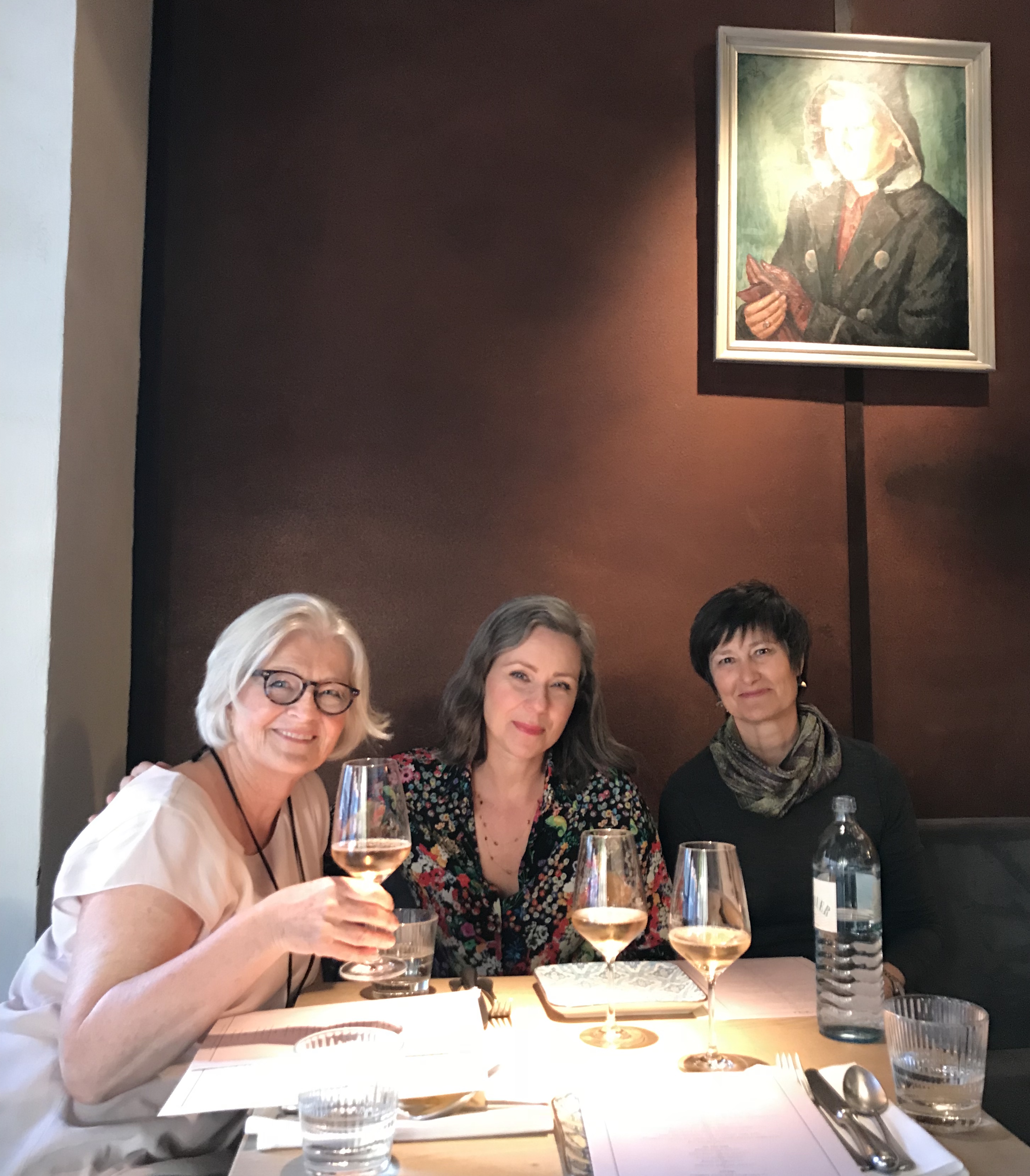
PeterPaul  was several steps up from the  local cafes mentioned above. Recommended by Stephen  and friends we experienced a real treat here. It serves traditional german dishes in a new tapas style. The food was outstanding and the décor very classy. Try it out for a special meal. I managed to find a way to take all my guests there and none were disappointed.
www.peterpaul.berlin

Torstrasse 99

In addition there is a great gin bar a few shops east of Peterpaul where we enjoyed some great gin cocktails… a great night out. Check it out at www.botanical-affairs.com

8246FACB-4925-438E-BABD-99459B2297B4

Hoping you enjoyed the stroll through Prenzlauer Berg!!!


E2ZKkKbARsyXJ7evUAksXg

The Memorial to the Berlin Wall is situated in the western part of Berlin. While the centrally located Checkpoint Charlie has become a kitschy over the top tourist site, the Memorial has been thoughtfully designed and delivered.

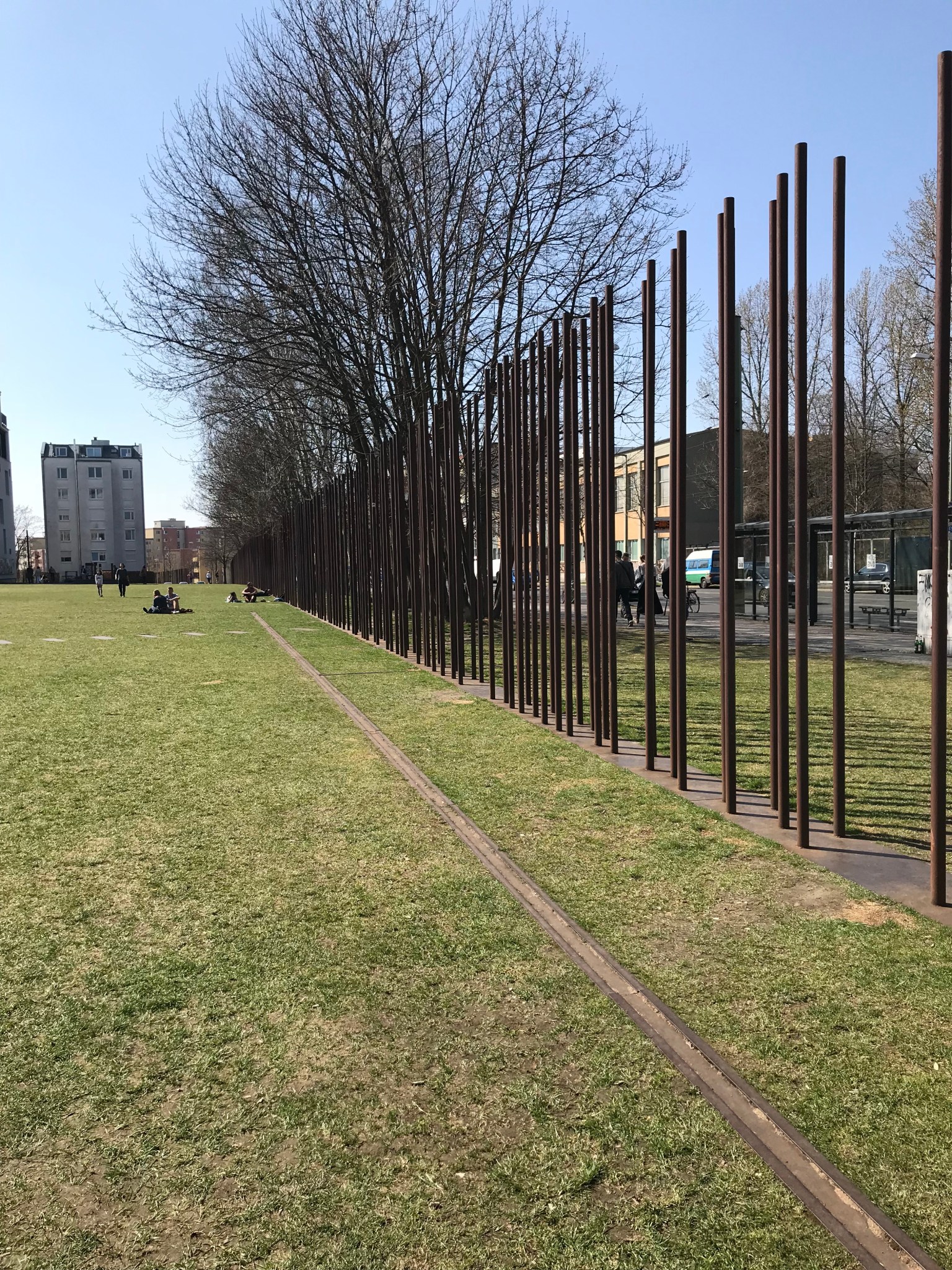
My first view of the Berlin Wall Memorial occurred on my first day in Berlin as I was taxiing to my Airbnb apartment. I noticed an interesting wall of tall steel posts that stretched along the road. Almost immediately I sensed I was looking at the former wall. This section of the wall is very close to my apartment and so the next day I took a walk.

While there are two buildings to visit if you wish (the Visitor Centrum and the Berlin Wall documentation Centre), I found the best way to experience the Memorial is to simply walk the exhibit. It stretches for about 8 blocks.

As you walk the wall you see that ‘die Berliner Mauer’ cut right through a living, breathing neighborhood.

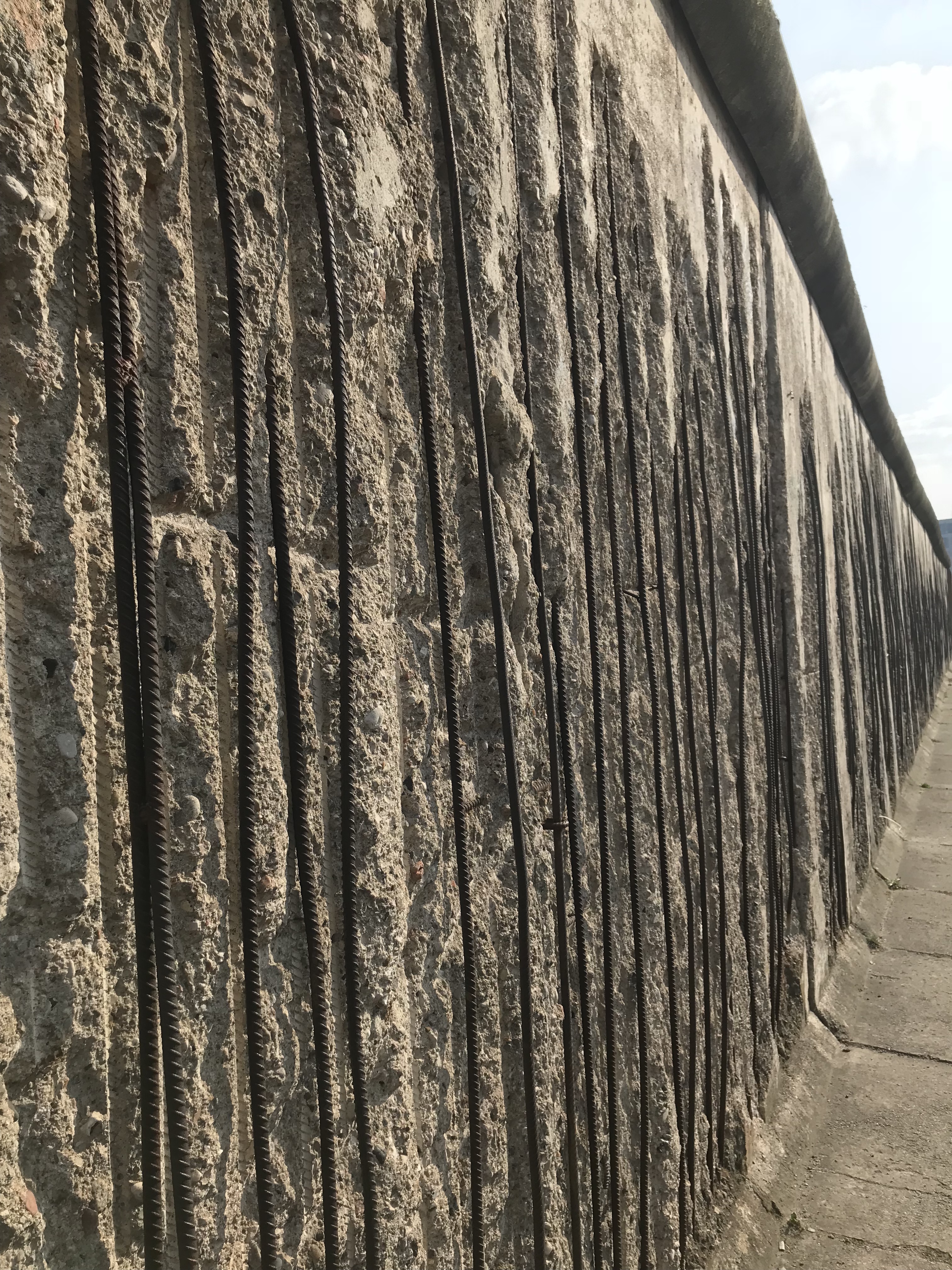
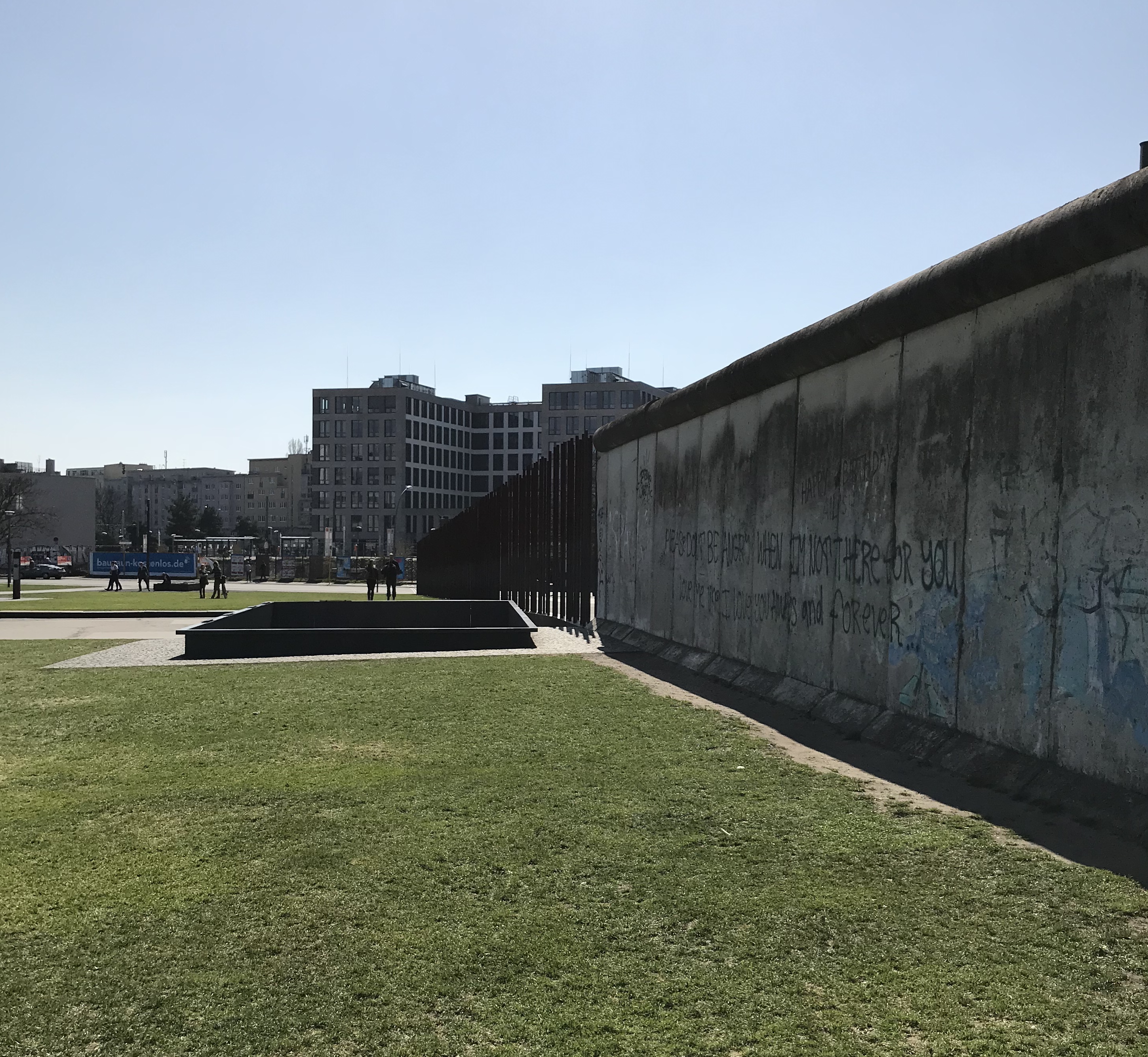
The installation is a very thoughtful and thorough representation of the wall, its physical, emotional and psychic impact on a divided Berlin. The line of steel posts as well as a surviving intact portion of the ‘wall system’ deliver a punch as you consider how it divided a former neighborhood.

As you walk the wall path, you find other posts—they contain photos, written documents, and recordings which provide actual stories of those who lived in the area during the 60s-80s, how the wall was built, how the wall fell, the timeline and details of the ‘wall system’, the attempted escapes over the wall as well us through underground tunnels.

3sUIf4n9SIu5Pjs6HX5jow

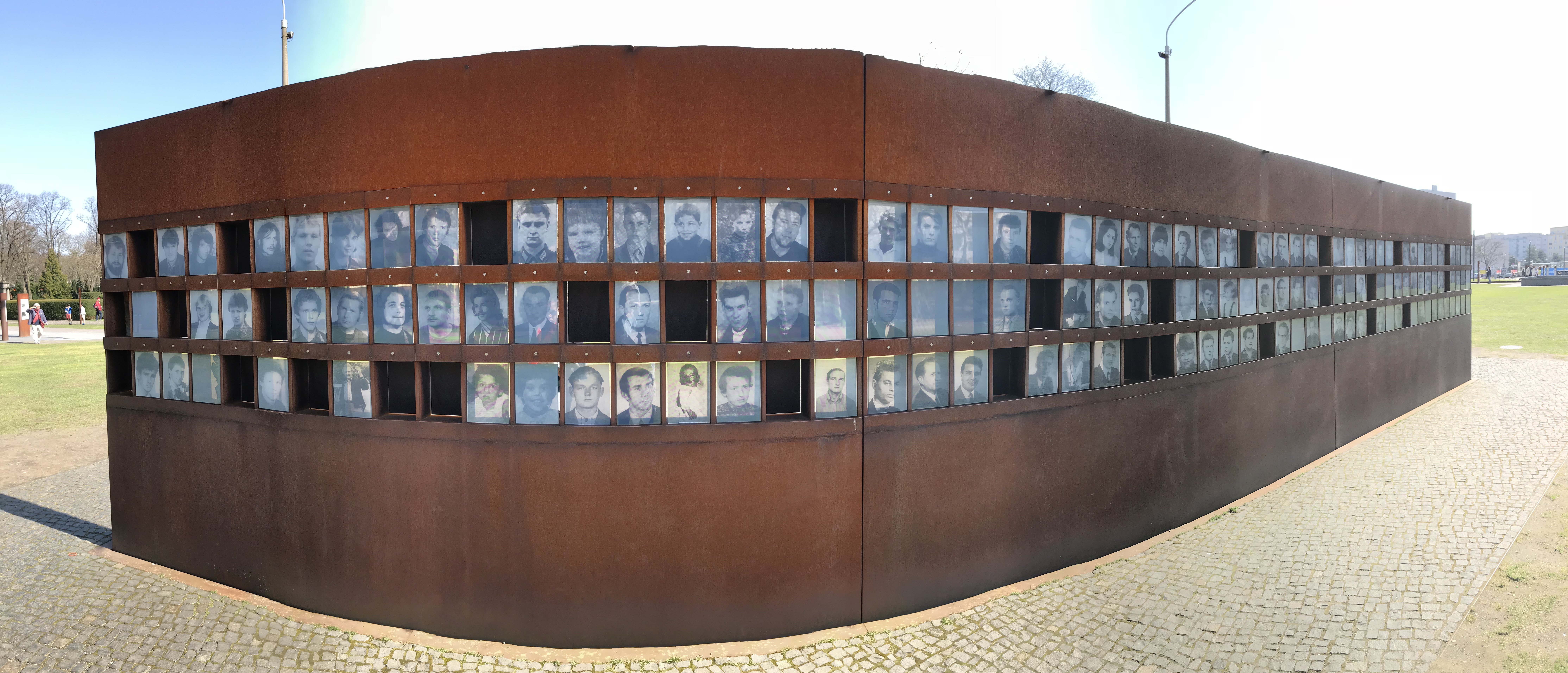
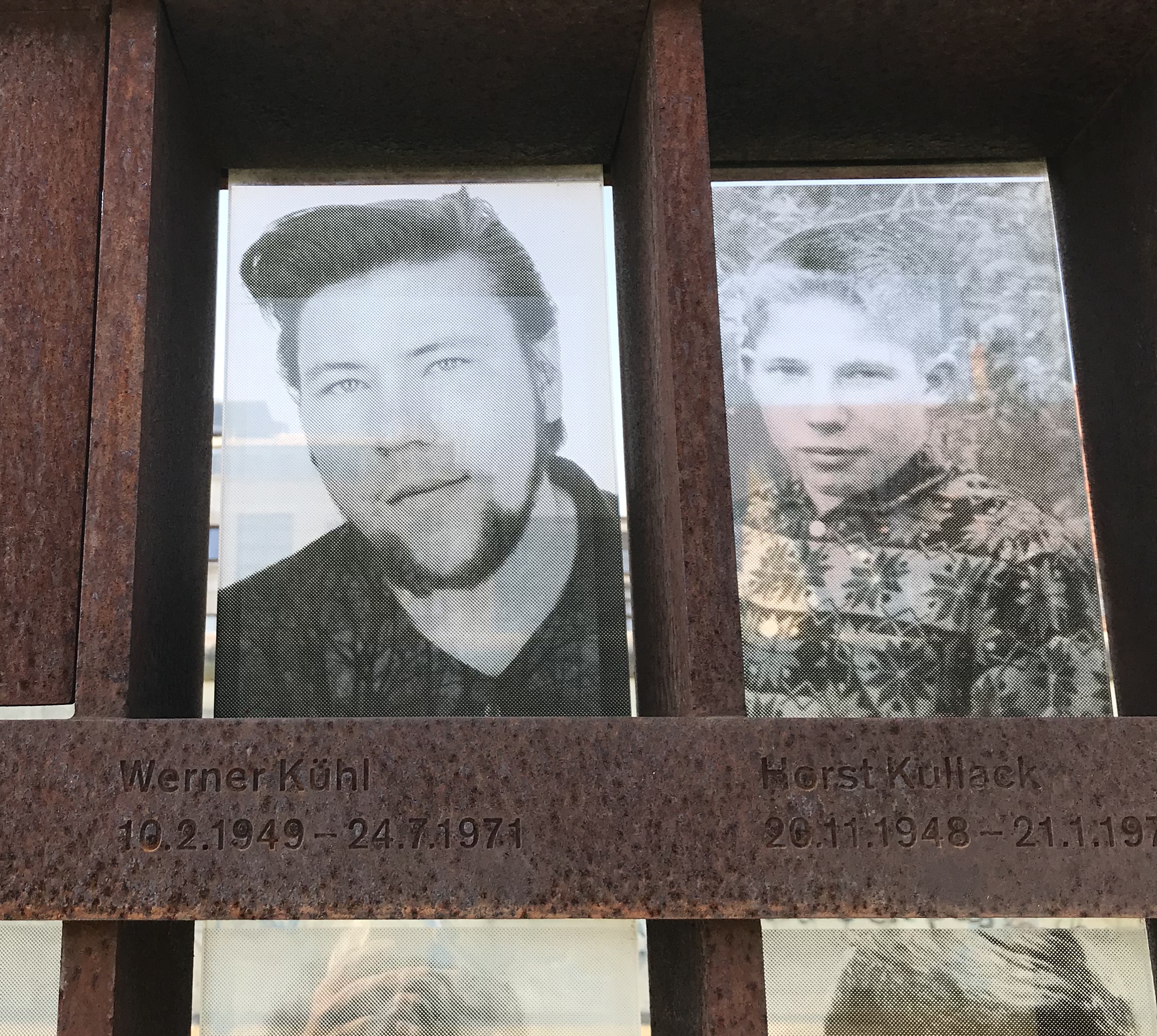
The Window of Remembrance monument presents those who lost their lives in attempting to escape from East Berlin. The black and white photos, the dates of their birth and the date of their deaths at the wall hit hard. While there I found a picture of a young man Werner Kuhl ( the one on the left below), born within a year of my birth, who attempted to escape the year that I visited in 1971.  Hard to grasp that the wall took his future.

fullsizeoutput_9092

The first defector to escape across the Berlin Wall was 19-year-old East German border guard Corporal Conrad Schumann, who was immortalized on film as he leapt over a 3-foot-high roll of barbed wire just two days after East Germany sealed the border. At that time, a simple roll of barbed wire had been erected..he simply pushed a portion down each time he walked that part of the border on his patrol walk. Signaling to the West German police his intentions, who called the press, he eventually jumped and made his escape.

fullsizeoutput_9093

His photo is memorialized on the wall of the building along the ‘mauer’ walk.

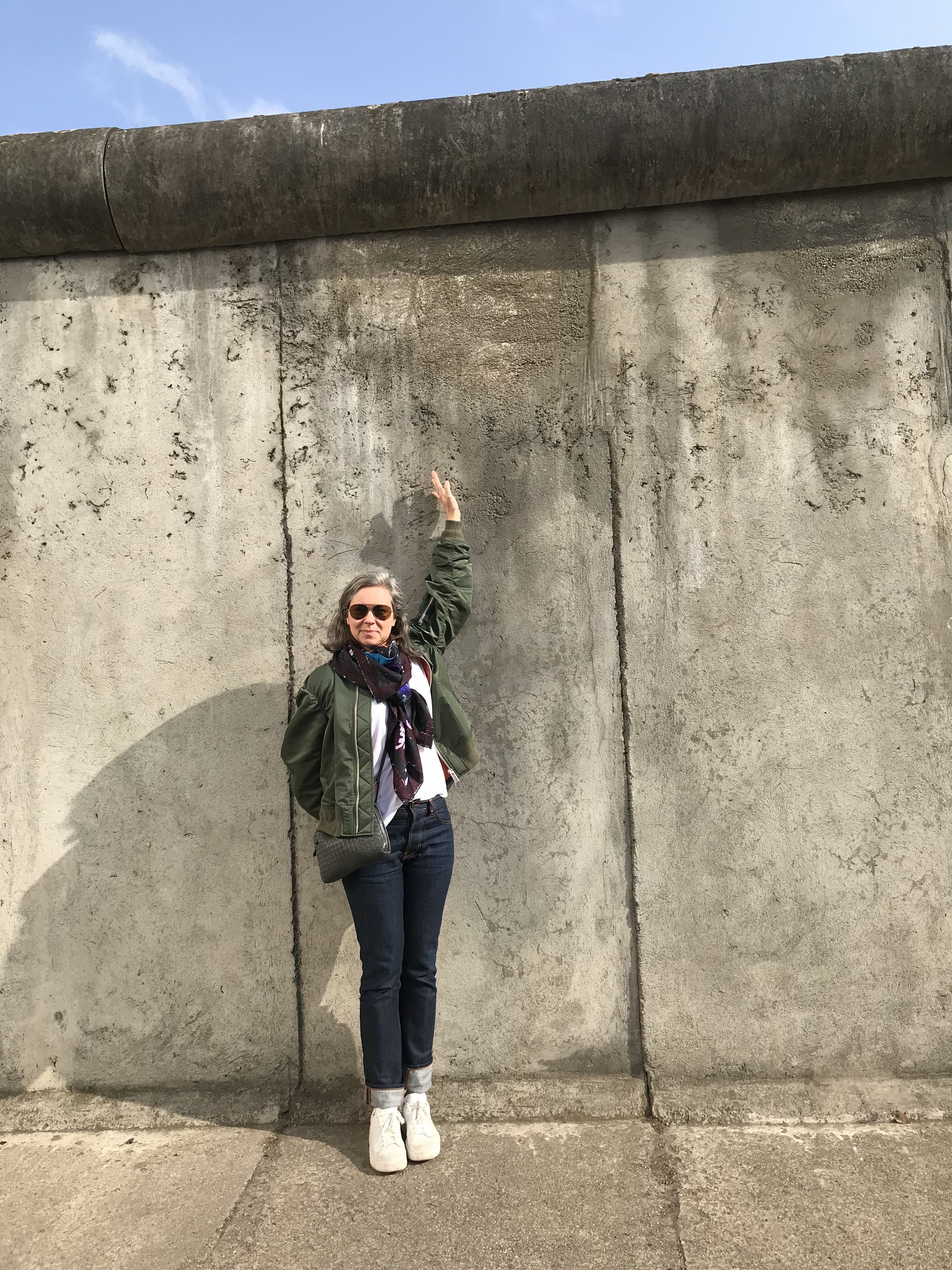
Over time considerable additional barriers were erected by East Berlin border patrol to stop the flow of East Berliners fleeing to the West.  Eventually, s 12-foot-tall, 4-foot-wide mass of reinforced concrete was topped with an enormous pipe that made climbing over nearly impossible.

ry4fg9KhSKml5nH0szc4Rw

Behind the wall on the East German side was a so-called “Death Strip”: a gauntlet of soft sand (to show footprints), floodlights, vicious guard dogs, trip-wire machine guns, anti-vehicle trenches and patrolling soldiers with orders to shoot escapees on sight. The Mauer Walk provides a real insight into the size of the strip and difficulties it presented to escapees.

0u04vuzFTtatu5TSxNlaggGyVs2LLQT0er2qN7IwBXig

At least 138 people died trying to cross the border. While some did make it safely across, it is unclear how many people exactly reached the western part. Some estimates claim that 5,000 East Germans reached West Berlin. Many of these occurred early on in the mass escapes.

The first victim was Ida Siekmann, who died on August 22, 1961, after attempting to leap to a West Berlin street below her fourth-floor East Berlin apartment window.  Others who did leap out of buildings were caught by West Berlin fireman. The last fatality occurred in March 1989 when a young East German attempting to fly over the wall in a hot air balloon crashed into power lines.

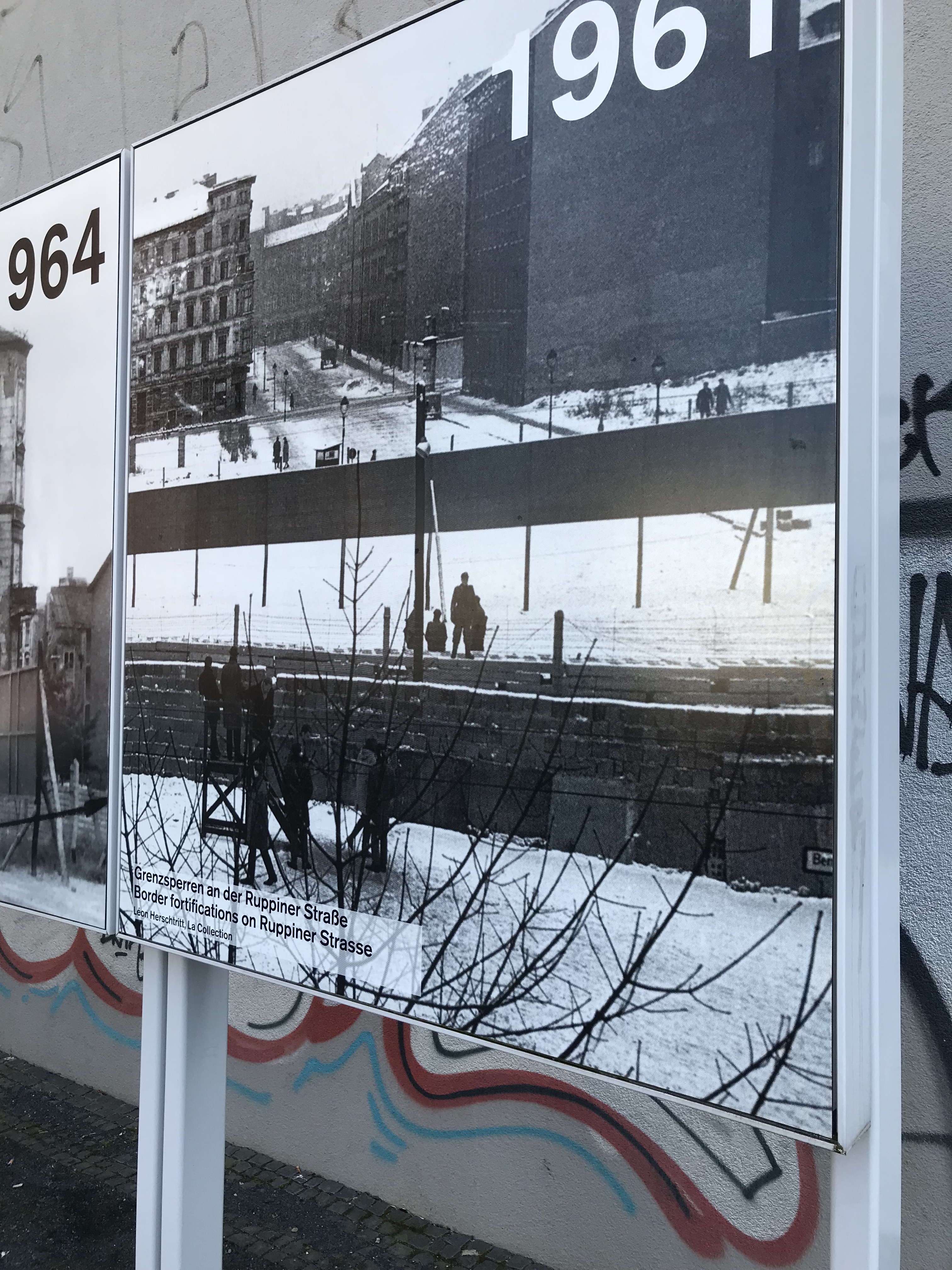
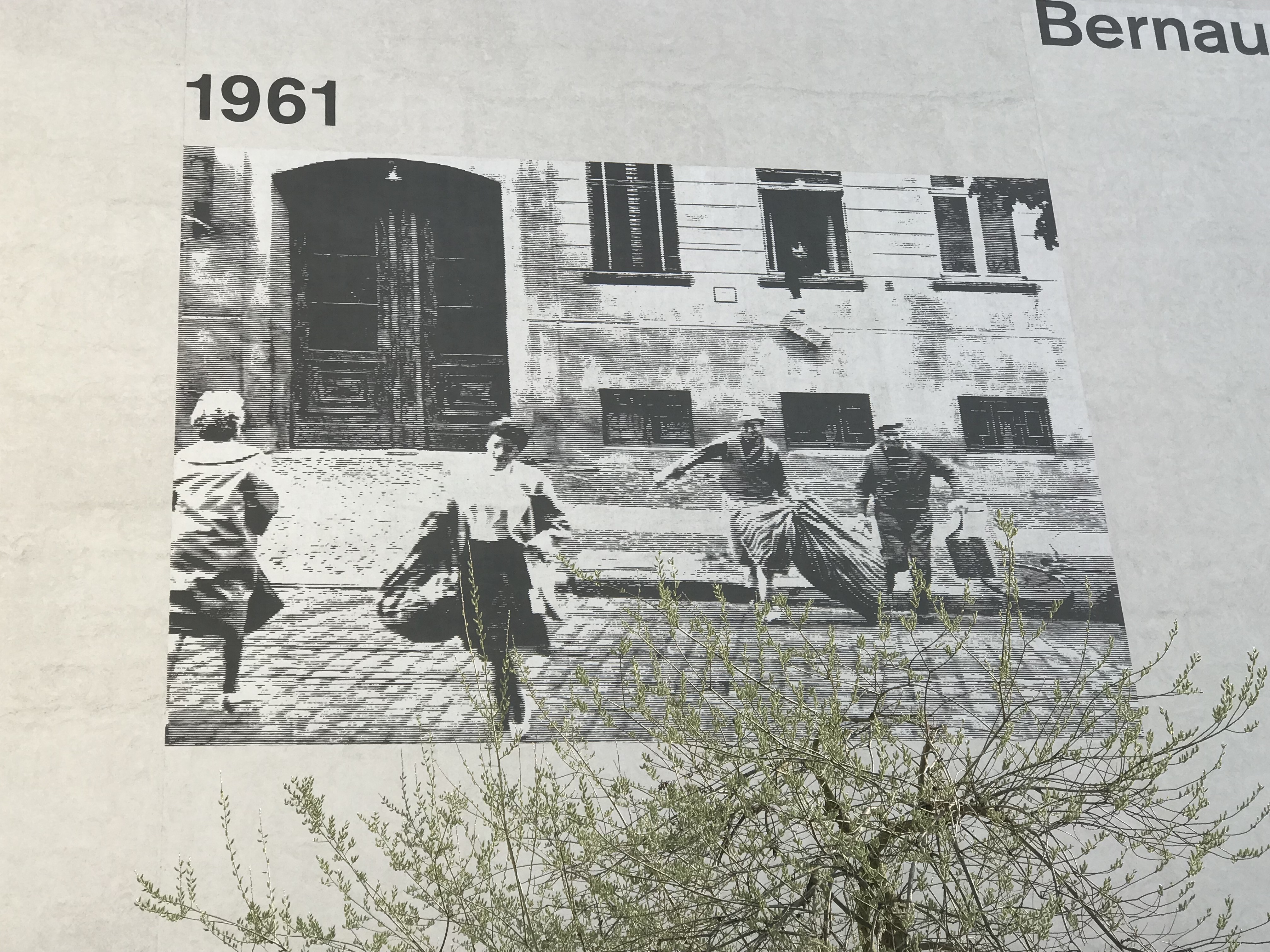
Large photos of escapees, the former wall and the neighborhood on the side of building walls along the path provide a clear depiction of various stages of life during the 28 years the wall separated Berlin.

The picture above on the right, really impacted me. You can clearly  see a mother standing on a chair, holding up her daughter…perhaps you can’t see it but far off in the distance on the right side is an old woman, mother of the woman and granddaughter to the child, waving back. Families separated by a wall and the ‘death strip’. Pictures on the left show other West Berliners, standing on ladders waving to friends and family.

One of the most impactful memorials, deals with the effect of the wall on those who lived on  Bernauer Strasse. This street, the heart of an urban space, was cut in half by die Berliner Mauer. It separated families, friends, and people from their local shops. On the morning of August 13 1961, neighbors awoke to a barbed wire fence running through their kieze, and many were cut off from streets they always traveled. On Bernauer Strasse the border ran directly in front of their homes. Residents in these buildings initially walked out their front doors to freedom, and after the eastern guards evicted the first floor residents, they jumped out of the 2nd and 3rd stories—some seriously injuring themselves—the first ‘wall’ fatalities occurred here. Overtime, all the residents on the east of the border were evicted, all windows and doors bricked up and eventually they were destroyed . The East Berliners in this area continued their resistance and attempts to escape… they built escape tunnels, they scaled the walls and ran the ‘death strip’. This neighborhood conveyed the lack of alignment between the population and the East German leadership.

In the picture on the left the path of the escape tunnel 57, named for the 57 people who escaped through it. I was surprised at the number of tunnels built yet the lack of success in making this a real way of escape.

The picture on the right shows the foundation of one of the Bernauer Strasse houses that were destroyed after its owners were evicted. The green space beyond had been a row of apartment blocks housing businesses and families.

Not surprisingly, on the night of November 9 ,1989, the first segments of the ‘wall’ were knocked down by the citizens at the crossing between Bernauer and Eberswalder Strasse, creating the first free crossing between East and West Berlin. On that night the head of the East German Communist Party declared that East German citizens could cross the border whenever they pleased. It was expected that an orderly bureaucratic approach to the new access would be developed. This did not happen. On hearing the news, ecstatic crowds swarmed the wall, crossing the borders, taking picks and hammers to the wall. I expect many of those reading this blog may well remember the pictures of the triumphant crowds on the wall in front of the Brandenburger Tor. Over that following weekend more than 2 million people crossed the borders, visiting family, friends and neighborhoods they had not seen for 28 years. Berlin was one awesome street party, united for the first time since 1945!!!

One year later the reunification of East and West Germany occurred. On October 3, 1990 Germany finally became one country again.

fullsizeoutput_8ed5


One of the most significant and impactful events experienced by Berliners was die Berliner Mauer The Berlin Wall. The wall is not a distant memory. It is visible and powerfully striking.

On my first day traveling from the main Berlin train station to my apartment, the journey took me via Bernauer Strasse. I noticed columns of narrow iron posts and what appeared to be green walking paths. I knew almost immediately I was experiencing traces of the Berlin Wall. I knew this would be a path I would spend time to explore.

8ARm6uKWQqCDTk1pNMTxEg


The Berlin Wall appeared overnight on August 13 1961. Berliners woke up to 23 miles of barbed wire strung through Berlin, separating East from West Berlin. Within two weeks a concrete block wall emerged. Overtime additional obstacles continued to be added. In my second post on the wall I will provide a more detailed physical description of the ‘wall’.

It was the most concrete and enduring symbol of the Cold War.

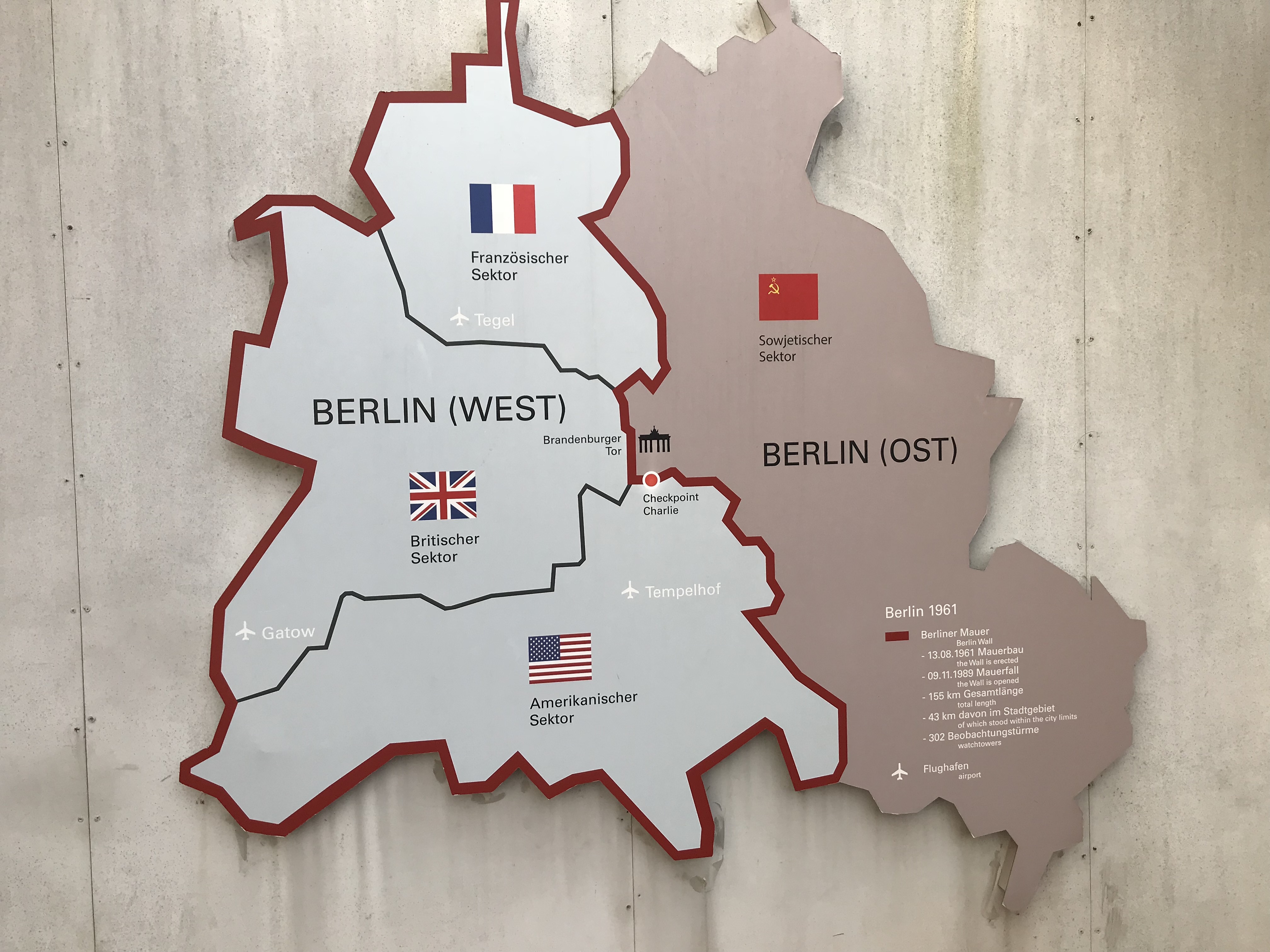
Die Berliner Mauer has its origins in the outcomes of the Potsdam Peace Conference. The victorious Allied forces determined that Germany’s territories should be split into four ‘allied occupation zones’. The Eastern part of Germany went to the Soviet Union and the Western parts to the US, Great Britain and France. Berlin was centrally located in East Germany.

As Berlin was the capital and home to the defeated Hitler, it had particular significance to the allied powers and so it too was divided into 4 sectors,(Soviet, US, British and French) even though the city itself was well into Soviet controlled East Germany. The four way occupation began in 1945.

TyxNnpH2RciA4Jp3YotfPA


With hindsight we might ask “ what were they thinking?” Tensions between the allied forces had existed even during the final days of the war. In the ensuing years tensions continued. Over time West Berlin had become a conspicuously capitalist city deep within communist East Germany. In the years following the formation of East and West Germany, a seemingly endless flow or refuges ( millions, many of them young skilled professions ) moved from the eastern communist sector, the GDR, officially known as the German Democratic Republic  to west Germany  the  Federal Republic of Germany.

 By the 1960s the waves of defections were an embarrassment and economically damaging. Many were existing through Berlin.  In June 1961, some 19,00 people left the GDR through Berlin. In July 30,000 followed. On the 12th of August, 2,400 left– the largest number ever to leave on a single day. On August 13th The GDR erected Die Berliner Mauer.

The wall stood for 28 years until November 9, 1989.

Before the wall was built Berliners on both sides of the city could move freely from east to west. They crossed to work, shop, go to school, church, the theatre and movies. Trains, trams and subway lines passed back and forth across the border. Once the wall was built, it became impossible to get from East to West Berlin except through three checkpoints. Checkpoint Alpha, Checkpoint Brava and Checkpoint Charlie. Travelers were screened by East German soldiers on the east and US, British or French soldiers on the West. Citizens of East Germany were not allowed to travel to West Berlin.

My first experience with the Berlin Wall came when I was 21. I was studying in Munich. The West German government provided an all-expenses paid weekend in Berlin for students from Canada and America. Clearly, they did not want the west to forget the challenges in Germany and particularly Berlin. We crossed over into East Berlin through Checkpoint Charlie. While I don’t have as vivid a recollection as I would like, I recall that East Berlin (now under communist rule for over 25 years) was bleak and stark. There were big empty spaces Signs of the war bombings were still very much in existence—it was clearly a city that continued to need to rebuild. The city did not feel whole. The subway had stops that were boarded up and you could not exit as they were in East Berlin.

On our second day into East Berlin, we happened to come upon a group of young east Berlin students. Well perhaps given we were mostly female and they were a group of young men, maybe not so surprising. They were eager to show us places in East Berlin not on the tourist track. We went further into East Berlin to their neighborhood. They spoke of being constantly watched, having to take care in engaging with us.  And indeed, some of the slanted glances we got from others  on the buses as we traveled were uncomfortable. Our dress (expressive of our ‘west’ culture) certainly made us clearly outsiders. It was an unnerving experience. To this day the memories of that experience suggests to me what it is like to be restricted and how lucky I have been to live where I am free.

Today there is still a lasting imprint of the wall—physically and emotionally.

Berliners continue to commemorate the wall. The wall was 96 miles long, 23 of those miles cut through the neighborhoods in the central of Berlin.

4jcFFFpZT2CnUC+ouEb6IQ

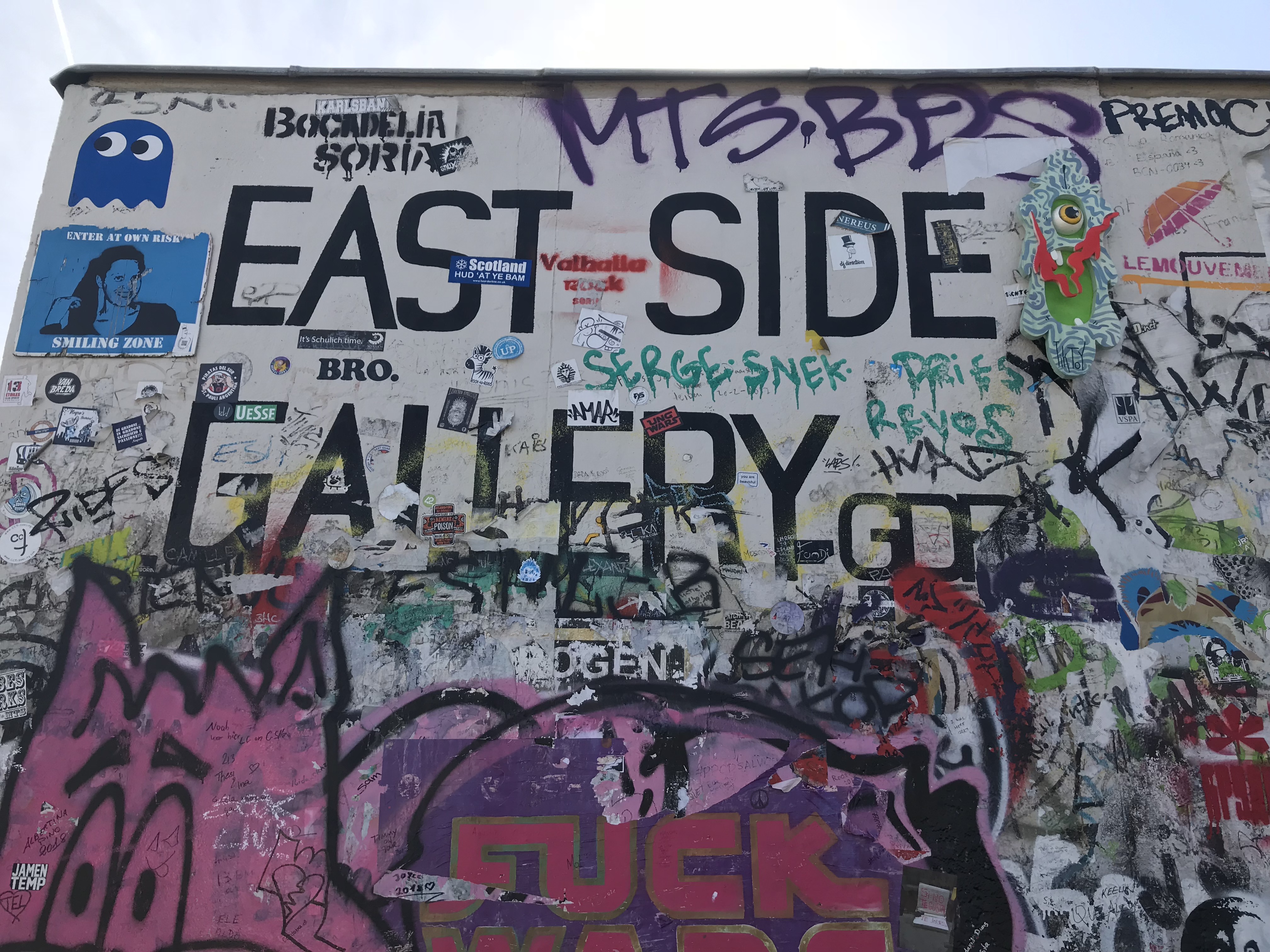
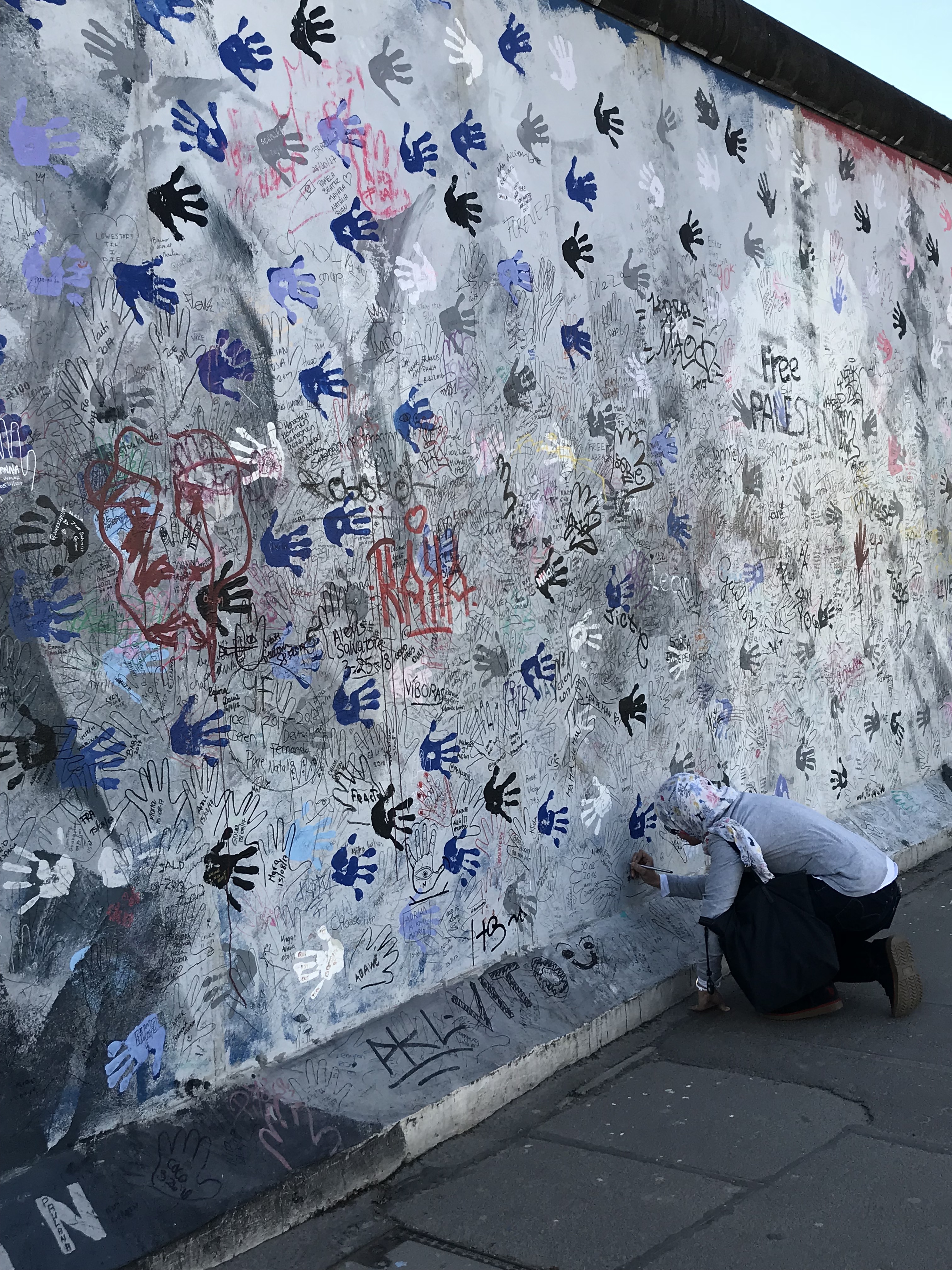
To the east, along the river Spree, which flows through the centre of Berlin, you will find the East Side Gallery. It consists of a series of murals painted on a 1316 Metre long remnant of the Berlin Wall. It is a heritage protected landmark, a monument to the fall of the Berlin Wall. It consists of 105 paintings by artists from all over the world. It was created in 1990 and due to weather and graffiti forces has had to be restored at times. The murals express hopes for a better freer, greener world for all peoples. I have included some of the photos I took as pictures can do so much more than words.


+UCZA8ygQPW7Kv8tILxmTg

To the west is Die Gedenkstatte Berliner Mauer, The Berlin Wall Memorial.  This is what I came upon that first day in Berlin. There is much to relay about the memorial. It gives insight into how the wall affected the city, the Berliners who lived here, those who lost their lives and those who survived and finally how the wall fell.  I will try to capture the impressions of this section of the wall in a subsequent post.

nL0+TZMZTLWTz9SxQHiE0A

fullsizeoutput_8ecc

The wonderful weather in my first week, has led me to seek out points of interest with lots of green space and the opportunity to enjoy the sun and warmth.

It was therefore no surprise that I found myself on the U-bahn to the neighborhood or kieze of Charlottenburg.

First a few words about Berlin neighborhoods or kiezes. Officially Berlin consists of 12 boroughs, which are divided up into a total of 96 districts. But in reality Berliners don’t live in boroughs or districts they live in their kieze-a neighborhood which may be defined by geography but more typically a feeling, a sense of belonging. I have only been here about a week and already feel that my kieze of Pretzlauerberg Is my ‘hood’.

Soon after arriving, I discovered a great app called Going Local Berlin. It’s objective is to help you experience Berlin and explore the 12 boroughs like a local. It has more than 600 tips on what to see, do and experience -markets, cafes, boutiques, events, parks all organised by kieze. I have found it to be incredibly helpful wherever I am in Berlin. I simply look up that kieze and have at my finger tips lots of local options. It so much better than the typical tourist info.. so if you come to berlin, use this app.
https://itunes.apple.com/ca/app/going-local-berlin/id964438630?mt=8

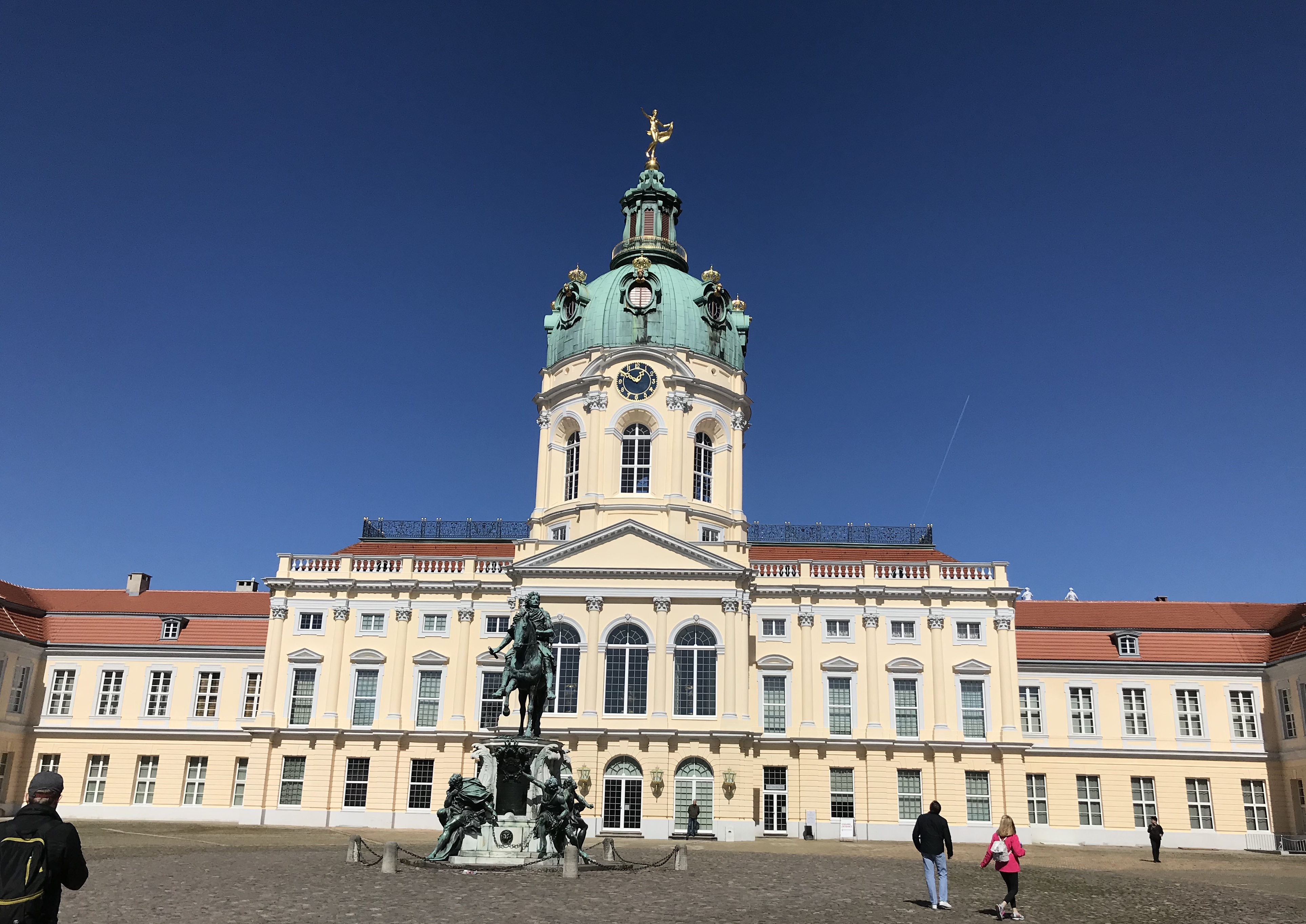
So, earlier this week on a glorious spring morning I made my way to Charlottenburg Palace. The palace, the largest surviving royal place in Berlin, is in an affluent kieze, Charlottenburg-Wimersdorf. It is named after Sophia Charlotte of Hanover wife of Elector Frederick III of Brandenburg and sister of the English King George I. It was built by the architect Johann Arnold Nering in the 1690s. It was enhanced after Frederick crowned himself Frederick I, first King of Prussia. Clearly, the new King and Queen needed to have larger gilded rooms given their new status.

The palace was extensively bombed during the second world war and bit by bit is being restored. Many of the interior furnishings were destroyed, but I still found it a worthwhile visit. Queen Charlotte collected porcelain, consequently both the palace and the former garden Belvedere Tea House have beautiful porcelain displays

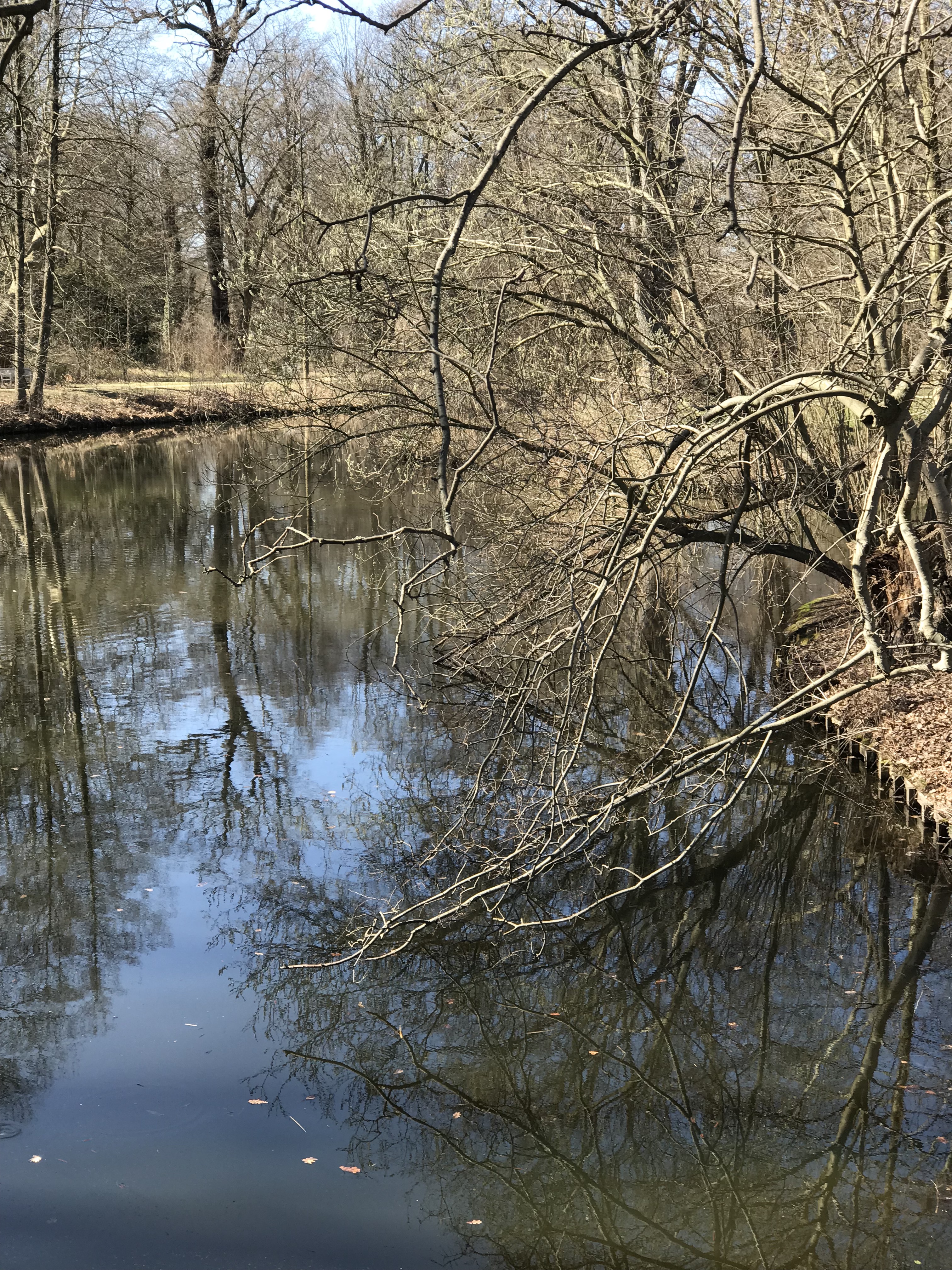
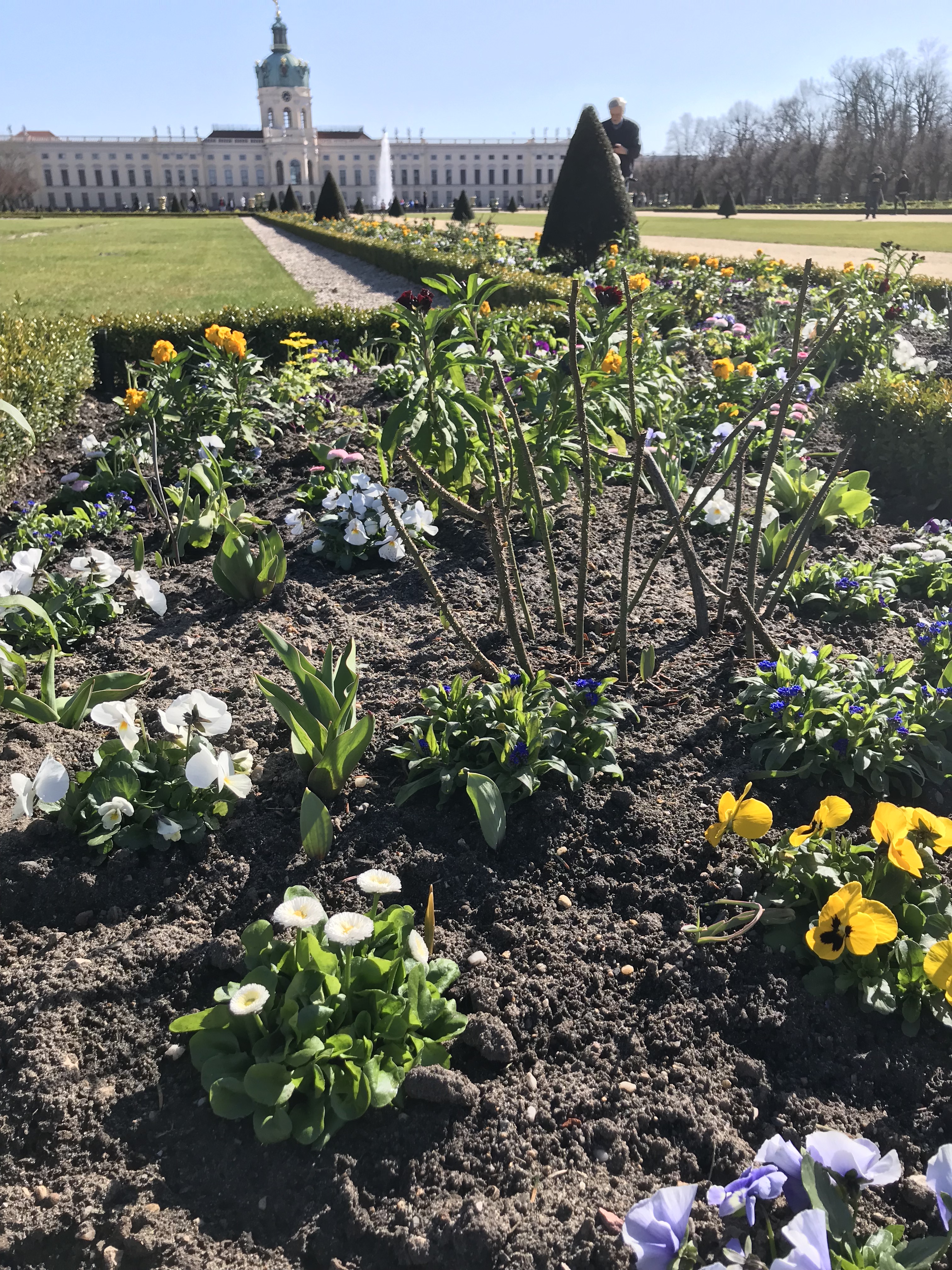
The gardens are huge and have seen many changes as various rulers landscaped in accordance with the sentiments of the times. Even though it was an early april spring morning, the main gardens had already been planted. I can only imagine how lovely these gardens are in full summer.

9w7+rUviRY+VZHbrytRPRgj8sbIsKHQteDPrQWNs8+yA

There is a beautiful boulevard, Schlossstrasse, that runs for several blocks to take you to the castle. Beautiful old homes and buildings line the street, and in the middle lovely green walking space. People play bacci and sit on the benches taking in the sun. As I neared the palace I came across an outdoor photo exhibit. Gegen das Vergessen

For two blocks screens, large 10 by 8 canvases of photos of faces. Old faces, men and women, wrinkled, some smile, some don’t. On some you see blue and white striped hats. It doesn’t take long to figure out I am again experiencing the schwer in Berlin. The portraits are striking, you see the whiskers on the old faces both men and women, smeared eyeliner, some women with jewels and scarves others starkly simple. They speak for themselves. While different, all share a common history-they survived the holocaust.

It is a moving installation! Walking along. I read many of the short histories of those portrayed. Their current age, where they now live, where they lived before the war, where they were incarcerated, who freed them.

On my return home, I researched the work. A “Mannheim artist Luigi Toscano has searched and portrayed Jews who have escaped Nazi persecution in five countries. The result is the photo installation “Against Oblivion”, in which the touching faces speak for themselves and their history.”


vgfJHWmvS2qdgu+WXyOQog

I am about to complete my first week in Berlin.
Berlin is at the same time appealing, fascinating and confusing. Although I will remain here for a full month, I anticipate I will  not ,in this time, be able to fully grasp all its features, or to come to grips with what is essentially so Berlin.

Last night I attended Mozart’s Die Zauberflote, The Magic Flute. It was a beautiful warm evening and I was seated outside watching all the opera goers entering in their finery ( delightfully, people dress for Opera). I was joined by an older woman, ein Berliner, also waiting for her companions before entering. I was commenting on the beauty before us as we sat in the sun looking down Unter den Linden. She had learned that I had studied modern European history in Munich over 40 years ago. She smiled and sighed simultaneously and said yes we have such history, much of it beautiful and so much of it schwer. Schwer, meaning heavy and burdensome. Perhaps this conversation best describes my frames of Berlin to this point. I have found much of it beautiful and delightful. But it is impossible not to be confronted by the schwer wherever I go. I anticipate as I describe my first week, you will find these frames set side by side, juxtaposed.
Berlin, vibrant, current, livable. Die Mauer, remnants of a divided city. Berlin, Hitler’s capital, schwer, a dark history, destruction and reconstruction. Berlin home to art and culture.
So to begin.

I have a lovely apartment in Pretzlauer Berg. It is in a five story structure built in an inner courtyard off Hagenauer Strasse. Delightfully my charming Airbnb apartment is on the main floor and I have the enjoyment of my own private garden, where I currently sit typing my blog. Mercedeh Sanati of Quench Trip Design is my go to guide of where to go and stay. She directed me to find an apartment in the trendy cool district of Pretzlauer Berg. Situated in what was formerly East Berlin, it was largely untouched by the IIWW, but its classic old apartment blocks, factories and brauerei deteriorated under communist rule. Today it has seen a typical urban revival as professionals with young families abound along with bars and cafes. My first walk in my new ‘hood’ was a great delight…a warm beautiful evening strolling through an awakening Pretzlauer Berg. The first week of April and temperatures in the high teens and low 20s have me thoroughly enjoying the markets, parks, cafes and shops in this appealing neighborhood.

My guests will start to arrive in week two, so I always try to get a feel for the city I will call home for a month in my first few days. While I keep telling myself I should do the Hop On Hop Off tours to get a perspective on the city, I always find myself simply walking to where I want to go or taking the transit ( which is very good in Berlin–great tram, bus and subway service) to another neighborhood I want to explore. In this first week I have logged almost 60 kms walking the streets and allees of Berlin. Bretzlauer Berg is centrally located so possible to actually walk to many of the destinations I have on my list.

In my first day I walked to the centre in about 45 minutes. Large open spaces still hint at the devastation caused by the bombing of Berlin, but cranes and construction everywhere give testament to a city that is still in the reconstruction process.

Architecturally it is a confusing city. So much of Berlin was bombed or demolished following the war to be rebuilt by differing east/west visions and needs and subsequently by reunification realities.

The famous grand boulevard Unter den Linden continues its appeal. It was established in the 15th century as a carriage way from the Berlin Palace to the Prussian Royal Families hunting ground ( today the Tiergarten Park). The Berlin Palace is currently being rebuilt on the Museum Insel. The Palace was demolished by the East German government following the war. Today’s rebuild is apparently also controversial as the city of Berlin decided to knock down the Palast der Republik, the East German parliament to make way for it. The StaatsOper  ( the Opera House) was also destroyed twice  by bombs during the second world war.

Rebuilt once during the war and then again afterwards, it has recently reopened following a full renovation to bring it up to date for today’s opera acoustic needs.

Unter Den Linden was named for its thousand linden trees ( lime trees). Beloved by Germans, when Hitler cut many of them down to make way for his Nazi flags, discontent forced him to replace some of them. In the last days of the war, most of the trees were cut down for firewood. Luckily, they were replanted in 1950. The street was situated in East Berlin post war. Museum Insel which houses many of the cities museums, Berlin’s Humboldt university and the Opera house grace this beautiful boulevard which ends at the historical Brandenburg gate.

Tvp0f+I3SamBI7ub6g65cQ

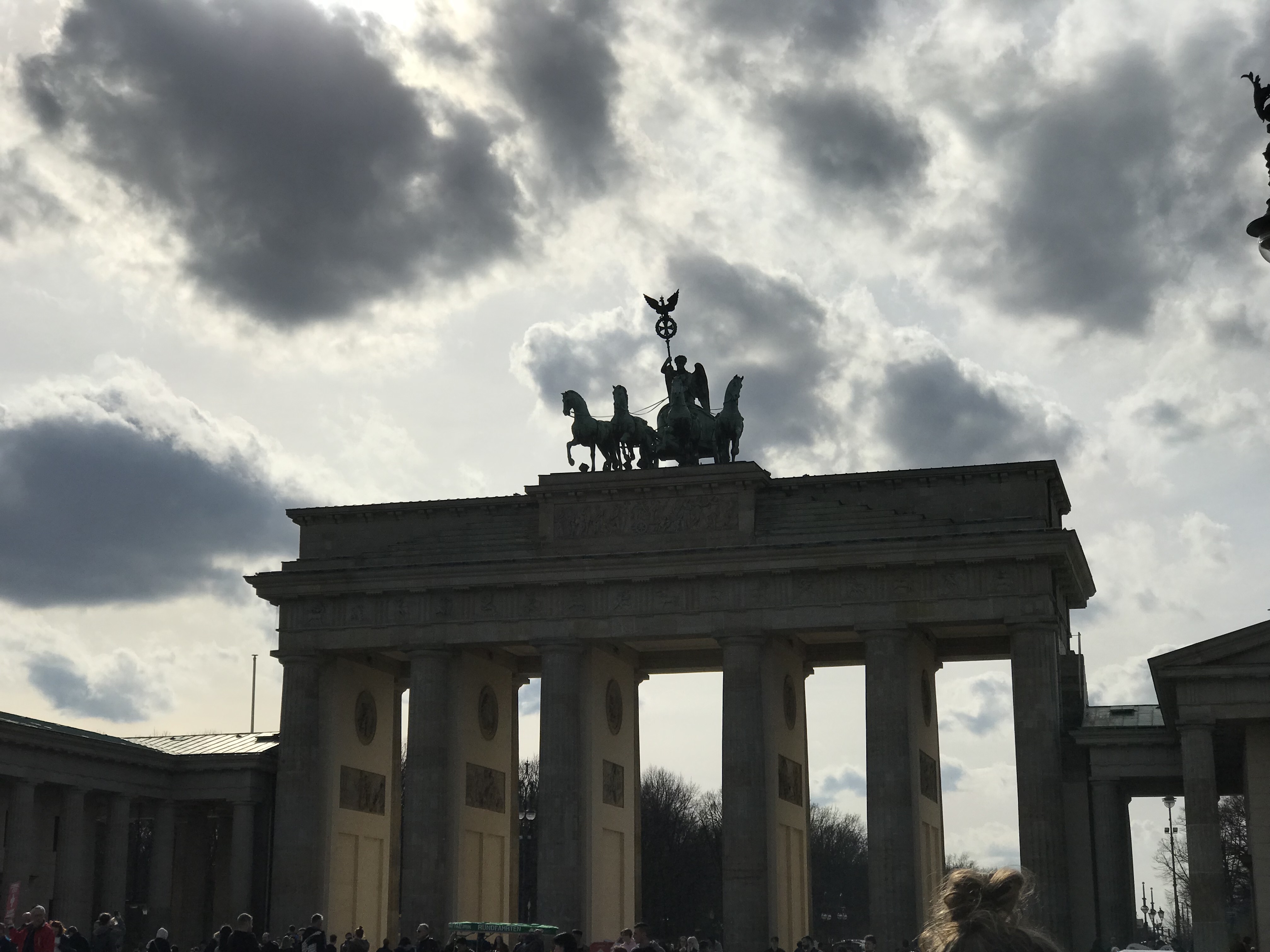
The East West Berlin wall ran alongside the Brandenburg gate. Prior to the building of the wall, many west berliners regularly visited the cultural sites along the Unter den Linden.

A former guardhouse, the Neue Wache, has become a universal memorial to the victims of war and tyranny. In

Indeed as I reflect on my walks down Unter den Linden and recall my conversation with die alte Berliner, Berlin is beautiful and schwer.

The day after arriving in London UK to visit my daughter,  I received the following agenda for GERI’s Gin Tour of London.

As many of you know I love Gin and Gin Martini’s. Last Christmas my daughter gave me the gift of a Gin Tour of London—I simply had to come and visit her to collect it!!!

I had no idea it was going to be so amazing!!!

IMG_0020

The Invitation

11:30 – 12:30 Beefeater Distillery Tour : http://beefeaterdistillery.com/shop/11-30am-14th-may-2016/?attribute_date=14-may-16-1130-am&date=1463221800

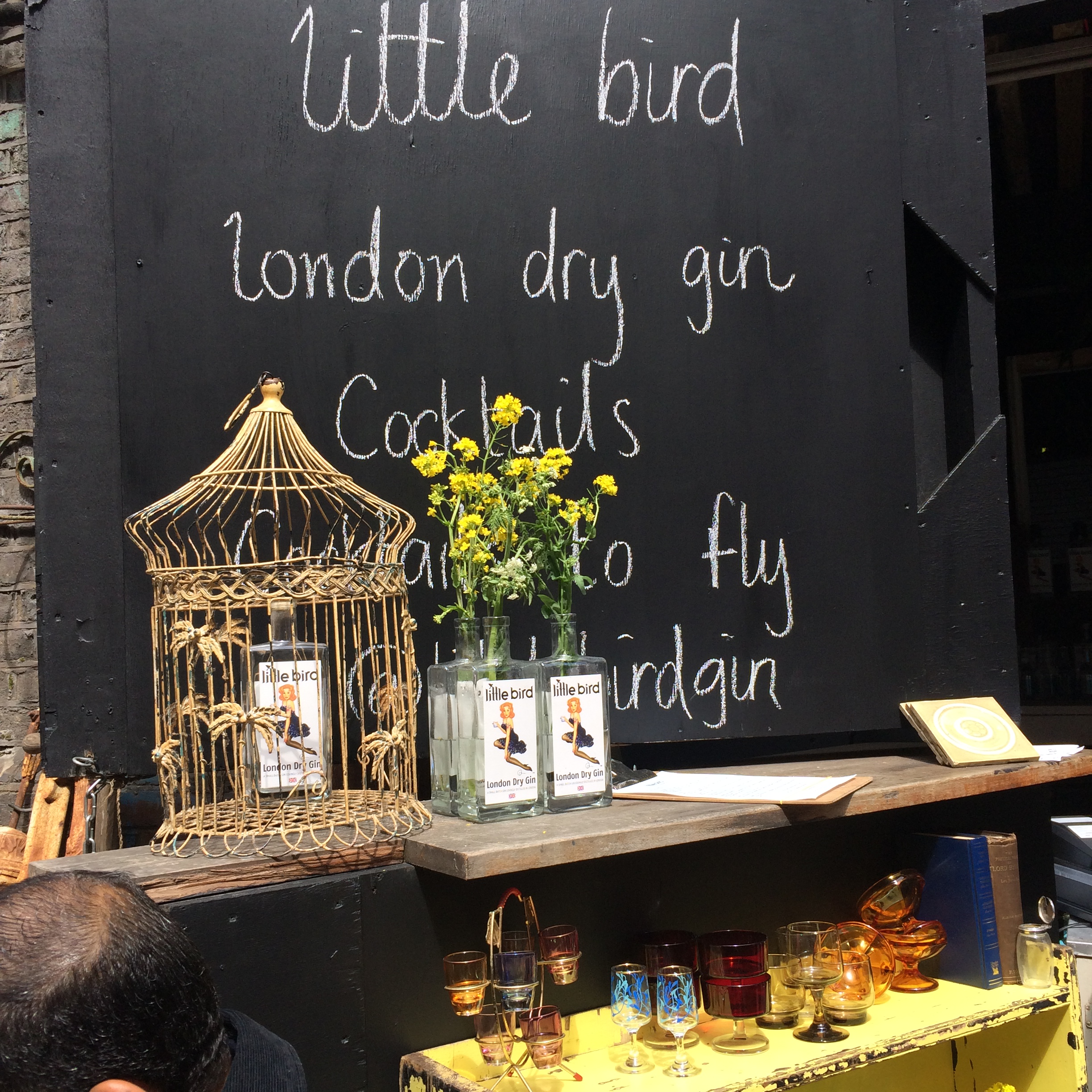
1:00 – 2:30 – Maltby Market – Little Bird Gin http://www.littlebirdgin.com/#contact

LUNCH in the market

2:30 – 3:00 Maltby Market – Jensens (potential tasting or browsing)

3:30 – 5:30 You must choose:

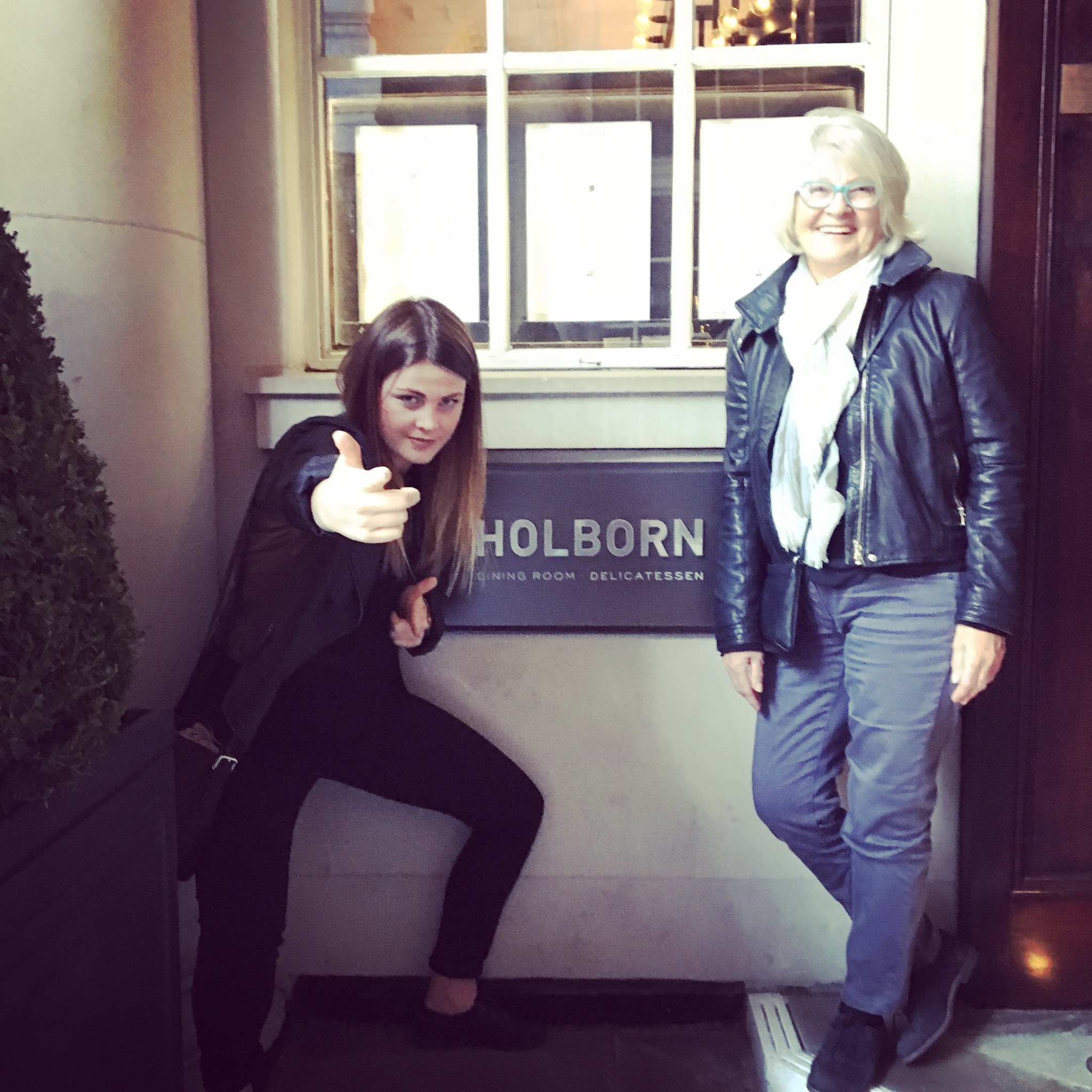
Holborn Gin Bar – Largest gin bar in London http://www.holborndiningroom.com/reservations/

6:00 London Distillery – Charcuterie and Cheese dinner –http://www.cityoflondondistillery.com/our-bar/

8:00 Jamboree Live Music – PLATYPUS + THE STRING PROJECThttp://www.jamboreevenue.co.uk/events/black-snake-blues-presents-platypus-the-string-project

Be sure to wear your walking/dancing shoes!!!

The Experience:

 Daughter Rachael, niece Madi and I set off bright and early for the Beefeater Distillery for a tour of London’s oldest gin distillery. It is a very small distillery and I had a hard time believing that all the Beefeater gin was distilled in only about 12 stills. But they claimed it was!! The output from the distillery is 80% alcohol, it takes about 2 days to make and is then shipped off to Scotland where they add pure Scottish water and bottle it for shipment all over the world.

For those of you not familiar with Gin, it is a spirit which derives its predominant flavour from Juniper Berries. It became popular in Great Britain when William of Orange, leader of the Dutch republic occupied the English, Scottish and Irish thrones. Genever, as gin is known in Holland, is a favourite of the Dutch….so I also come by my fondness for gin through my dutch genes. In addition to the key juniper berry ingredient, different gins and styles  are created by using other botanicals  ( coriander, angelica, orange, grapefruit or lemon peel, cardomon, cinnamon, grains of paradise, other berries, licorice—the list is endless, creating endless varieties of glorious gin. Typically a fine gin should contain 6-10 botanicals. However one of my favourite gins from Liberty Distillery in Granville Island in Vancouver uses 24 BC botanicals and berries. London Gin must have a strong juniper flavour.


London has had a long and tortuous relationship with gin. A Gin Craze swept 18th century London. In over-crowded, slum ridden Georgian London, gin became the opium of the people. For a few pennies, London’s poor found entertainment, and escaped from the cold and hunger at the bottom of a glass. It is said that in 1730, an estimated 10 million gallons of gin were distilled and sold from 7,000 dram shops. This would have meant that an average Londoner drank 14 gallons a year—I know I love my gin—but that is staggering consumption.

No wonder Rev James Townley (1751) pontificated that

Gin, cursed Fiend, with Fury fraught, Makes human race a Prey. 

It enter by a deadly Draught And steals our Life away

What really put gin on the market was the duty on imported spirits during the end of the 18th century when England was at war with France. Restrictions were lifted on domestic spirit consumption—creating a rich source of tax revenue and a healthy market for domestic grain growing landowners as un. The effects on its people however was devastating—gin was blamed for misery, crime, prostitution, higher death and birth rates and madness. It seems during this period cheap low grade gin was more likely to be flavoured by turpentine than juniper.

IMG_7290


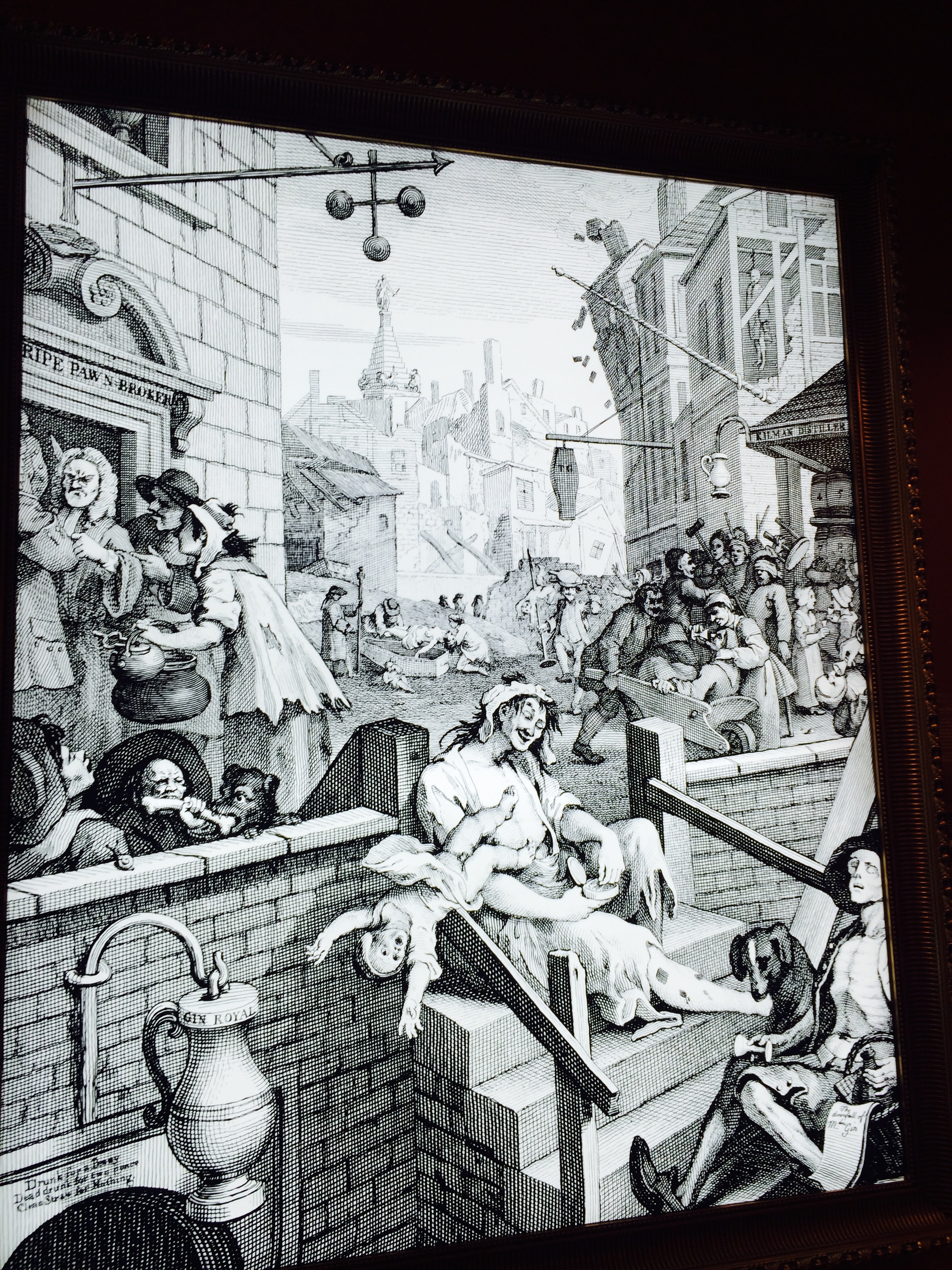
The satirical well know print by William Hogarth ‘Gin Lane’ depicts the sins of gin and links the grubby reputation that gin has had for many years as ‘mothers ruin. He contrasts the ill-advised consumption of gin with the healthy consumption of British beer  in ‘Beer Lane’. The government of the day tried to control the gin excess and rein in an unregulated industry, but the craze really did not end until a change in the economy brought on higher grain prices and therefore less affordable gin. Clearly Hogarth’s impact on many brits has been significant—beer is still the drink of choice for most current day Londoners.


By the beginning of the 19th century the gin craze and depravity was almost all but forgotten as gin transitioned to a new respectability with the introduction of ‘gentleman’s gin’. Gin was now distilled in commercial distilleries, regulated and quality controlled.

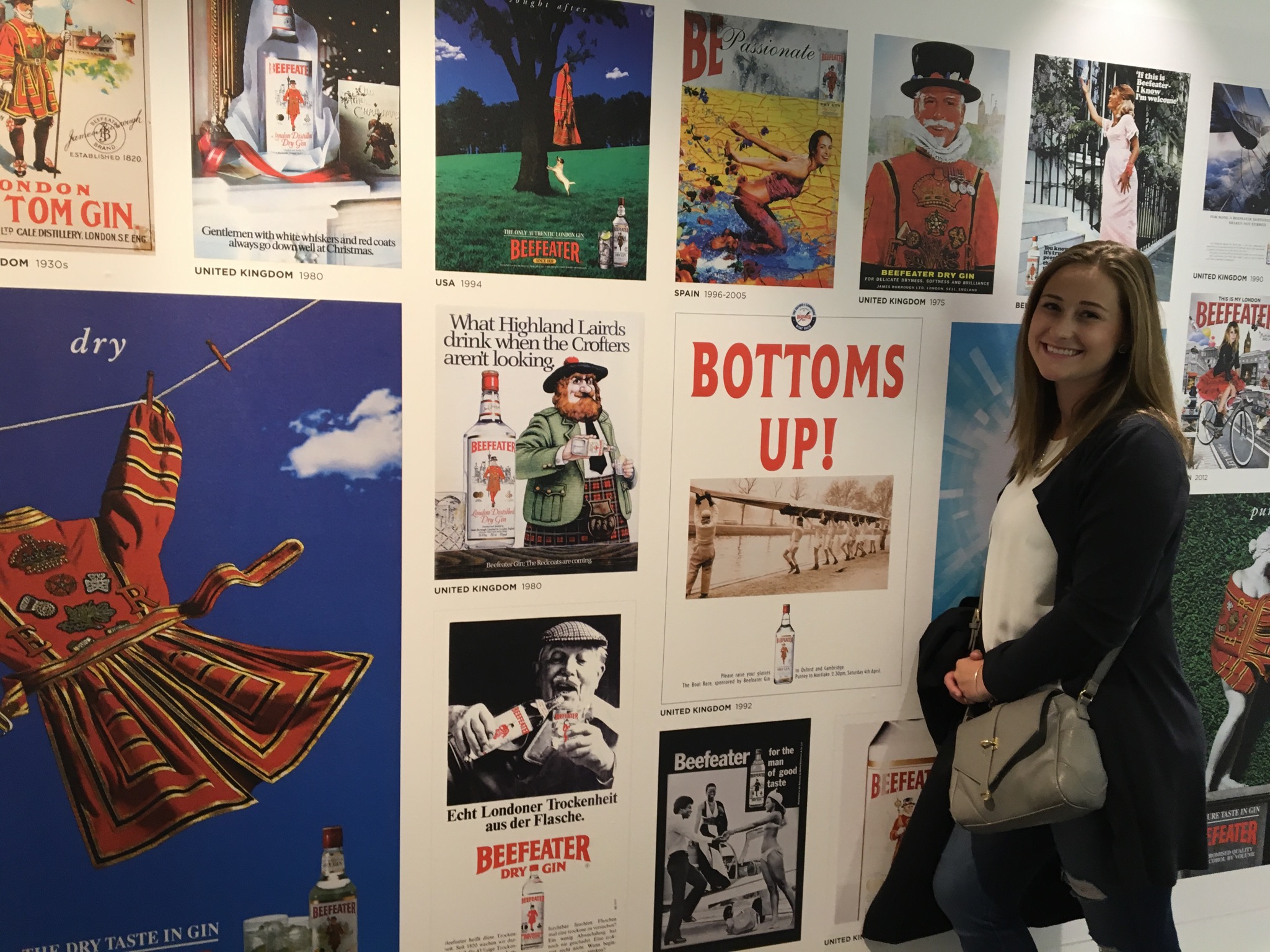
It is during this time that James Burrough and the Beefeater Distillery came onto the scene. James was a trained pharmacist, passionate about experimenting with flavours. It led him to discover the recipe for the nine natural botanicals now known as Beefeaters London Dry Gin.

IMG_0005

Today new styles of gin are becoming increasingly popular. Some of the originals are

Genever, Jenever: A Dutch spirit, still immensely popular in the Netherlands today. Distilled from malt wine and flavoured with juniper, hence the name jenever. Also referred to as Madam Geneva in English.

Old Tom Gin: Now used to refer to a style of gin popular in England in the 19th Century. Typically sweeter than modern gin. Various explanations for how name came to be. Traditionally often featuring some sort of cat on the bottle.

London Dry Gin:Modern style of gin, which has dominated since the late 19th Century.

Plymouth Gin:Similar to London dry gin, although said to be slightly sweeter, and the subject of protected geographical indication status, meaning it can only be made in Plymouth.

Sloe Gin:A liqueur made from gin and sloe berries from the blackthorn.


Having gotten both the production and history lesson in Gin at the Beefeaters Distillery exhibition,  and fortified by a lovely Gin and Tonic at the end of the tour, we were all set to embark on our ‘gin discovery and tasting tour of London.

IMG_0004

Our next stop Maltby Market.


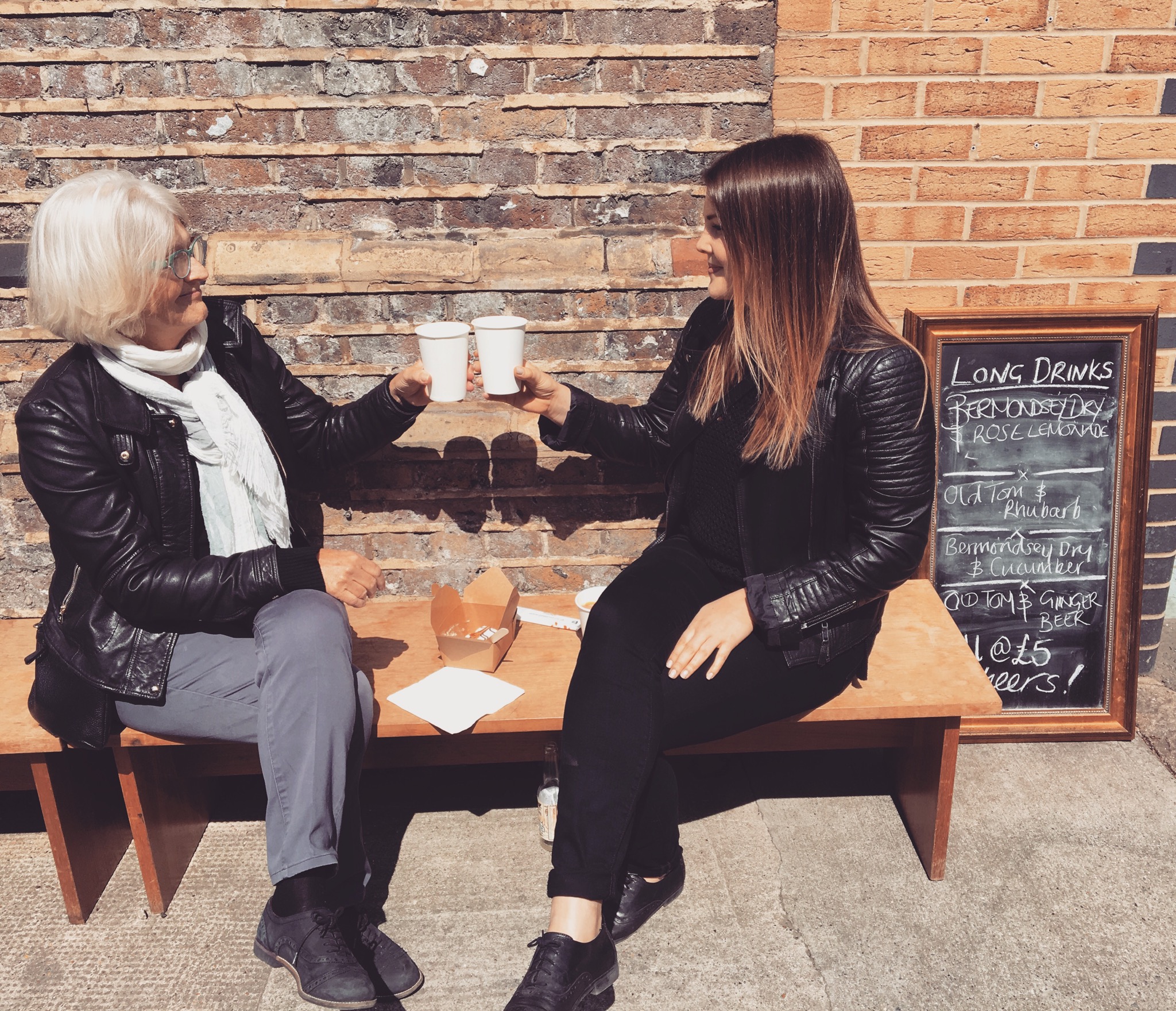
Maltby Market has become a popular destination to wander on a Saturday morning/early afternoon. In Bermondsey the street market has settled in amongst the railway arches of southeast London. While smaller by comparison to Borough market, it has far fewer tourists, yet boasts top-notch food sellers of all varieties. We feasted on the ‘best burger’ in London from African Volcano (as declared by Madi and several other irish ‘foodies we met at the pop up communal bar) awesome charcoal grilled British Beef with chimichurri sauce and fries from The Beefsteaks and a delicious Falafel platter from Hoxton Beach. Quite frankly there were at least another 10 food stalls we would gladly have sampled—there is a style and flavour to suit any taste bud.


Our lunch was accompanied by cocktails from Little Bird Gin. We learned that Little Bird Gin is ‘lovingly distilled in small batches in London using unique botanicals including grapefruit and orange to give a smoother more rounded, fresh tasting gin’. We of course each had a different cocktail to enhance our sampling opportunities. Several of their cocktails are on their website but here’s to start you off in the morning.

IMG_7297

Early Bird Breakfast Martini

30ml Little Bird Gin

20ml Cointreau

50ml Pink Grapefruit Juice

2 large teaspoons of Seville orange marmalade 

Muddle the marmalade in a Boston Shaker, add lots of ice and the rest of the ingredients. Shake well and double strain into a chilled martini glass.


Before leaving Maltby market we made one more stop and in another archway found Jensen’s Distillery. A little gin tasting of their vintage gins and a sit in the sun, sipping a G&T, while  people watching rounded out our market visit. We clearly agreed with Christian Jensen, resident  distillerer

Jensen’s is gin as it was. Gin as it should be.


IMG_0011

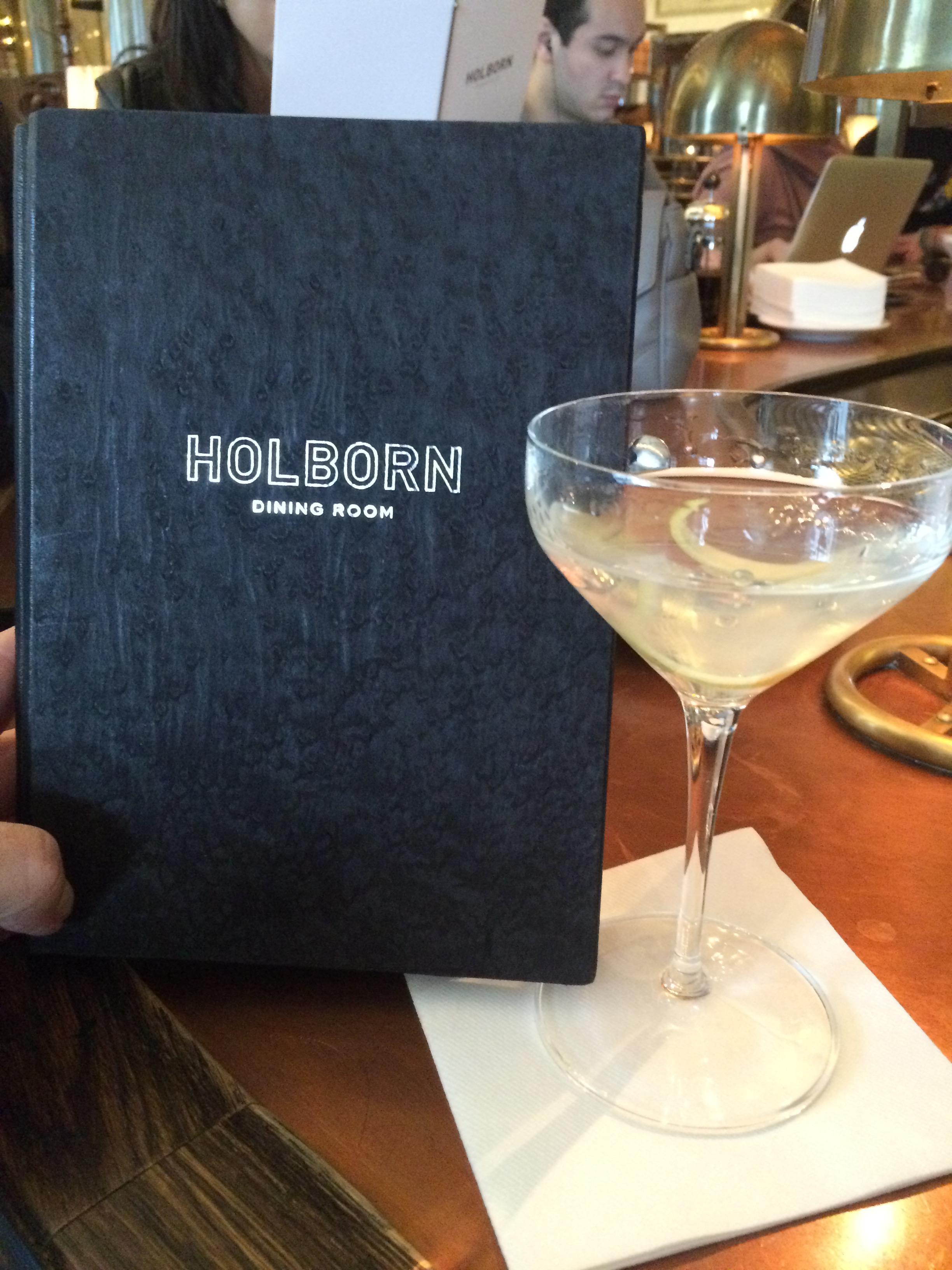
Armed with the ways of  world renowned Beefeaters to small local distilleries, we hopped on a double decker red London bus to our next destination, Holborns. Holborns is a grand old brasserie set in midtown London. It boasts a gin bar offering London’s largest collection of Gin, with over 400 Gins and 27 tonics. Apparently, if you had the time and liver for it, you could savour over 14,035 possible Gin and tonic pairings and cocktails.

I wandered the length of the bar and had a good long look at the 3 cabinets of gin bottles. Happily I saw a few of the unique gins, assembled in my gin cabinet, Death’s Door, Genever and of course the old well knowns, Hendricks, Tanqueray ( all of them) Beefeater, Boodles and indeed the new small batch distillery Lady Bird.

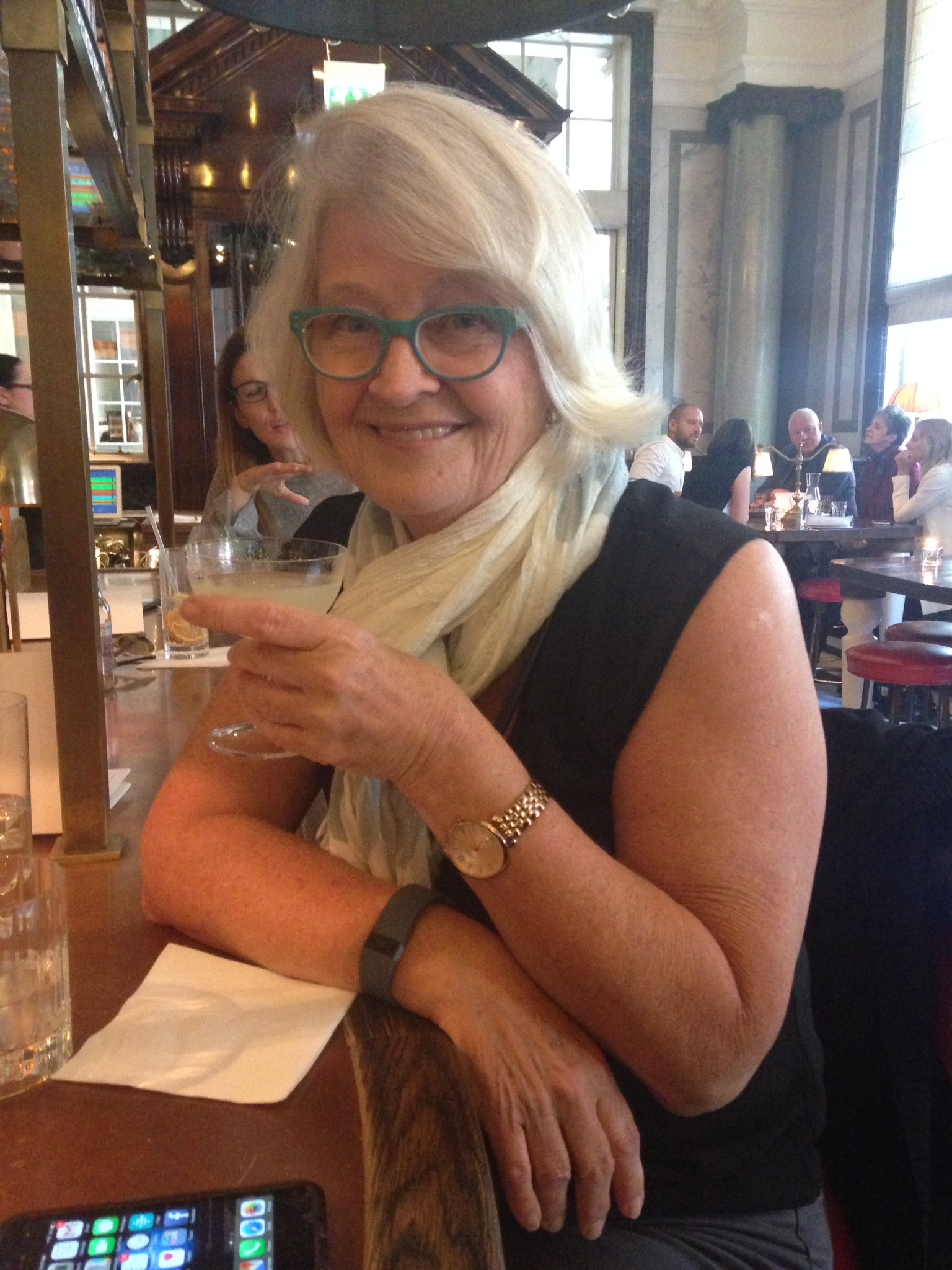
Having eschewed the bar cocktail menu I asked to see the list of gins and was presented with the ‘Bible of Gins’ by the gentleman behind the bar. After a deep consultation with said gentleman and a tasting or two I settled on Mayson’s Dry Yorkshire Gin, just to say I allowed my taste buds to sample something a little further afield but still British.

IMG_7306

According to their master distiller Mayson’s Dry Yorkshire Gin is

A London Dry Gin from God’s Own County!

IMG_0005

Masons set out to create something that “wasn’t just your run of the mill, off the shelf, generic gin”. According to the experts it  is a spicy, slightly malty number that has a pleasant fennel character. You may wonder how I could taste the differences by this time….but this was my first straight dry martini of the day ……no tonic or other additives, just a splash of vermouth, a lemon twist and ice on the side…..and I loved it!!!!


By now it was late afternoon, and time to depart for our final gin destination, the City of London Distillery. We headed down to a destination near Blackfriars on winding cobbled streets and came to Bride Lane. We actually bumped into a wedding party but did not see the bride. Searching around a bit we found a doorway, headed down the stairs into an underground bar (and fully functioning distillery). There is much too entice one at the COLD (stands for City of London Distillery) bar.


One can do gin flights,  a gin masterclass tour or even create your own gin. However, our day had presented us with several of these options already and we settled in for another cocktail, myself another dry martini with the house City of London Gin and a lovely charcuterie and cheese platter.  The ambience was terrific, Rachael’s room mates had joined the party by this time and we relived the delights, twists and turns of the day.


IMG_7317

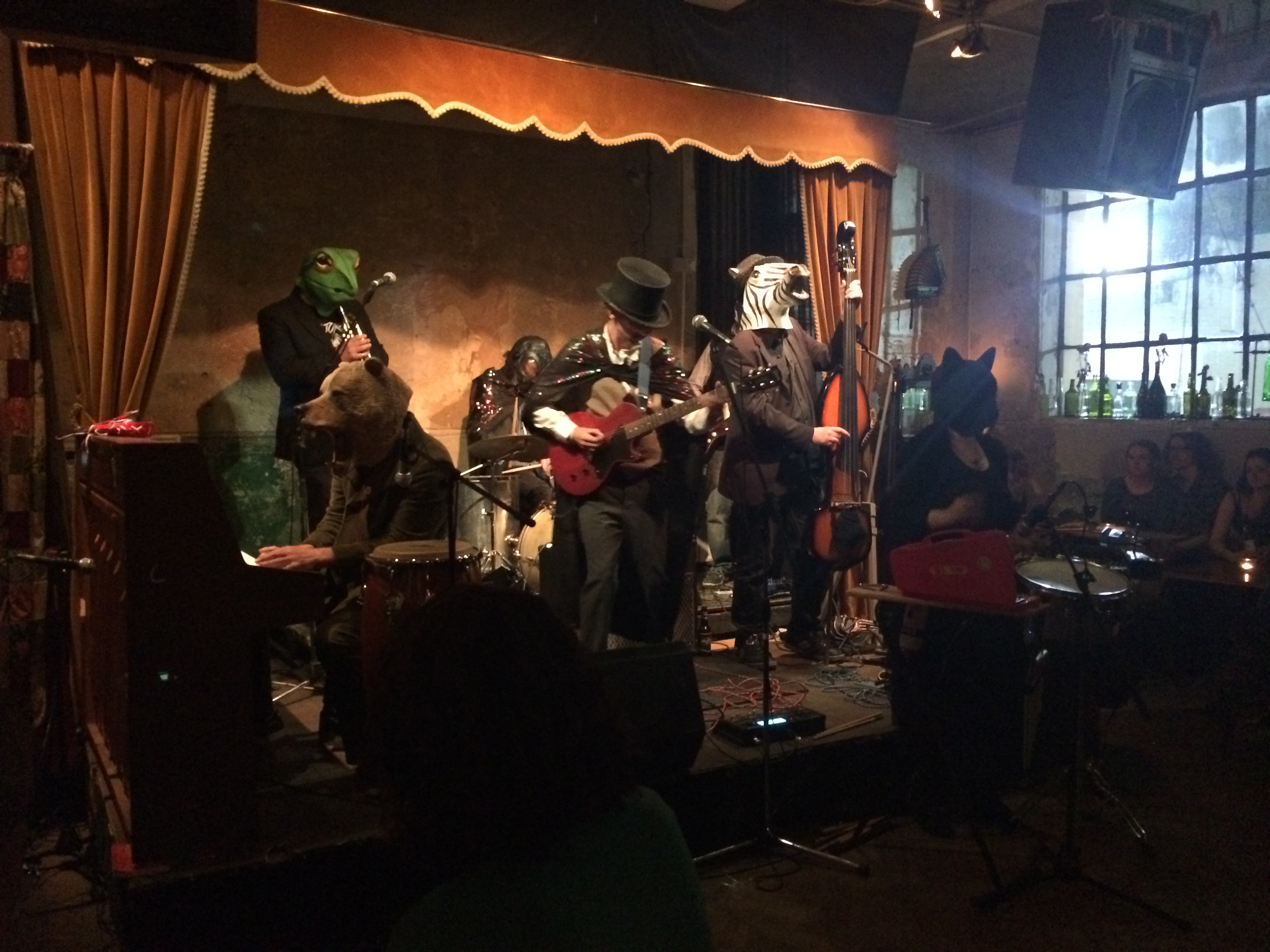
Following our gin adventure you will see that the Rachael  had planned a visit to a live music venue with the girls…it turned out to be quite the adventure as you will see from the animals in the band–but that is another story


A very special day with very special person and her friends who put a great deal of thought and life into a remarkable London experience!!!

IMG_0019


While in Barcelona I came across several  unique traditions that I should like to share with you. Castelling is the subject of this blog


Castellers in Barcelona

IMG_6416


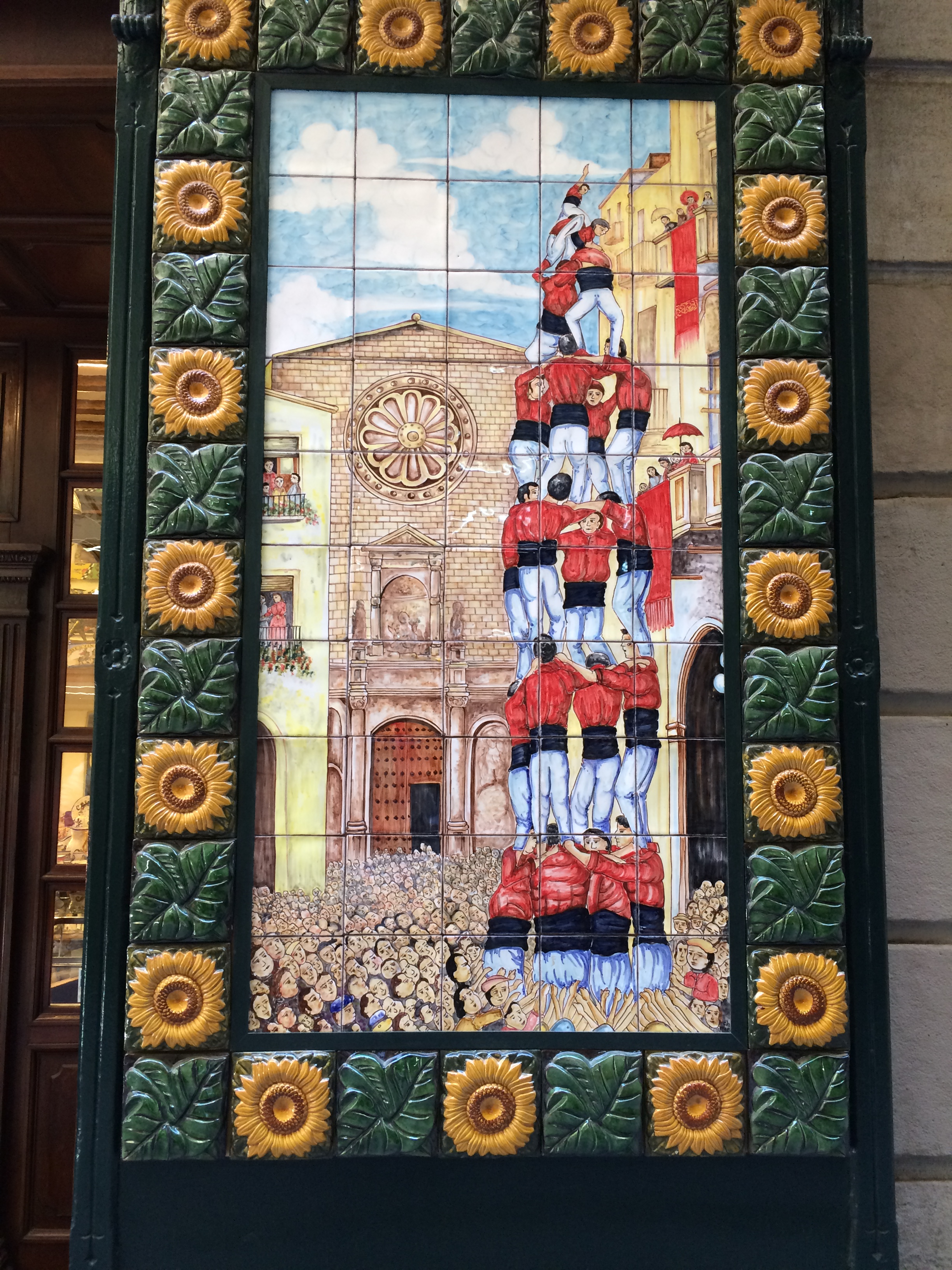
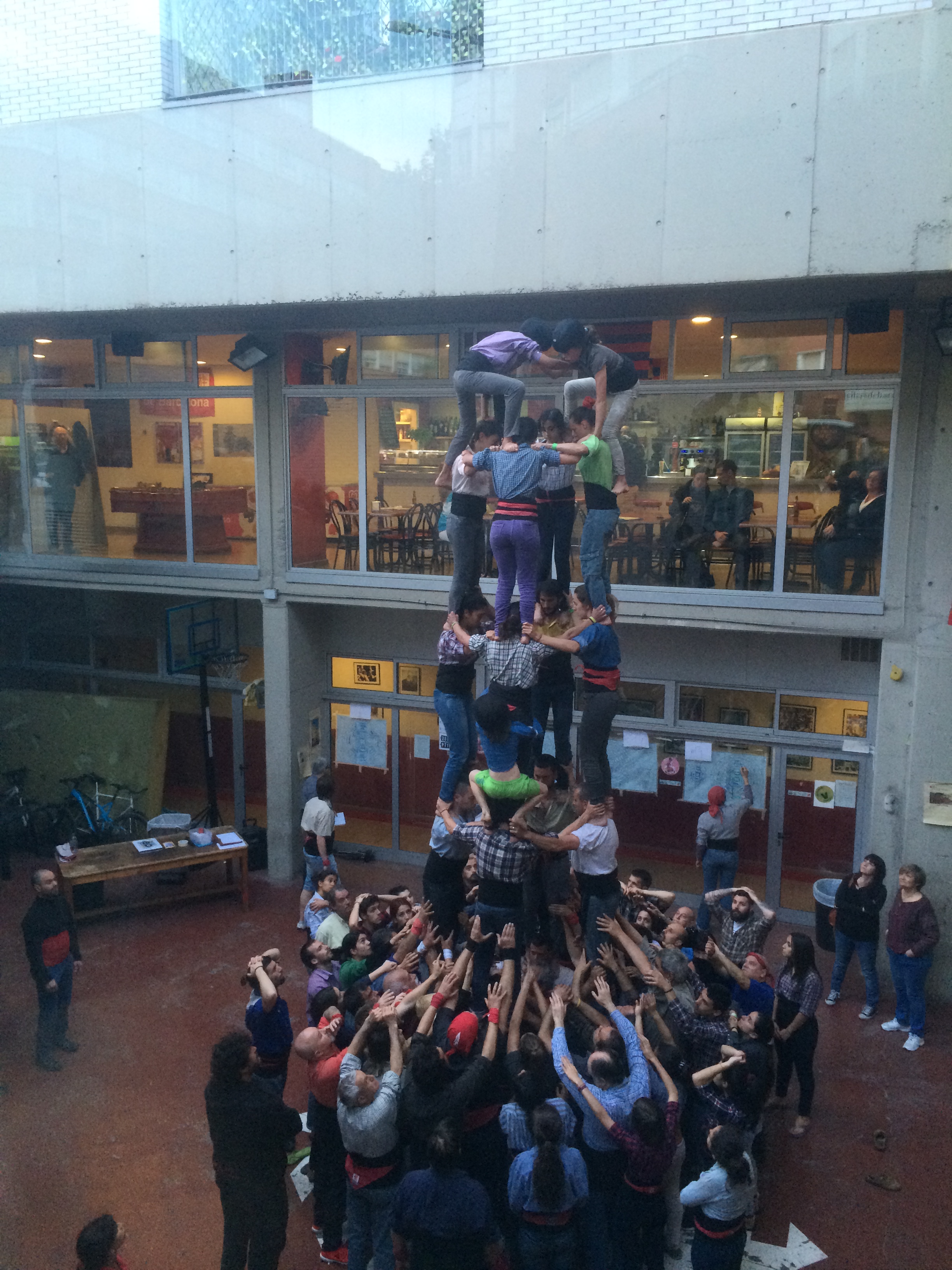
I read about and then searched out the tradition of castelling. A castell is a human tower. Colles Castelleres are groups of people who do these towers. According to UNESCO castells are declared to be amongst the Masterpieces of the Oral and Intangible Heritage of Humanity. Seriously!! You will soon see why.

Various Colles exist across Catalonia, several of them in the city of Barcelona. They build ‘human towers’ at  festivals across the province, competing against one another for the highest and most complex of towers.

The tradition originated in the Ball dels Valencians in Valls, and was first documented in 1712. It became the thing to do in the 18th century.

A Castell  is considered a success when stages of its assembling and disassembling can be done in complete succession. The Castell is said to be complete when all castellers have climbed to their designated places and the enxaneta climbs into place at the top and raises on hand with four fingers erect, symbolically the stripes of the Catalan flag ( yes you may be beginning to see this strong theme of independence and patriotism in so many of the things happening in Barcelona). The enxaneta then climbs down the other side of the castell, and the remaining castellers descend highest lowest to complete the disassembly.
IMG_6805

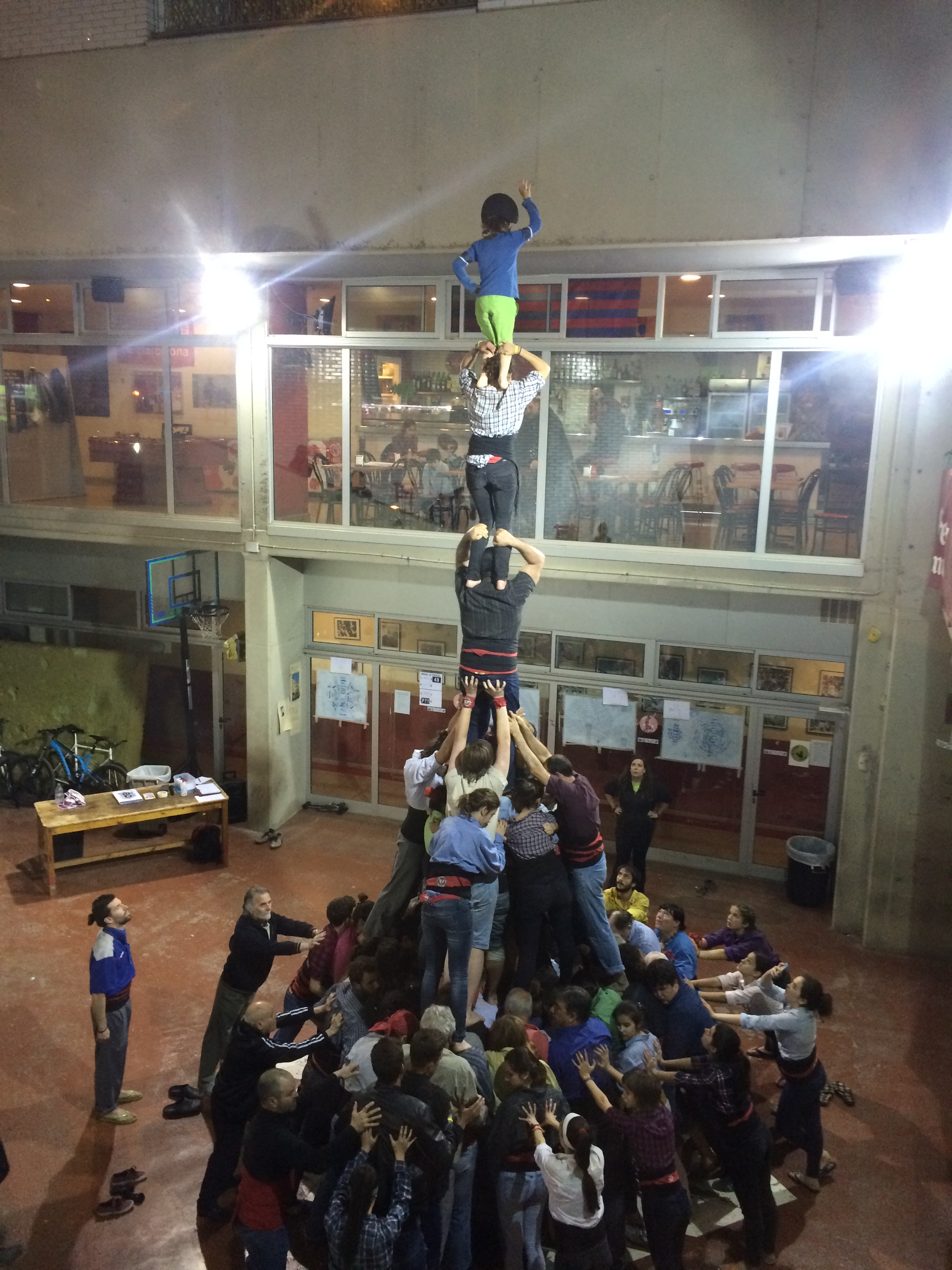
Complicated??? Yup. But once you see it, not only complex but truly fear inspiring. Regrettably I did not see a Castell created at a festival… missed my opportunity to see one on one of the festival days –most common timeframe for them to put a castell on for show—but within walking distance of my flat I was able to see a practice evening. Even though they were not wearing their traditional dress of white pants, red shirts and black belts, the practice show as amazing….and because we were able to view it from above, we got a real sense of how complicated the castell building is.


You will see that to our surprise the highest levels are created by castellers who are small children—very acrobatic children at that. They literally looked like little monkeys ascending and descending the castell. Aside from the children, girls, women, boys and men who create the upper parts of the tower, a bottom base, the pinya,  is needed to act as a safety net to catch or cushion the fall if the castell collapses.


I have inserted a couple of videos.. please excuse the audio and commentary…not exactly the most professional documentation, but felt it was worth inserting to give you a real feel for the art of castelling.

Seeing this created is incredible and clearly well orchestrated and managed. There were huge posters on a wall in the practice we saw that indicated for each individual where they needed to be for each castell. Yes they don’t just form one kind….amazingly we saw about 15 different towers built.  I think I counted the highest towere we saw created at seven levels.. the highest they can go is ten…imagine that. We saw towers built with 3,4 and 5 people per level known as pillars.


We soon discovered that the black belt of sash known as a faixa  is the most important part of the costume and they wore them that night over their regular dress. The faixa supports the lower back and is used by other castellers. It is a long piece of cloth that is wrapped around the waist. They range from 1.5 to 12 meters long. The longer ones are worn by the lower levels. Castellers go barefoot and they climb up each other by securing their toes into the sashes of the levels as a foot hold when climbing the tower.

The lowest level is made up of very strong, stocky men. Women and children form the highest levels we saw.

IMG_6797

The motto of Castellers is  Forca, equilibri, valor I seny, meaning Strength, Balance, Courage and Common Sense.

 I totally got the Forca, equilibri and valor…but there is no common sense in my mind in creating 10 level human towers.