Archive

Uncategorized

Laneway Blog Real Time

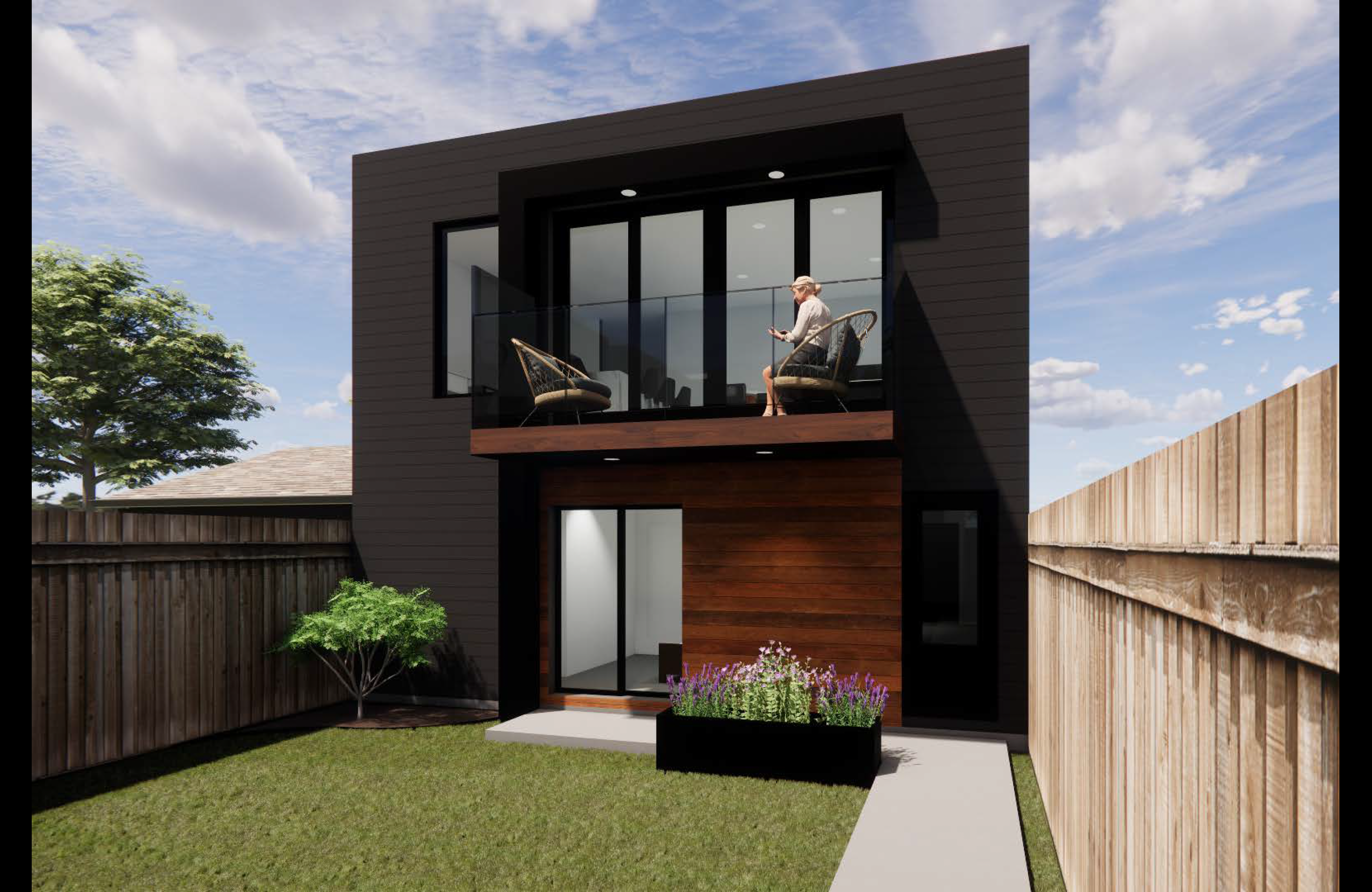
February 2025. Mid February I met with my interior designer to select the finishings for the Laneway House I will be building this year.

This was a very exciting time.. my dream of a new future home would  come to life in the choices we would make over the next few days.. the kitchen, bathroom and cupboard millwork, countertops,  flooring, moldings, lighting design and fixtures.  A daunting number of decisions to be made, a tad scary but also so energizing!!!

The COVID Spark

The scary dark days of COVID sparked the birth of an idea. The idea took root, and we started dreaming. Dreams developed into plans. We entered  the real estate market, and our early 2020s dreams became hard-hitting nightmares in 2024. The nightmares finally subsided and by the fall we’d come through the worst of the stressors. We were once again moving forward towards the dream. Overtime I will weave these chapters of the journey into the  blog.

In the early fall, I joined Rachael my daughter, Callum her partner, and Cooper my young grandson, and moved into the new home we had bought on Gladstone Ave in Dovercourt Village. We had purchased the property in early May—a new bigger home for Rach, Cal and Cooper with the potential for a laneway home for me. The buy, sell and move challenges behind us, we could focus on settling in and starting the design process. A 2 storey home, Gladstone had lots of room— great living space on the main floor, (space we often share), and a dedicated ‘drop down’ living suite in the basement that I will call my home as I await the build of my new space. 

Selecting the Design Build Firm

The next big decision was to land on a design build firm that would be able to turn my dream into reality. While I did do some limited research on contractors in this space, I think my decision to select 2X2 Construction https://2x2construction.ca/about-us had formed over the course of the past 2 years. 

In April of 2023 I began my research into laneway housing. My internet search brought me to the 2X2 Construction site on their laneway and garden suite construction services https://2x2construction.ca/services/laneway-house . This website is a dream—filled with real plans and photos of laneway houses, a terrific ‘Laneway House Guide’  an informative laneway Q&A, laneway house requirement, tips and trends and costs. It was a gold mine!! Having absorbed as much as I could and armed with my personal set of questions, I sent 2X2  the following message.

Good day. 

I am hoping to purchase a home with my daughter and her partner that would enable the buildout of a space for me. 

We need assistance in the planning stages that covers what type of property we need to purchase, the design of the separate spaces to the final build of the project. We have considered the option of a laneway house. 

We have found your website to be very helpful and wondered if we could set up some time to meet to develop a clearer understanding of what  planning we need to do to prepare for such a project.

I look forward to hearing from you

Geri

David 2X2 Account Manage called me. He spent an hour and a half and answered question after question. At this point I had not committed to the laneway build, I was simply exploring an option. David was generous with his time and committed to offering ongoing guidance as we debated our future options. Over the course of the next year and a half, David and I connected again and again. In December 2024 we committed to find a property and David became a resource (in addition to our real estate team — more on that dream team later) to call on to assess whether the properties we were considering were suitable.  

David provided great insight into the final decision to purchase Gladstone. It was a great fit!! The neighborhood had a lot of appeal…close to the subway,  a charming family neighborhood with schools and parks, the draw of urban offerings–bars, coffee shops and local stores.  The main home was fully renovated, move in ready and provided ample space. The property had a large backyard ( for urban standards), a 2 car garage, a very wide rear laneway providing great access, and it ticked all the laneway build requirements for smooth ( hopefully) permitting.

So having moved into our home, conversations with David began in earnest  in late September as Rachael, Cal and I 

  • Reviewed the 2X2 design /build process. 
  • Explored early options of what might be feasible given the garage and property size
  • Discussed 2X2 cost parameters and my  budget 
  • Visited 2X2 build projects in process
  • Conducted references on 3 2×2 laneway clients

The Design Build Process

In my next blog I will pick up the story and share the next phase of the design journey

Cusco

In February of 2018, I joined my daughter Rachael for an extended holiday in South America visiting Argentina and Peru. This blog covers our memorable hiking trip in the Andes in the Cusco region located in the southern central part of Peru. Cusco, the city is the capital of the Cusco region. The Andes are the second highest mountain range after the Himalayas, its highest point is Mt Huarascan at 22,204 feet. I can’t imagine what the air must be like at that height…it was challenging enough managing to hike and breath at 12,000 feet.


Our hiking experience was arranged with Peru Ecocamps  https://www.peruecocamp.com

As in the past, I leveraged the knowledge and experience of Mercedeh Sanati of Quench Trip Designs http://www.quenchtravel.com  Mercedeh’s knowledge of south America ensured our adventure would be remarkable. Having advised her that we wanted to include a hiking challenge she quickly recommended PeruEcoCamps.

Our experience began in Cusco. The evening of our arrival at our boutique Tierra Viva Cusco Plaza Hotel https://tierravivahoteles.com/tierra-viva-cusco-plaza/ (we recommend), Johann Munoz our PeruEcoCamp tour guide met us to review the week ahead. Johann was born in Cusco and has worked as a mountain guide for many years. We would find out over the course of the week, that he was extremely knowledgeable, both about the culture and history of the area as well as thechallenges of the Andes mountains. It became clear that we would be in very good hands.

Chonta and the Condors
UrtTbfXdQhqVvKE1Fxy14Q


Early the next morning Johann and Jose our driver for the week, picked us up bright and early.

Our first stop was an Inca ruin. It was the beginning of our introduction to the indigenous culture of Peru. We were to learn much more over the course of the week with Johann

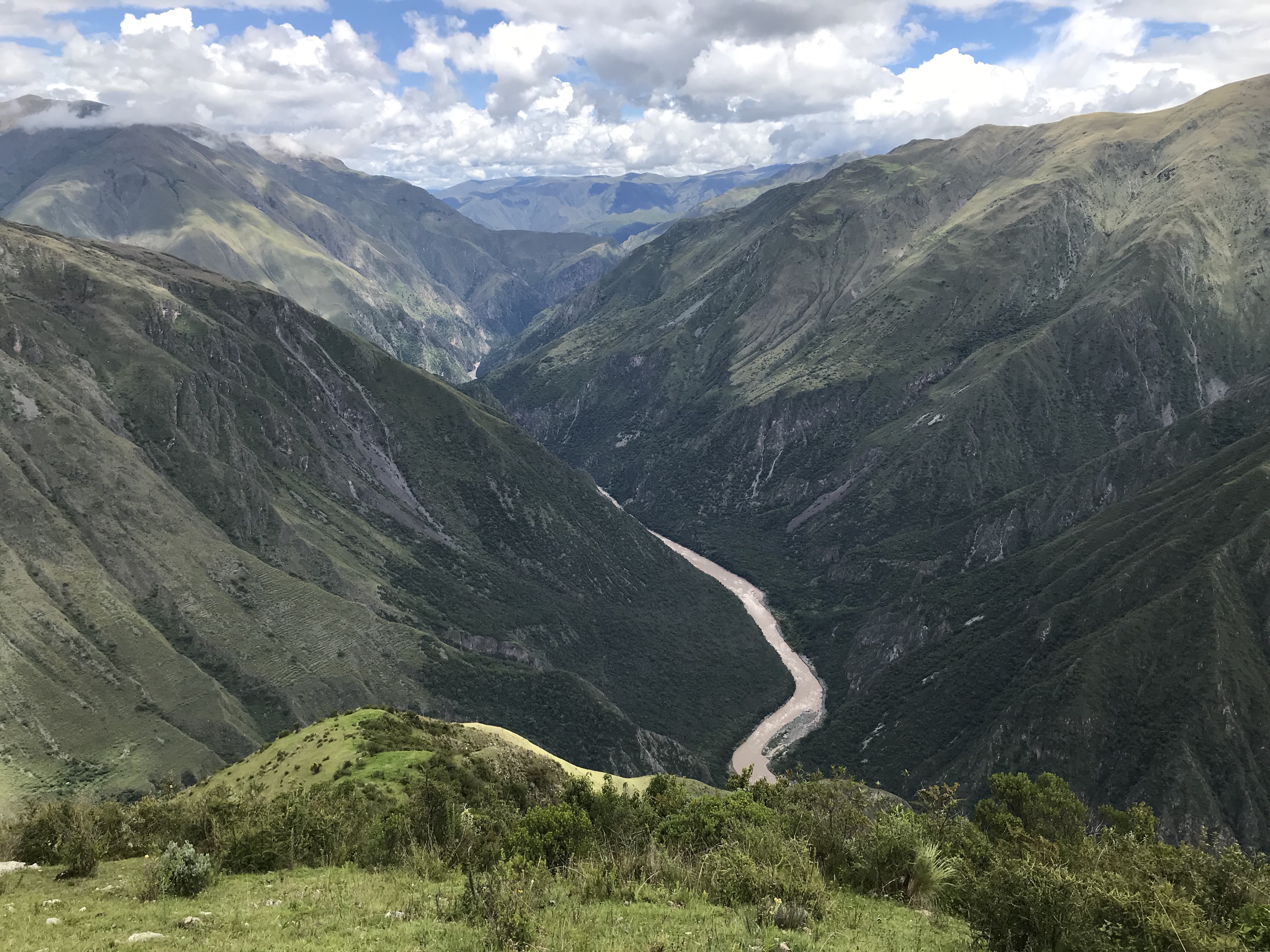
By mid-morning  after a harrying ride up the mountain, we were on our first hike of the week starting at mountain hamlet of Chonta (11,000 feet) to discover the beauty of the Apurimac Canyon. Our trek was moderately difficult taking us to a lookout point over the canyon. Our hope and purpose were to catch sight of the majestic Andean Condor. The condors love the canyon as they soar upwards from the canyon floor on the thermal winds, reaching heights up to 26,000 feet. Reported to have a wingspan of 9-10 feet they are truly majestic birds—it is one of the largest birds in the world standing up to 4 feet high and weighing up to 27 pounds. It can fly for hours without using its wings, simply by gliding on the thermal winds In Andean lore, it is believed that the souls of the dead are transported to the spirit world on the wings of the condor.

e1seDlNlRkax81LUg+Npnw

It was windy and chilly as we arrived at the lookout point and we tucked into our lunch keeping our eyes peeled to the sky and the canyon. After several hours and somewhat disappointed that we had not seen any birds, we started our hike back down the mountain. And then of course, we spotted the Condor. They are truly mesmerizing!! I managed to get a short video clip of them in the distant but was too caught up in the moment to record them in pictures.  In the space of a about 20 minutes we managed to catch sight of 2.

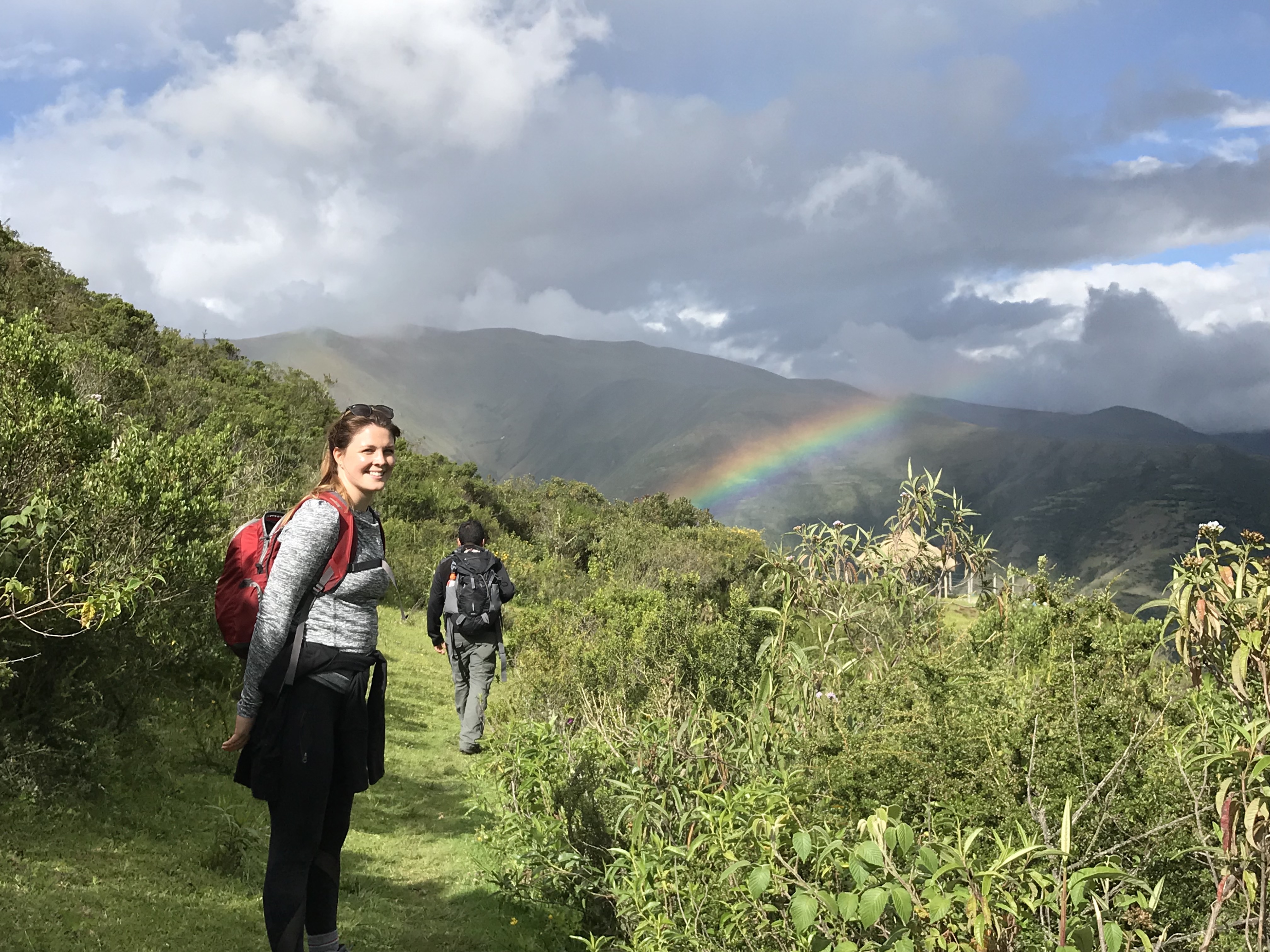
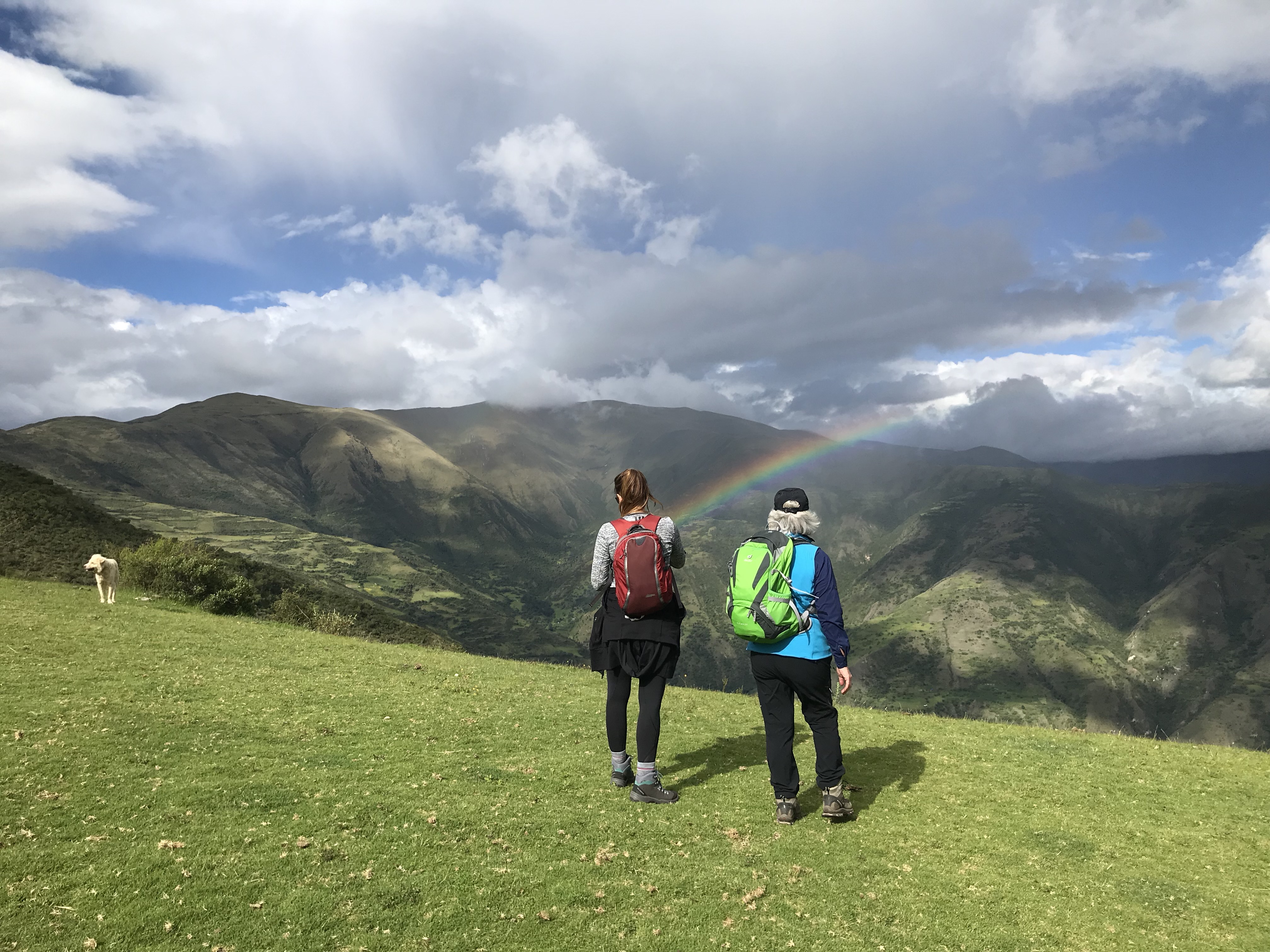
As we made our way enthusiastically down the mountain, we saw rain in the distance and then were awarded a gorgeous rainbow… this became a regular occurrence as we trekked in the Andes. Cloudy, sun, rain, cloud, rain, sun, rainbows!!! It made it all worthwhile.
3Z1d6hE0SkecwJ9oqWF3Agx0j4EwYOQsS%cwyb7didEQ

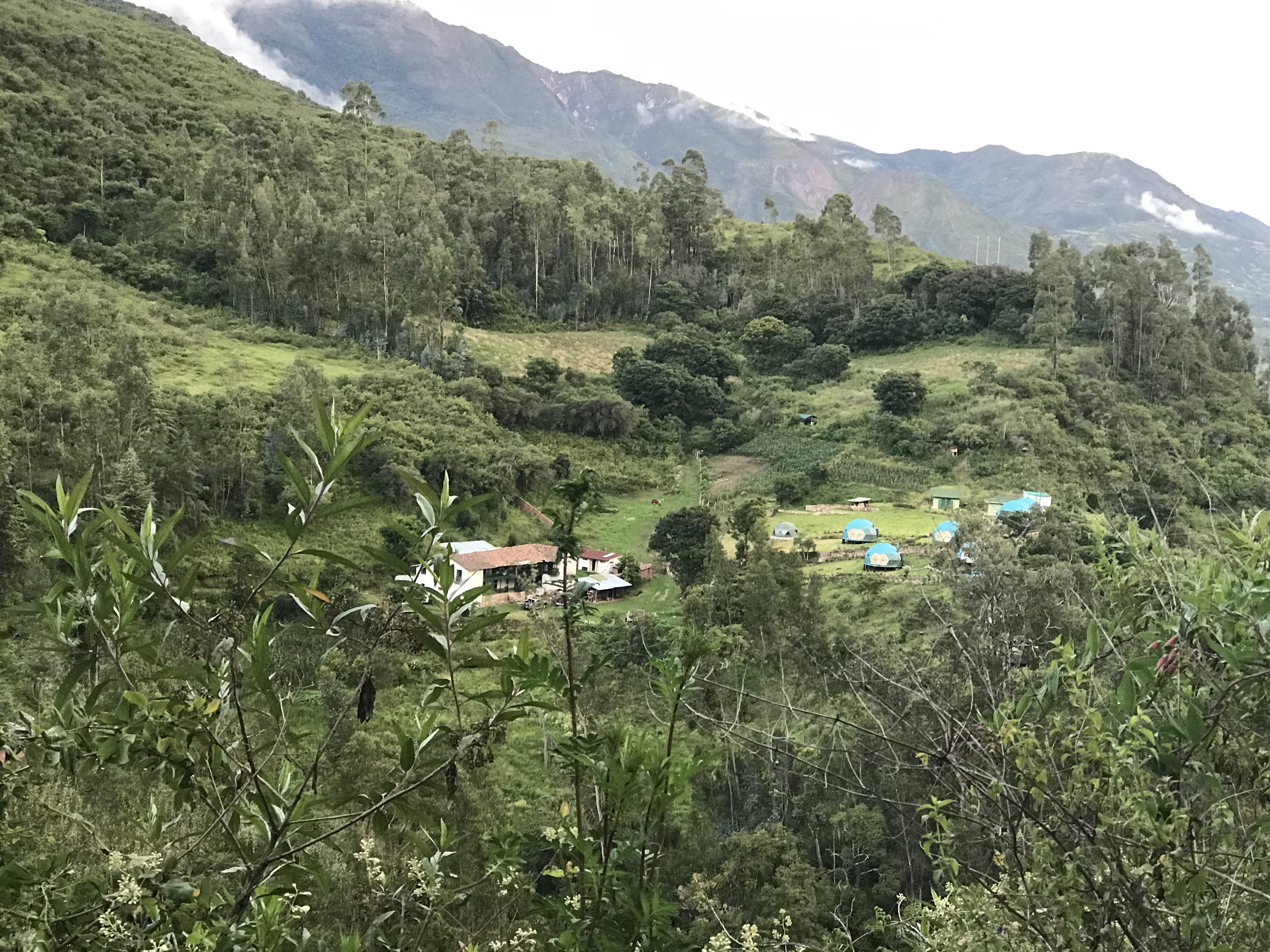
From Chonta our driver took us via the town of Mollepata to our first Eco Camp Pincopata. Our first sighting of the ecodomes nestled in the hills thrilled us. On arrival we were greeted by the staff, a lovely tea and escorted to our domes
1JbNq4qzRlOL1vZ40GlYGA

Home Sweet Dome:

The Peruecocamps promised to offer a luxurious camping experience…and glamping it was!!!

Beautifully appointed, comfortable beds with exceptional linens, full private bathrooms, and inviting wood burning stoves, we had dropped into the lap of luxury in the heart of the Andes Mountains. Gushing over our new accommodations, and after a lovely hot shower, we joined Johann in the ecodome dining room to enjoy a lovely dinner of local Andean food. The camps all have gardens and the kitchen uses local fresh produce from the gardens and local farmers. A lovely glass of wine for me and a Pisco Sour for Rachael and we ended our first day happy we had come across this adventure.

After a lovely breakfast the following morning, and a drive further northwest, we left our driver and car and started our second hike with Johann. The day threatened to be a wet one and we donned our new ponchos (bought in Cusco at Johann’s suggestion) and started our hike. While this hike was labelled as easy to moderate, I experienced it as moderate to difficult. By this time, I was beginning to understand the difference of a 4,000 ft difference in elevation. My hikes in the Canadian Rockies were probably all under 8,000 ft—below 8,000 ft there are no high-altitude effects. But at 11,000 to 14,000 ft—the territory we were now hiking in – altitude sickness symptoms kick in. I was experiencing much more difficulty in catching my breath and keeping a normal hiking pace. Truth be told, I was probably also much less fit and several years older than the last time I hiked in the Rockies—all of which was impacting my ability to climb. Rachael and Johann were clearly not struggling as much as I was. We hiked the morning and into the early afternoon, but were not able to complete the ridge walk which was to take us to our destination at the second camp. Nevertheless, it was an exhilarating day… a fair bit of rain as well, so several clothing changes before we headed back down the mountain to be collected by Jose.

We arrive wet and tired to our second camp Soray Ecocamp (12,693 feet). The accommodations at Soray were just as elegant and comfortable as Pincopata.

Although both Rachael and I felt the effects of the high altitude (difficulty breathing, light headedness, mild headaches and sleeping challenges) we did not suffer severe altitude sickness. Our guide was very mindful of our water consumption, pace and energy level so we attributed our wellness to his careful watch over us.

After a rest, we headed off again to hike down the valley towards the Salkantay Pass, hoping that it would be clear enough to catch a glimpse of the Salkantay glacier. I chose to photo the fauna and flora near a rushing stream and Johann and Rachael hiked upstream—regrettably the valley was socked in so no glacial vistas.

Humantay Glacial Lake

The next morning over breakfast we discussed our upcoming hike. As we were now above 12,000 feet and hiking up to just under 14,000 ft I was quite nervous about my ability to manage the hike. Johann, as ever attuned to moods and my nervousness had the solution. He had arranged with a local to have a horse and guide accompany us—meaning once I got into a challenging section of the hike, I could choose to ride.

Hiking nerves under control, we set off at 7 am. Johann wanted us to be at our destination, Humantay Lake at the foot of the Humantay glacier by 9:30 am. He indicated the hike to the lake was a popular destination and by 9 am hordes of people would be starting their climb. He wanted us to experience the glacial lake with no other hikers. I hiked until I could see the steep terrain ahead of us and as suggested I mounted the horse and had an awesome experience trail riding up the fairly steep mountain.

Once we crested the cut into the small valley at the base of the glacier we were charmed by the turquoise blue glacial lake.

lSPSql87SP2+2tAQSXMhsQ

As promised by Johann we got to sit in total silence drinking in the beauty as the clouds circled the mountains giving us on again / off again views of the spectacular glacier at the far end of the lake.

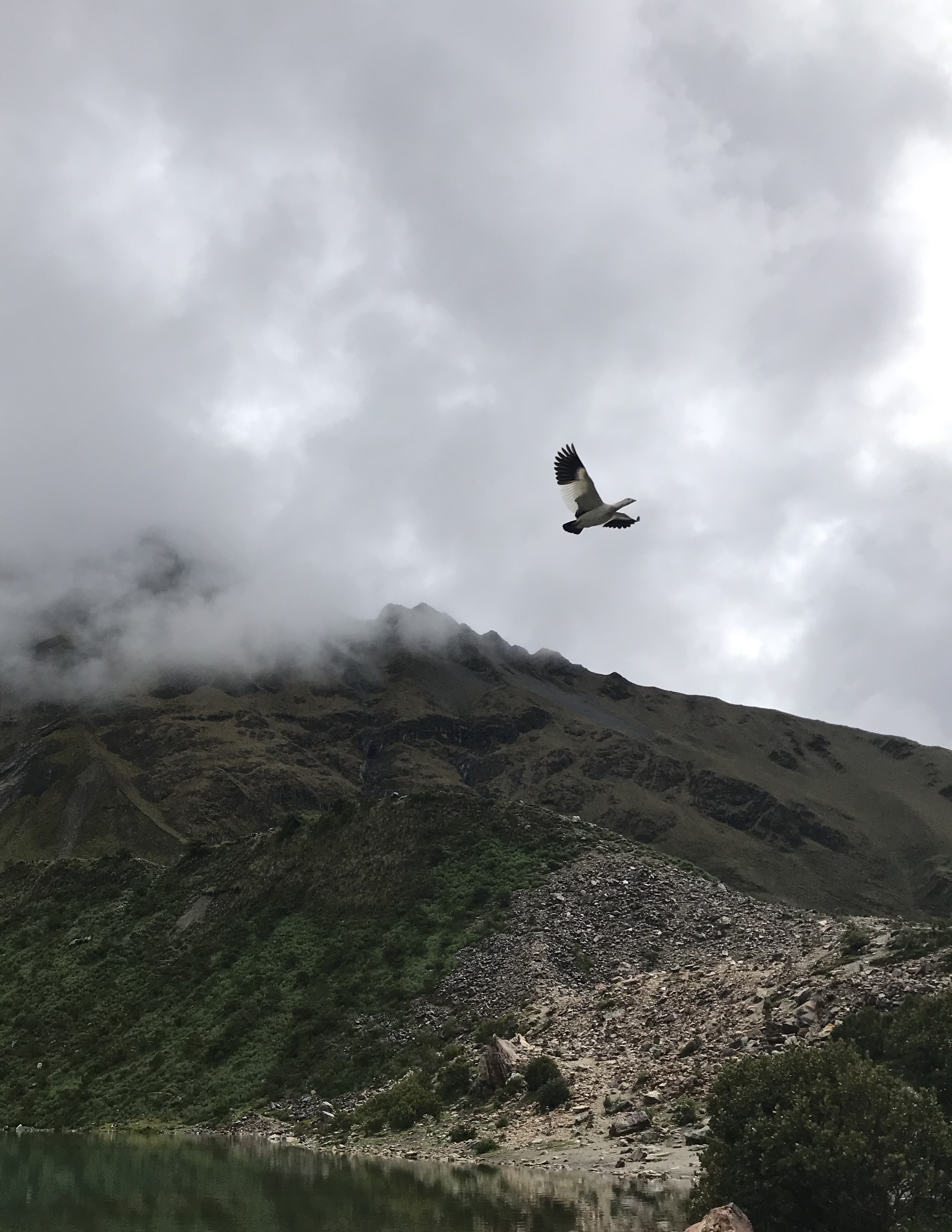
At one point we saw two large black and white birds at the far end of the lake. Having spotted them Johann began one of his many narratives on the native wildlife and the Quechua people. The Quechua Indians of the Central Andes are the indigenous Andean population we mistakenly call the Incas. Johann told us that the Incas were not a people—the Inca was the name of the King. The Quechua existed in the Andes a century before the arrival of the Spanish. They were a highly civilised and developed nation (more to come on the Quechua people when I blog about Machu Picchu)
fullsizeoutput_ab12

So back to the ‘bird tale’. As one of the birds soared over head, Johann reported that they mated for life and were found high in the Andes returning to their nesting grounds year after year. In his quiet telling the narrative looped into a story about how the Quechua people also mated for life. The choice of mate was an extremely important one … divorce did not exist… life was hard in the Andes and families were deeply involved in the selection process. The woman and man can choose their partner, and initially practice a trial marriage (this is still the case in the mountain regions of Peru today). During the trial period (lasting a year or more) the couple live together; the families check out the man or woman ensuring they are up to expectations—if all goes well the couple then get formally ‘married’ –but they have the choice to end the relationship during this trial period.

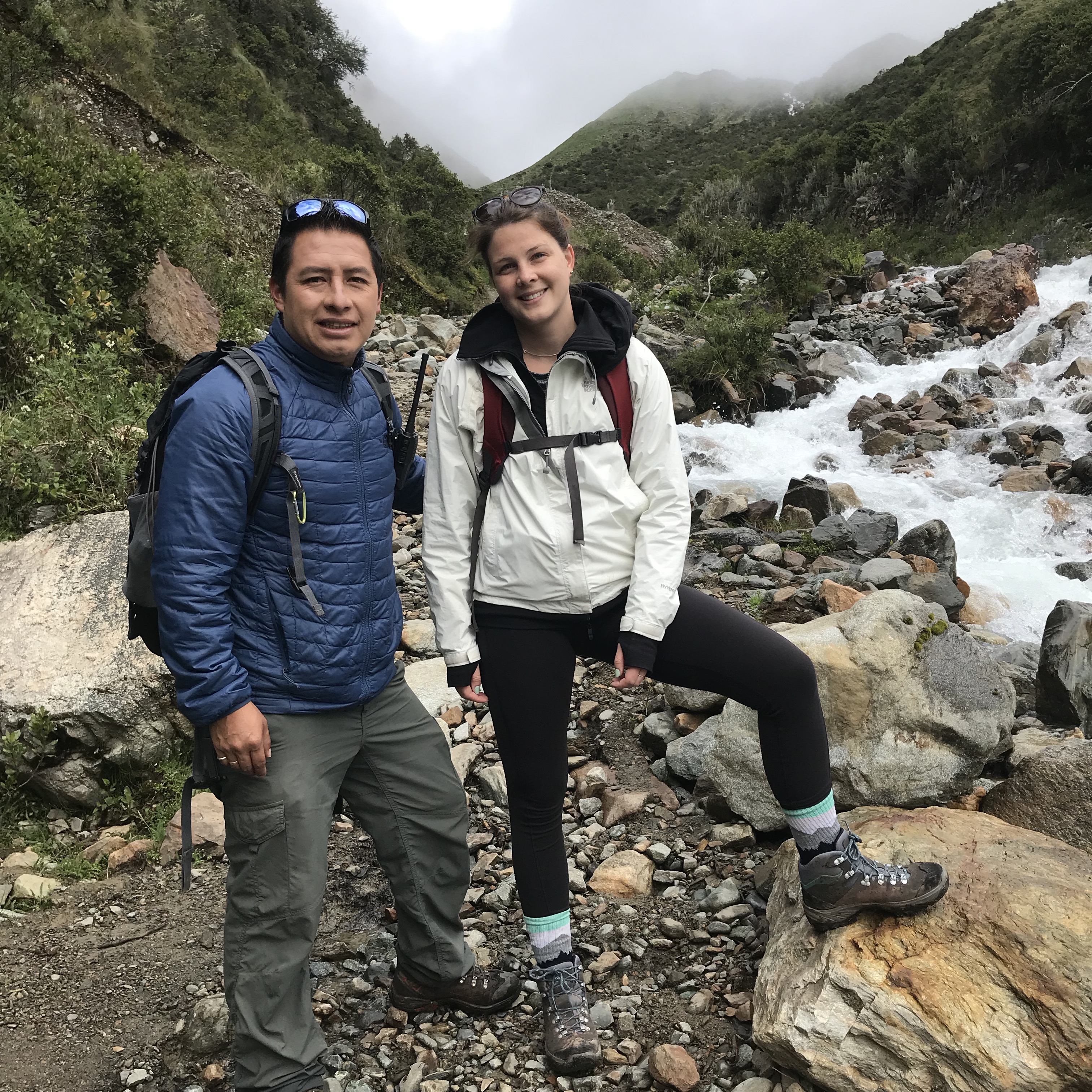
Throughout our time with Johann he would weave the stories of his people, the history of the culture, the fruits and  ways of the land into our walking and dining experience—it was charming… a rock, a bird, an animal, a local,  an entrée, a mountain or sunbeam would unlock another of his narrative sketches— by the end of our week with him, we had a whole canvas of  legends, traditions and folk tales of the Andean culture, its food  and its people.
4o6iL%7MRcqXVPi%zkx56A

Johann our guide

Several hours later having returned to Soray Camp, dined on a lunch of local produce, Jose our driver took us back to our first camp Pincopata. We had hoped to take another short hike but the rains had washed out the road to the area. Johann and Jose took us on a rather interesting cultural trip.

Earlier in the week we had passed a small group of local Andean farmers standing at the side of the road having a break.  The Quechua farmer in the high Andean communities starts his and her day at four in the morning. Most Quechua rely on subsistence farming for their livelihood. They hike up the mountains with their primitive wooden farm utensils to their farmland—terraces on the steep Andean slopes. We hardly ever saw animals or vehicles being used in their farm chores. Labour intensive their approach to farming was time consuming and tiring. By 10 am they were ready for a break. Johann informed us the morning break drink is chica,once a sacred drink of the Inca.

 The Chica Bar

Given we could not hike, Johann and Jose decided to take us to a local chica bar, a local speakeasy that serve the ancient fermented corn beer.  A chica bar or chicaria signals that they are serving the drink by hanging a pole with a red orange flower made of plastic bags. Indeed, we had seen these plastic creations driving through the Andean hamlets. We entered the bar through a side alleyway and found ourselves in a most unusual bar. Open to the outdoors, dirt floors, an adobe oven, makeshift benches and all manner of plastic containers simply scattered about–truly a disordered messy cluttered environment. Wooden benches and tables, old political posters on the walls and sitting amongst all this a few of the local farmers and the woman who made the chica greeting Johann and Jose warmly.

For a few sol – about 80 cents we received a glass of the chica. It was a yellow muddy drink served in a big beer glass.   All chica de jorastarts with a yellow corn, goes through a series of methodical germinating steps taking the better part of a day and a half.  The bar woman begins the process every day and has ‘fresh’ chica to sell to the local farmers by mid-afternoon. They will come to enjoy a few glasses and then take liters of the chica with them to consume the next day while they are tending their land.

Chica production is the work of women. Our bar woman was taught by her mother and she is one of many generations running this bar. Rachael and I, somewhat skeptical of the taste and wisdom of consuming a drink fermented in these conditions, shared a glass of the brew. Johann again provided the colourful tale of the history and stories of the Chica. Rachael was instructed to first pour some of the brew on the dirt floor as thanks to Pachamama or Mother Earth.  Chica is always first offered to Pachamama signifying thanks for the fertile land.

The drink was a bit sour, fairly murky at the bottom (we only drank the clearer top layer). We decided it was like a corn cider. Nodding greetings to our other bar mates we smiled and laughed and drank in the rather unusual ‘bar environment’.

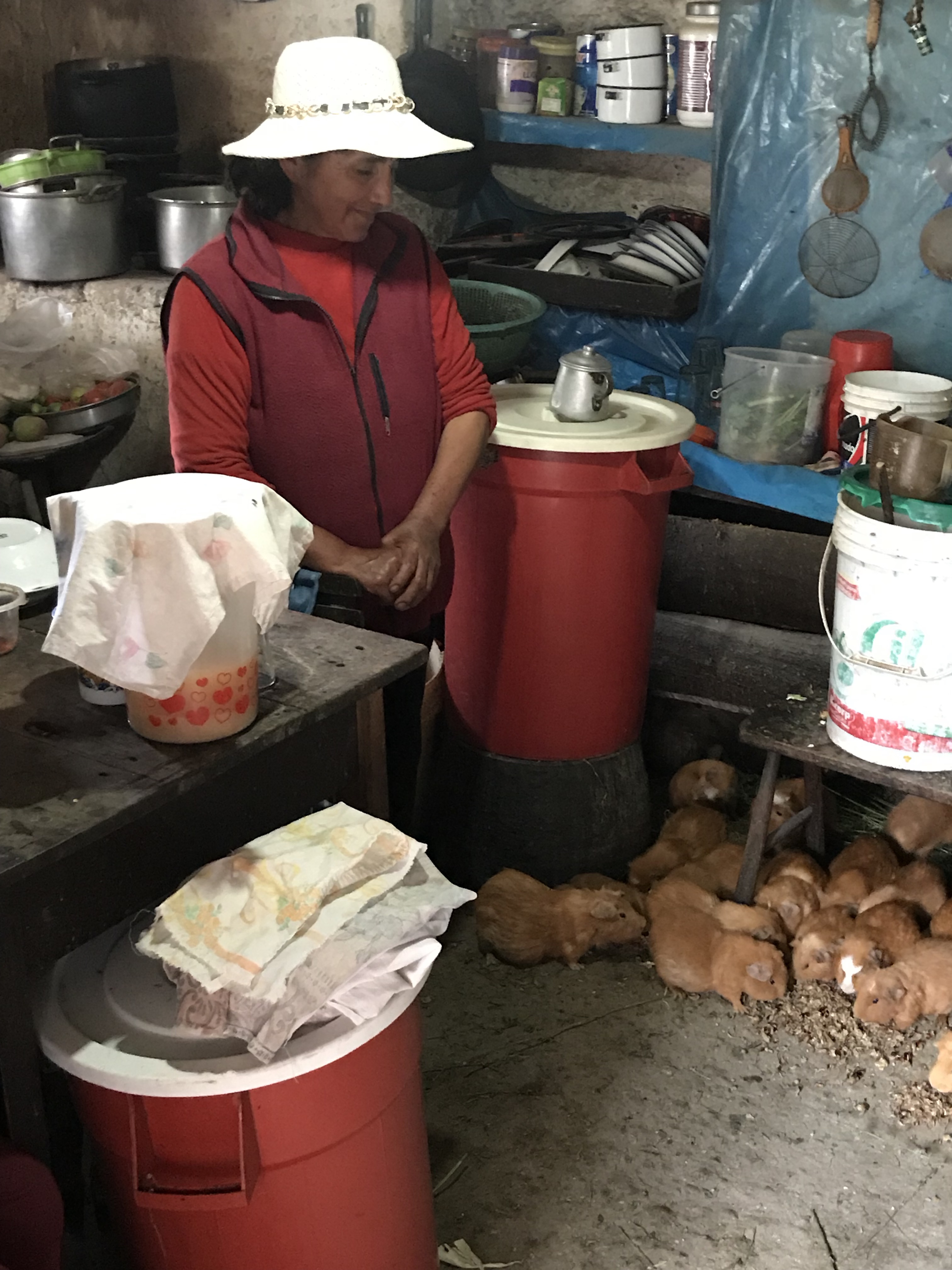
After a time, Johann invited us to join the brew mistress in her kitchen…. Primitive and rudimentary indeed!!! A noise in the corner pulled our attention to a horde of small animals on the floor… it turns out there were about 30 guinea pigs running free in the kitchen. Oh MY!!
iIzq11e9R%avD59vNJVOJg

Guinea pigs are considered a delicacy in Peru. They are the preferred dish for festivals and holidays.  They are served crispy complete with head, legs and eyes. Rachael and I loved and consumed many Peruvian dishes…. Guinea pig was not one of them.

The Guinea pigs are raised in the house and provide a productive use for kitchen scraps and discarded foods—the Chechuan alternative to our green bin. And indeed, that is what the guinea were doing in our brew master’s kitchen, consuming the remnants of the chica corn mash.

This bar atmosphere is one Rachael and I will long remember. Not sure that for either of us chica will replace a lovely gin martini though.

I will end this blog instalment here.  Our time in the peru ecocamps was truly an amazing experience. Raul Montes, whom we met, is the owner and founder. Born in Cusco and having worked as a guide in the region, he wanted to create a different kind of tourism. His website states

“I began to formulate ideas of a socially responsible, adventurous trekking tours for the upscale traveler –the first of their kind in the Andean region of Peru.

 PeruEcocamp has been conceived to bring travelers to the Mount of Salkantay area, while ensuring the social well-being and economic development of local communities.We are now living the Peru Ecocamp dream, and we are looking towards a future filled with enormous possibilities, as the very first project of this type in Peru. Our concept is one that prioritizes concern for the environment, coupled with eco-friendly development that is sustainable over time. Our goal is to benefit our strategic partners, while at the same time working on skills building and job creation initiatives for the local communities who form part of the Peru EcoCamp family.

Our destination the next day was Machu Picchu. That story requires a full blog on its own. So more to come.

E2ZKkKbARsyXJ7evUAksXg

The Memorial to the Berlin Wall is situated in the western part of Berlin. While the centrally located Checkpoint Charlie has become a kitschy over the top tourist site, the Memorial has been thoughtfully designed and delivered.

My first view of the Berlin Wall Memorial occurred on my first day in Berlin as I was taxiing to my Airbnb apartment. I noticed an interesting wall of tall steel posts that stretched along the road. Almost immediately I sensed I was looking at the former wall. This section of the wall is very close to my apartment and so the next day I took a walk.

While there are two buildings to visit if you wish (the Visitor Centrum and the Berlin Wall documentation Centre), I found the best way to experience the Memorial is to simply walk the exhibit. It stretches for about 8 blocks.

As you walk the wall you see that ‘die Berliner Mauer’ cut right through a living, breathing neighborhood.

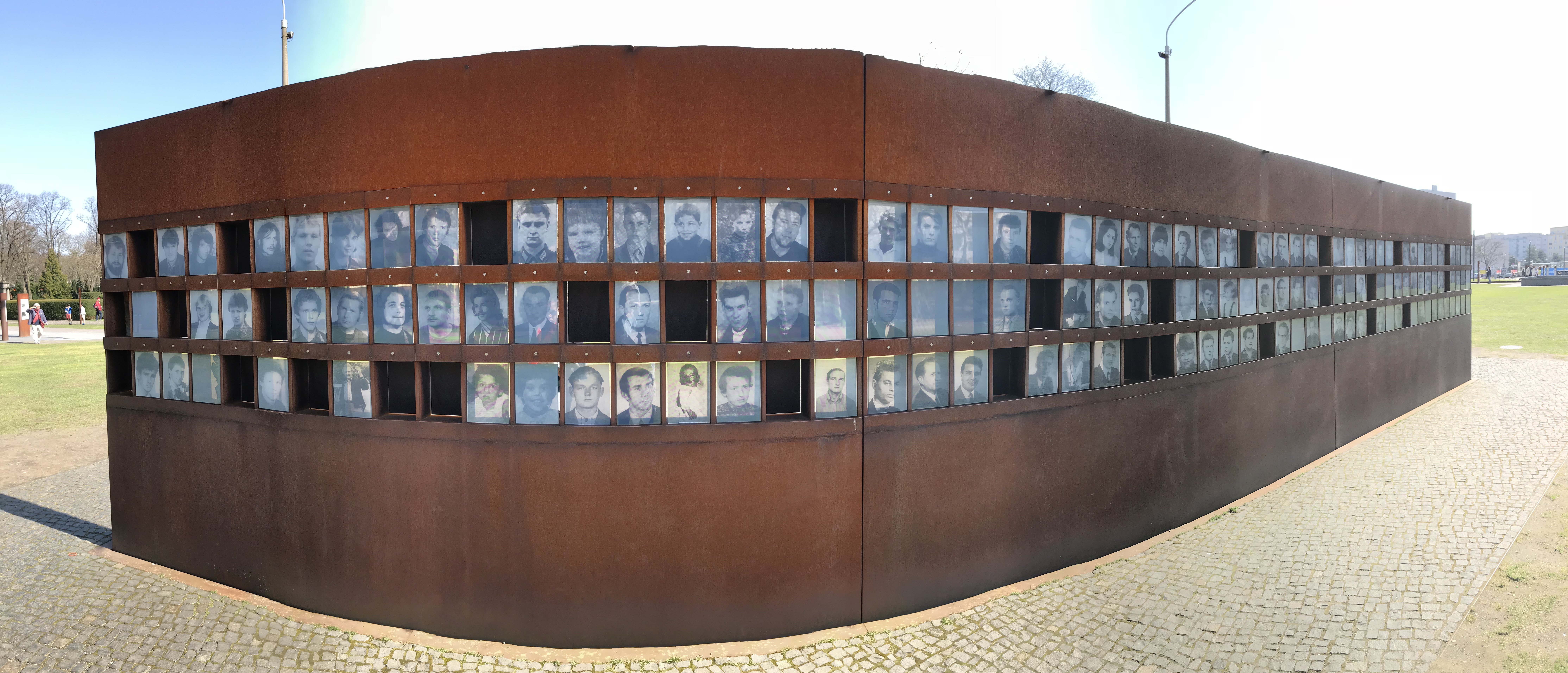
The installation is a very thoughtful and thorough representation of the wall, its physical, emotional and psychic impact on a divided Berlin. The line of steel posts as well as a surviving intact portion of the ‘wall system’ deliver a punch as you consider how it divided a former neighborhood.

As you walk the wall path, you find other posts—they contain photos, written documents, and recordings which provide actual stories of those who lived in the area during the 60s-80s, how the wall was built, how the wall fell, the timeline and details of the ‘wall system’, the attempted escapes over the wall as well us through underground tunnels.

3sUIf4n9SIu5Pjs6HX5jow

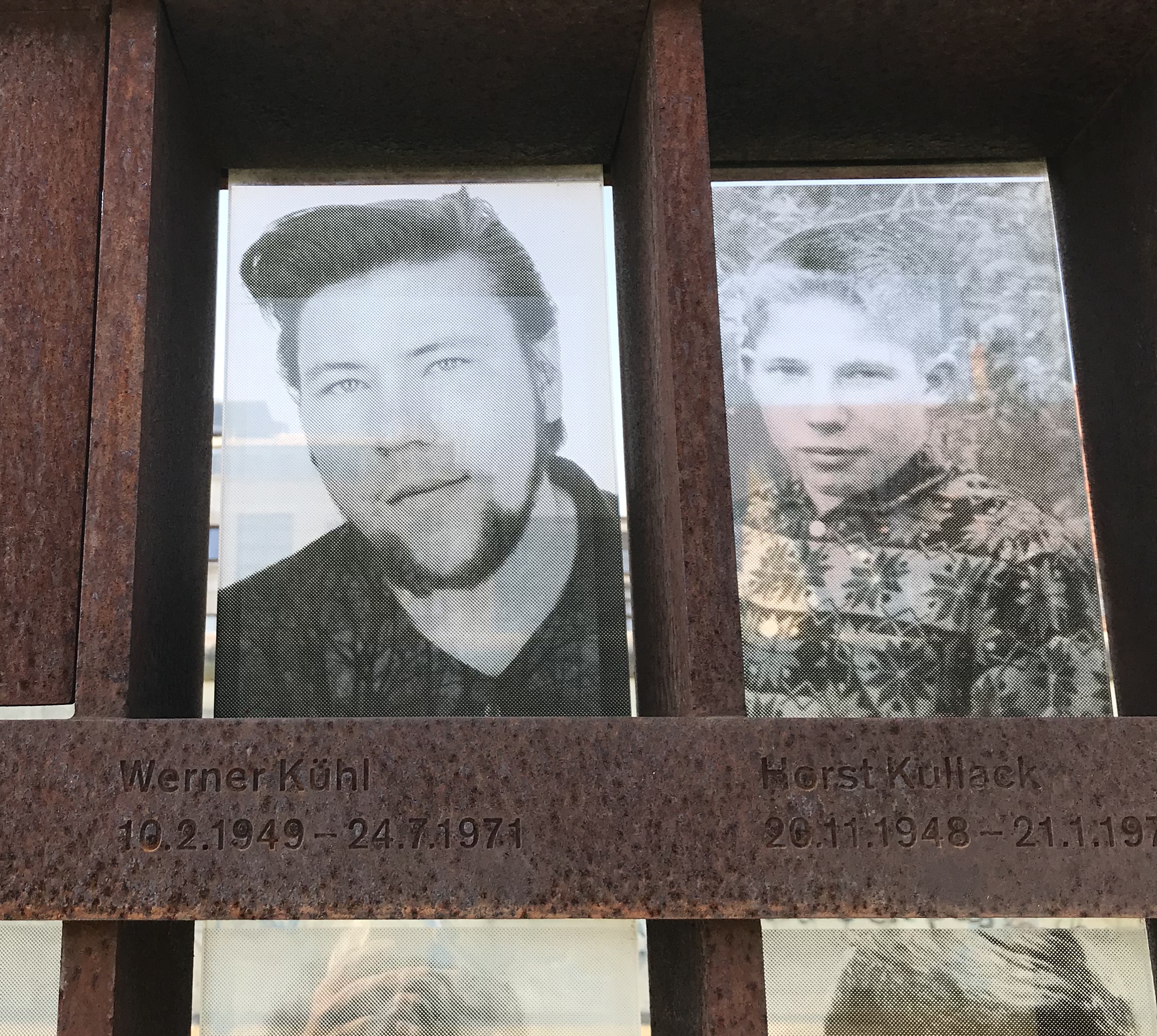
The Window of Remembrance monument presents those who lost their lives in attempting to escape from East Berlin. The black and white photos, the dates of their birth and the date of their deaths at the wall hit hard. While there I found a picture of a young man Werner Kuhl ( the one on the left below), born within a year of my birth, who attempted to escape the year that I visited in 1971.  Hard to grasp that the wall took his future.

fullsizeoutput_9092

The first defector to escape across the Berlin Wall was 19-year-old East German border guard Corporal Conrad Schumann, who was immortalized on film as he leapt over a 3-foot-high roll of barbed wire just two days after East Germany sealed the border. At that time, a simple roll of barbed wire had been erected..he simply pushed a portion down each time he walked that part of the border on his patrol walk. Signaling to the West German police his intentions, who called the press, he eventually jumped and made his escape.

fullsizeoutput_9093

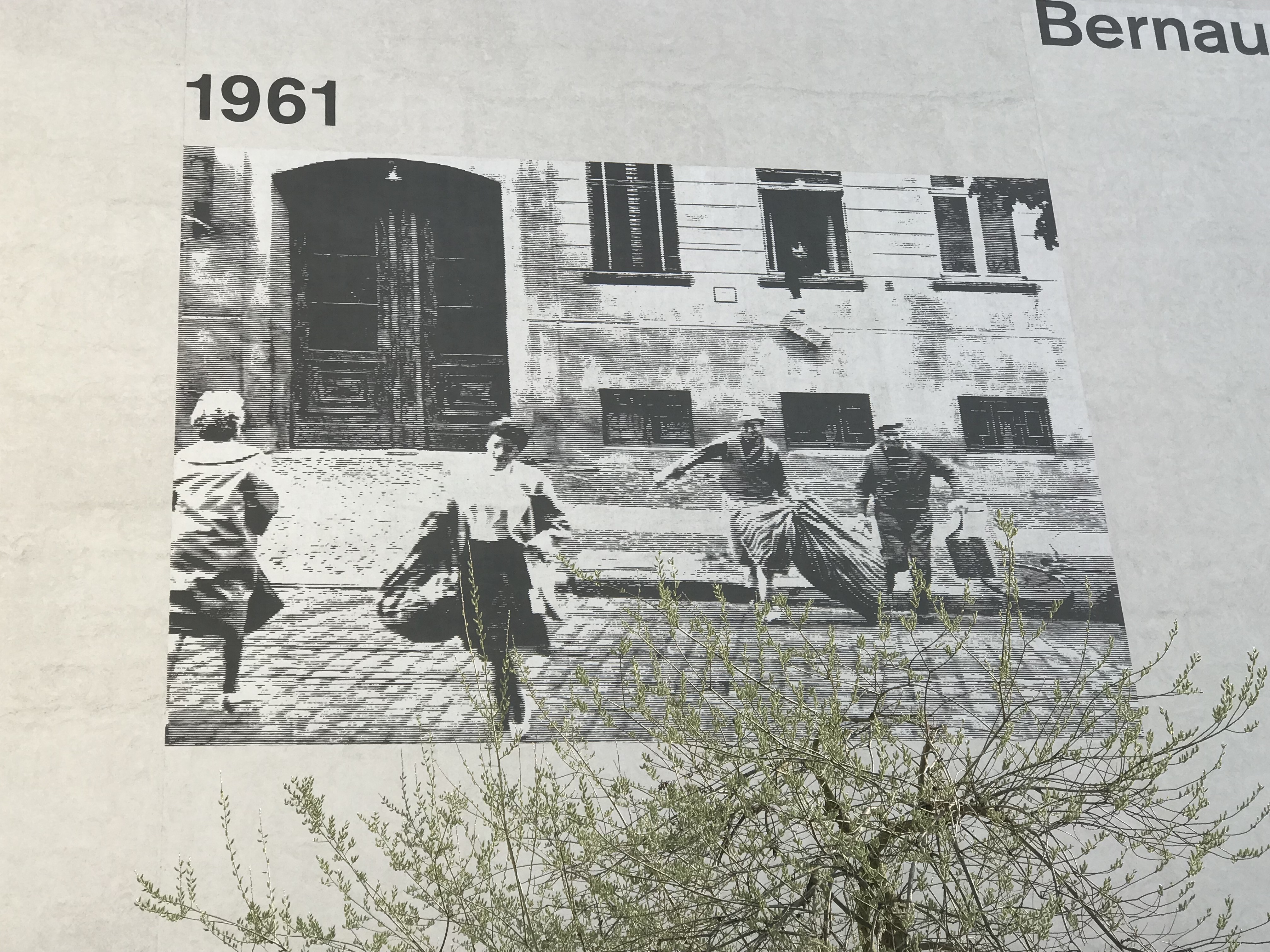
His photo is memorialized on the wall of the building along the ‘mauer’ walk.

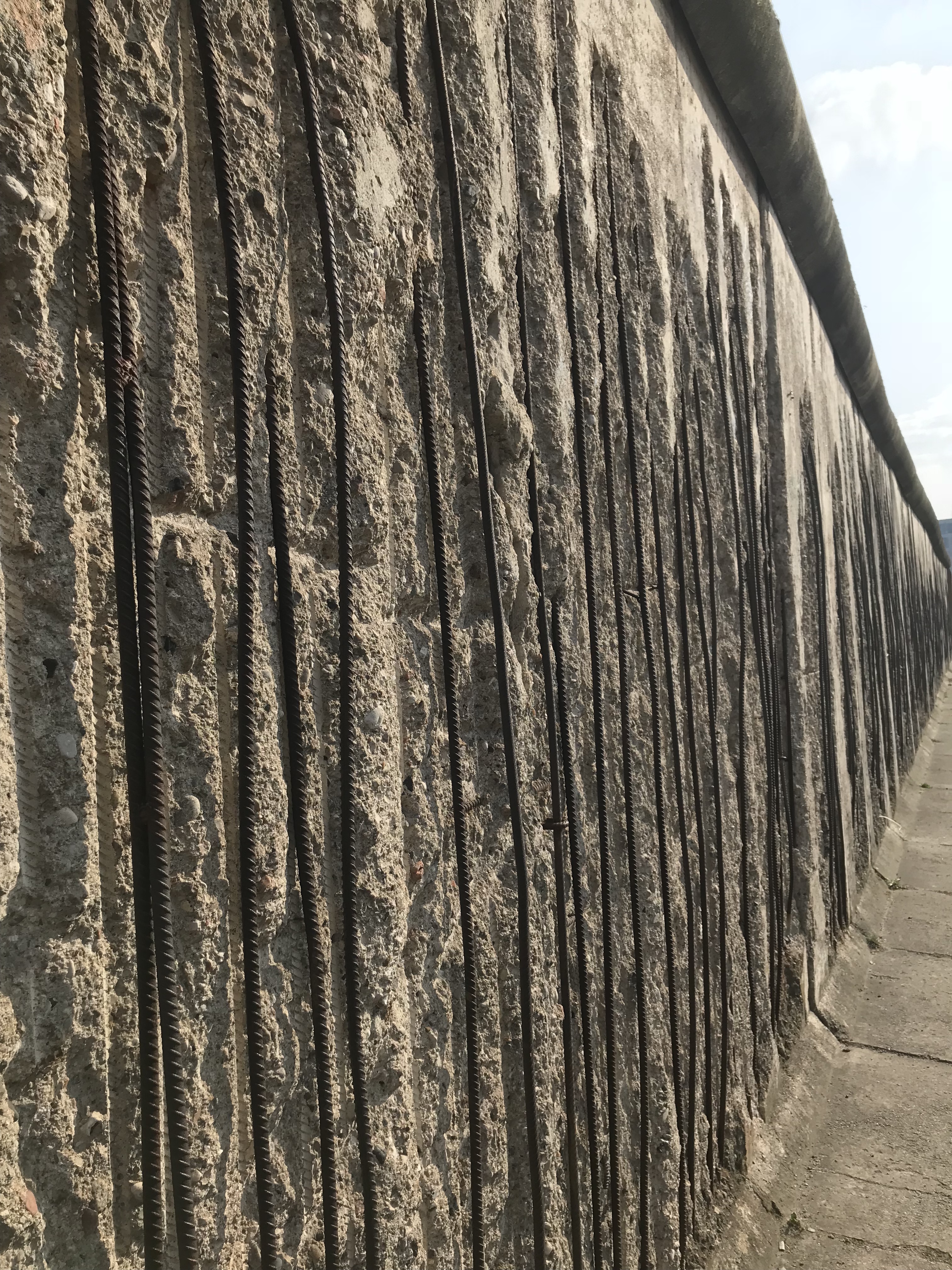
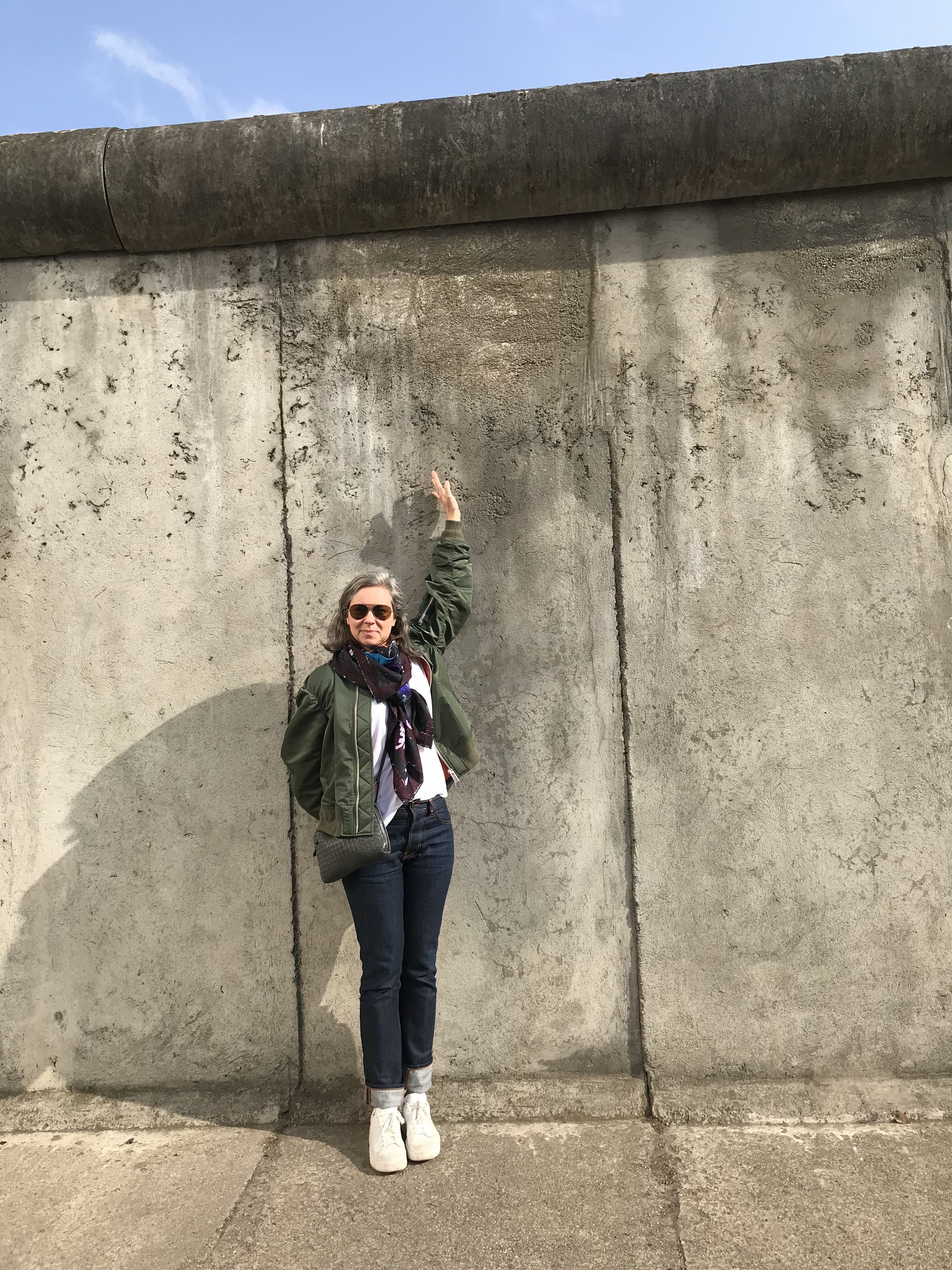
Over time considerable additional barriers were erected by East Berlin border patrol to stop the flow of East Berliners fleeing to the West.  Eventually, s 12-foot-tall, 4-foot-wide mass of reinforced concrete was topped with an enormous pipe that made climbing over nearly impossible.

ry4fg9KhSKml5nH0szc4Rw

Behind the wall on the East German side was a so-called “Death Strip”: a gauntlet of soft sand (to show footprints), floodlights, vicious guard dogs, trip-wire machine guns, anti-vehicle trenches and patrolling soldiers with orders to shoot escapees on sight. The Mauer Walk provides a real insight into the size of the strip and difficulties it presented to escapees.

0u04vuzFTtatu5TSxNlaggGyVs2LLQT0er2qN7IwBXig

At least 138 people died trying to cross the border. While some did make it safely across, it is unclear how many people exactly reached the western part. Some estimates claim that 5,000 East Germans reached West Berlin. Many of these occurred early on in the mass escapes.

The first victim was Ida Siekmann, who died on August 22, 1961, after attempting to leap to a West Berlin street below her fourth-floor East Berlin apartment window.  Others who did leap out of buildings were caught by West Berlin fireman. The last fatality occurred in March 1989 when a young East German attempting to fly over the wall in a hot air balloon crashed into power lines.

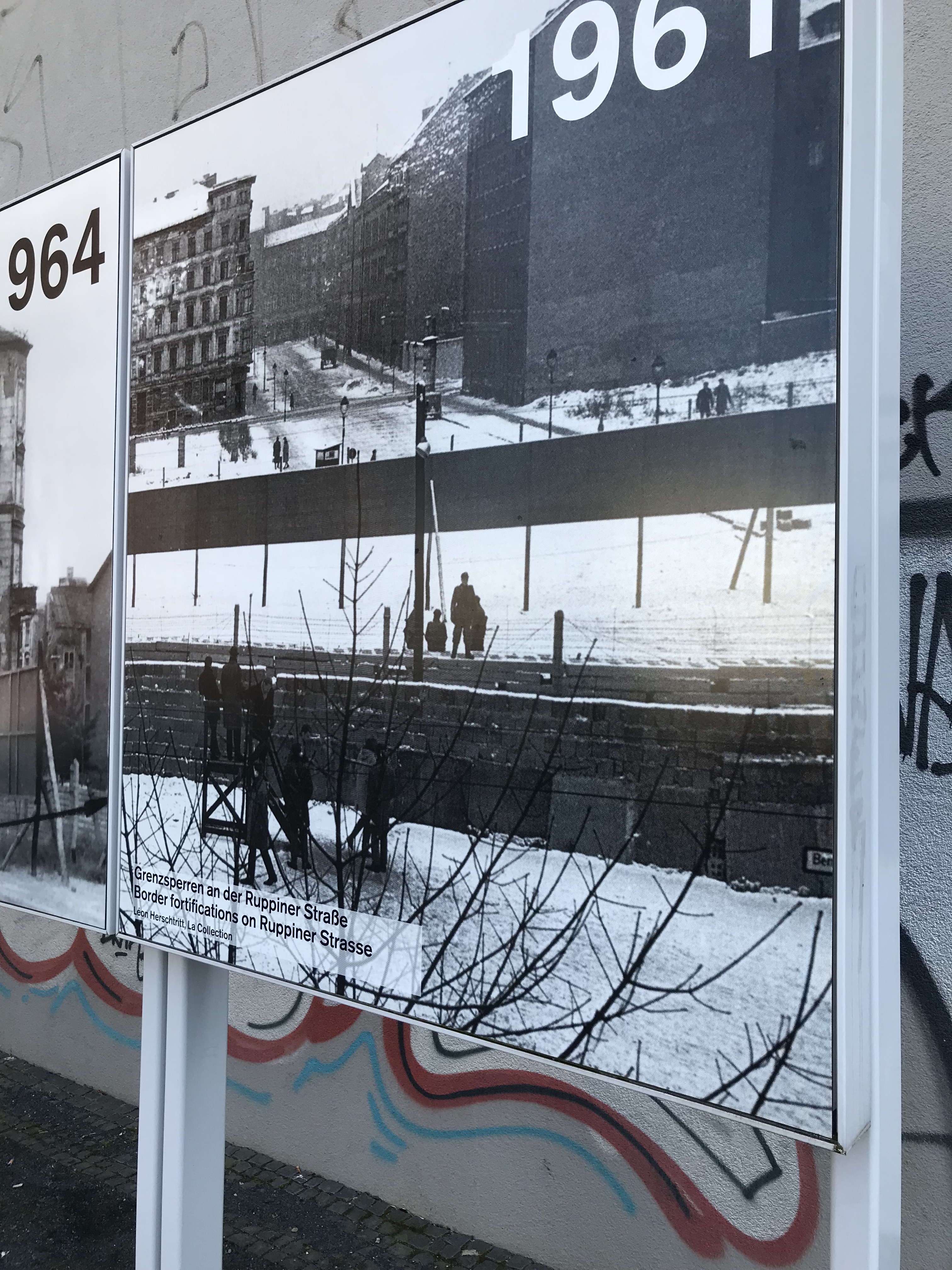
Large photos of escapees, the former wall and the neighborhood on the side of building walls along the path provide a clear depiction of various stages of life during the 28 years the wall separated Berlin.

The picture above on the right, really impacted me. You can clearly  see a mother standing on a chair, holding up her daughter…perhaps you can’t see it but far off in the distance on the right side is an old woman, mother of the woman and granddaughter to the child, waving back. Families separated by a wall and the ‘death strip’. Pictures on the left show other West Berliners, standing on ladders waving to friends and family.

One of the most impactful memorials, deals with the effect of the wall on those who lived on  Bernauer Strasse. This street, the heart of an urban space, was cut in half by die Berliner Mauer. It separated families, friends, and people from their local shops. On the morning of August 13 1961, neighbors awoke to a barbed wire fence running through their kieze, and many were cut off from streets they always traveled. On Bernauer Strasse the border ran directly in front of their homes. Residents in these buildings initially walked out their front doors to freedom, and after the eastern guards evicted the first floor residents, they jumped out of the 2nd and 3rd stories—some seriously injuring themselves—the first ‘wall’ fatalities occurred here. Overtime, all the residents on the east of the border were evicted, all windows and doors bricked up and eventually they were destroyed . The East Berliners in this area continued their resistance and attempts to escape… they built escape tunnels, they scaled the walls and ran the ‘death strip’. This neighborhood conveyed the lack of alignment between the population and the East German leadership.

In the picture on the left the path of the escape tunnel 57, named for the 57 people who escaped through it. I was surprised at the number of tunnels built yet the lack of success in making this a real way of escape.

The picture on the right shows the foundation of one of the Bernauer Strasse houses that were destroyed after its owners were evicted. The green space beyond had been a row of apartment blocks housing businesses and families.

Not surprisingly, on the night of November 9 ,1989, the first segments of the ‘wall’ were knocked down by the citizens at the crossing between Bernauer and Eberswalder Strasse, creating the first free crossing between East and West Berlin. On that night the head of the East German Communist Party declared that East German citizens could cross the border whenever they pleased. It was expected that an orderly bureaucratic approach to the new access would be developed. This did not happen. On hearing the news, ecstatic crowds swarmed the wall, crossing the borders, taking picks and hammers to the wall. I expect many of those reading this blog may well remember the pictures of the triumphant crowds on the wall in front of the Brandenburger Tor. Over that following weekend more than 2 million people crossed the borders, visiting family, friends and neighborhoods they had not seen for 28 years. Berlin was one awesome street party, united for the first time since 1945!!!

One year later the reunification of East and West Germany occurred. On October 3, 1990 Germany finally became one country again.

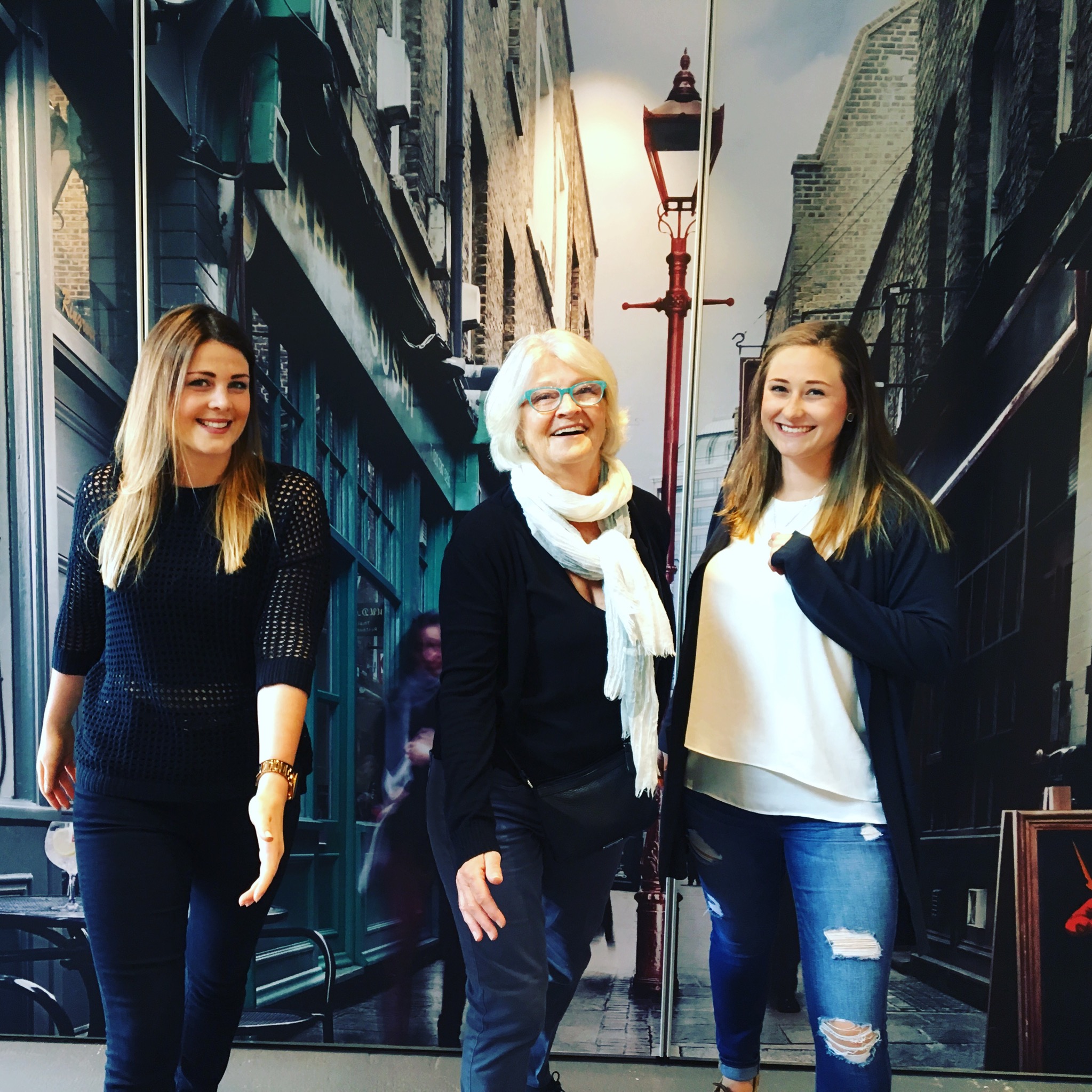
The day after arriving in London UK to visit my daughter,  I received the following agenda for GERI’s Gin Tour of London.

As many of you know I love Gin and Gin Martini’s. Last Christmas my daughter gave me the gift of a Gin Tour of London—I simply had to come and visit her to collect it!!!

I had no idea it was going to be so amazing!!!

IMG_0020

The Invitation

11:30 – 12:30 Beefeater Distillery Tour : http://beefeaterdistillery.com/shop/11-30am-14th-may-2016/?attribute_date=14-may-16-1130-am&date=1463221800

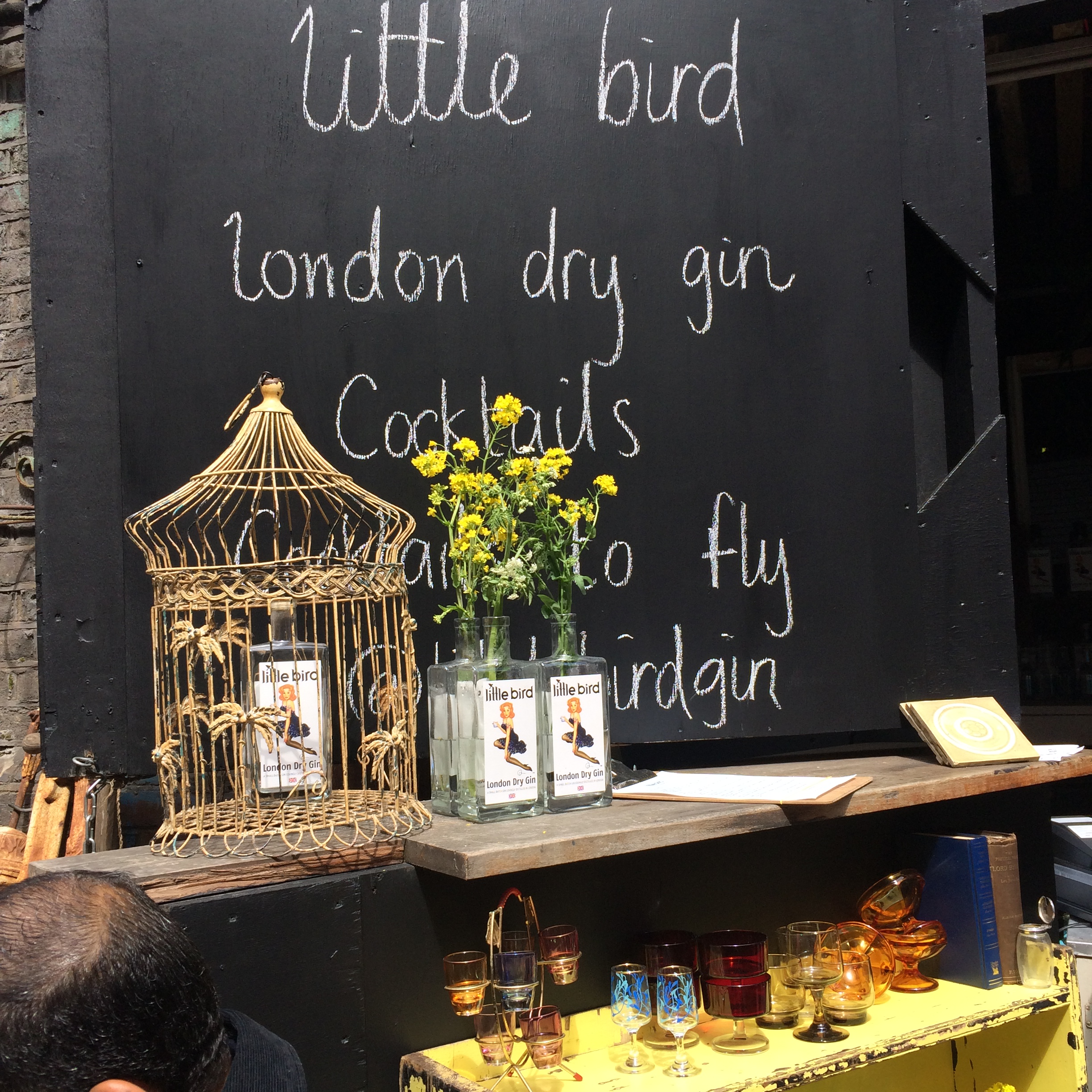
1:00 – 2:30 – Maltby Market – Little Bird Gin http://www.littlebirdgin.com/#contact

LUNCH in the market

2:30 – 3:00 Maltby Market – Jensens (potential tasting or browsing)

3:30 – 5:30 You must choose:

Holborn Gin Bar – Largest gin bar in London http://www.holborndiningroom.com/reservations/

6:00 London Distillery – Charcuterie and Cheese dinner –http://www.cityoflondondistillery.com/our-bar/

8:00 Jamboree Live Music – PLATYPUS + THE STRING PROJECThttp://www.jamboreevenue.co.uk/events/black-snake-blues-presents-platypus-the-string-project

Be sure to wear your walking/dancing shoes!!!

The Experience:

 Daughter Rachael, niece Madi and I set off bright and early for the Beefeater Distillery for a tour of London’s oldest gin distillery. It is a very small distillery and I had a hard time believing that all the Beefeater gin was distilled in only about 12 stills. But they claimed it was!! The output from the distillery is 80% alcohol, it takes about 2 days to make and is then shipped off to Scotland where they add pure Scottish water and bottle it for shipment all over the world.

For those of you not familiar with Gin, it is a spirit which derives its predominant flavour from Juniper Berries. It became popular in Great Britain when William of Orange, leader of the Dutch republic occupied the English, Scottish and Irish thrones. Genever, as gin is known in Holland, is a favourite of the Dutch….so I also come by my fondness for gin through my dutch genes. In addition to the key juniper berry ingredient, different gins and styles  are created by using other botanicals  ( coriander, angelica, orange, grapefruit or lemon peel, cardomon, cinnamon, grains of paradise, other berries, licorice—the list is endless, creating endless varieties of glorious gin. Typically a fine gin should contain 6-10 botanicals. However one of my favourite gins from Liberty Distillery in Granville Island in Vancouver uses 24 BC botanicals and berries. London Gin must have a strong juniper flavour.


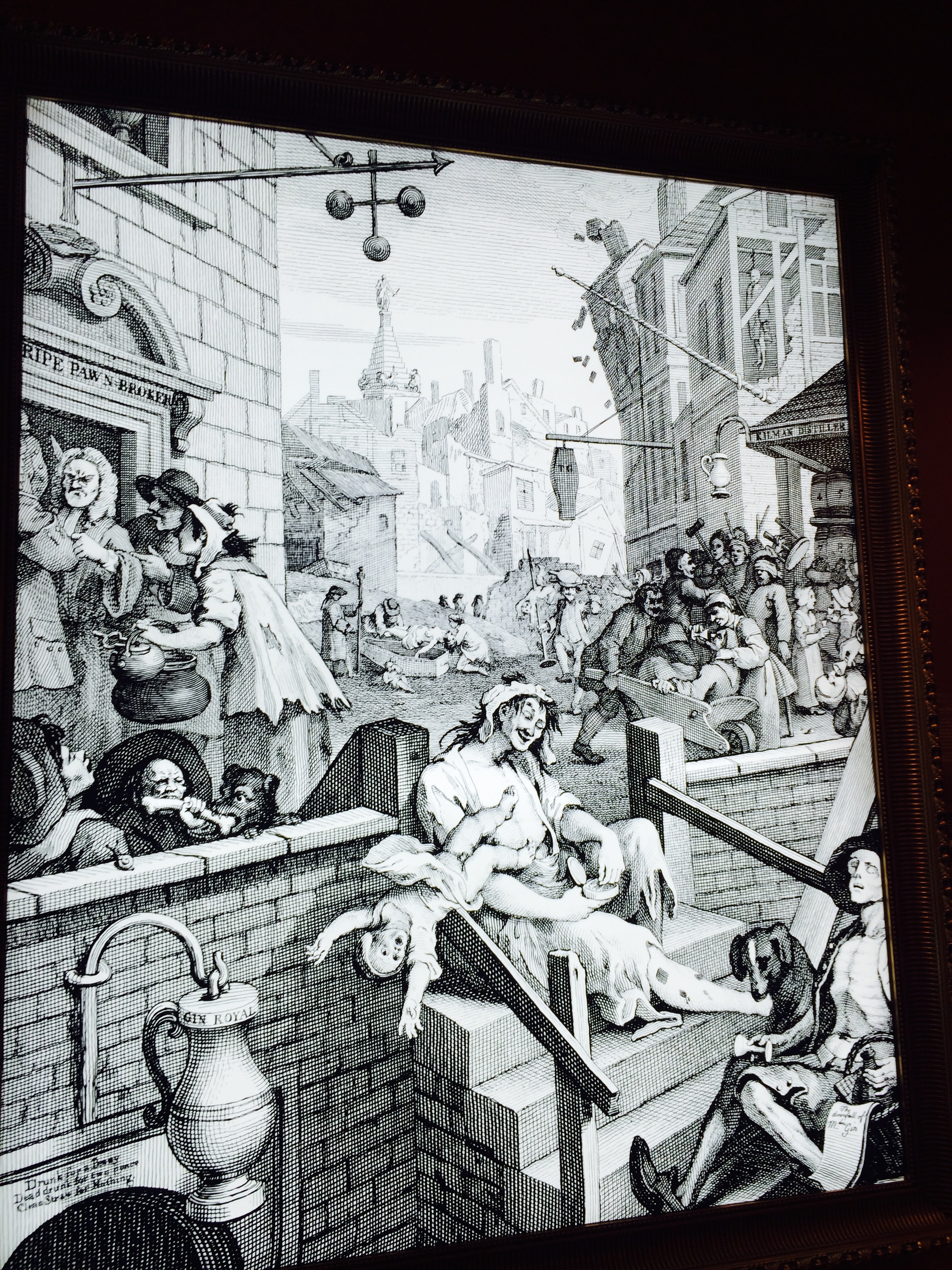
London has had a long and tortuous relationship with gin. A Gin Craze swept 18th century London. In over-crowded, slum ridden Georgian London, gin became the opium of the people. For a few pennies, London’s poor found entertainment, and escaped from the cold and hunger at the bottom of a glass. It is said that in 1730, an estimated 10 million gallons of gin were distilled and sold from 7,000 dram shops. This would have meant that an average Londoner drank 14 gallons a year—I know I love my gin—but that is staggering consumption.

No wonder Rev James Townley (1751) pontificated that

Gin, cursed Fiend, with Fury fraught, Makes human race a Prey. 

It enter by a deadly Draught And steals our Life away

What really put gin on the market was the duty on imported spirits during the end of the 18th century when England was at war with France. Restrictions were lifted on domestic spirit consumption—creating a rich source of tax revenue and a healthy market for domestic grain growing landowners as un. The effects on its people however was devastating—gin was blamed for misery, crime, prostitution, higher death and birth rates and madness. It seems during this period cheap low grade gin was more likely to be flavoured by turpentine than juniper.

IMG_7290


The satirical well know print by William Hogarth ‘Gin Lane’ depicts the sins of gin and links the grubby reputation that gin has had for many years as ‘mothers ruin. He contrasts the ill-advised consumption of gin with the healthy consumption of British beer  in ‘Beer Lane’. The government of the day tried to control the gin excess and rein in an unregulated industry, but the craze really did not end until a change in the economy brought on higher grain prices and therefore less affordable gin. Clearly Hogarth’s impact on many brits has been significant—beer is still the drink of choice for most current day Londoners.


By the beginning of the 19th century the gin craze and depravity was almost all but forgotten as gin transitioned to a new respectability with the introduction of ‘gentleman’s gin’. Gin was now distilled in commercial distilleries, regulated and quality controlled.

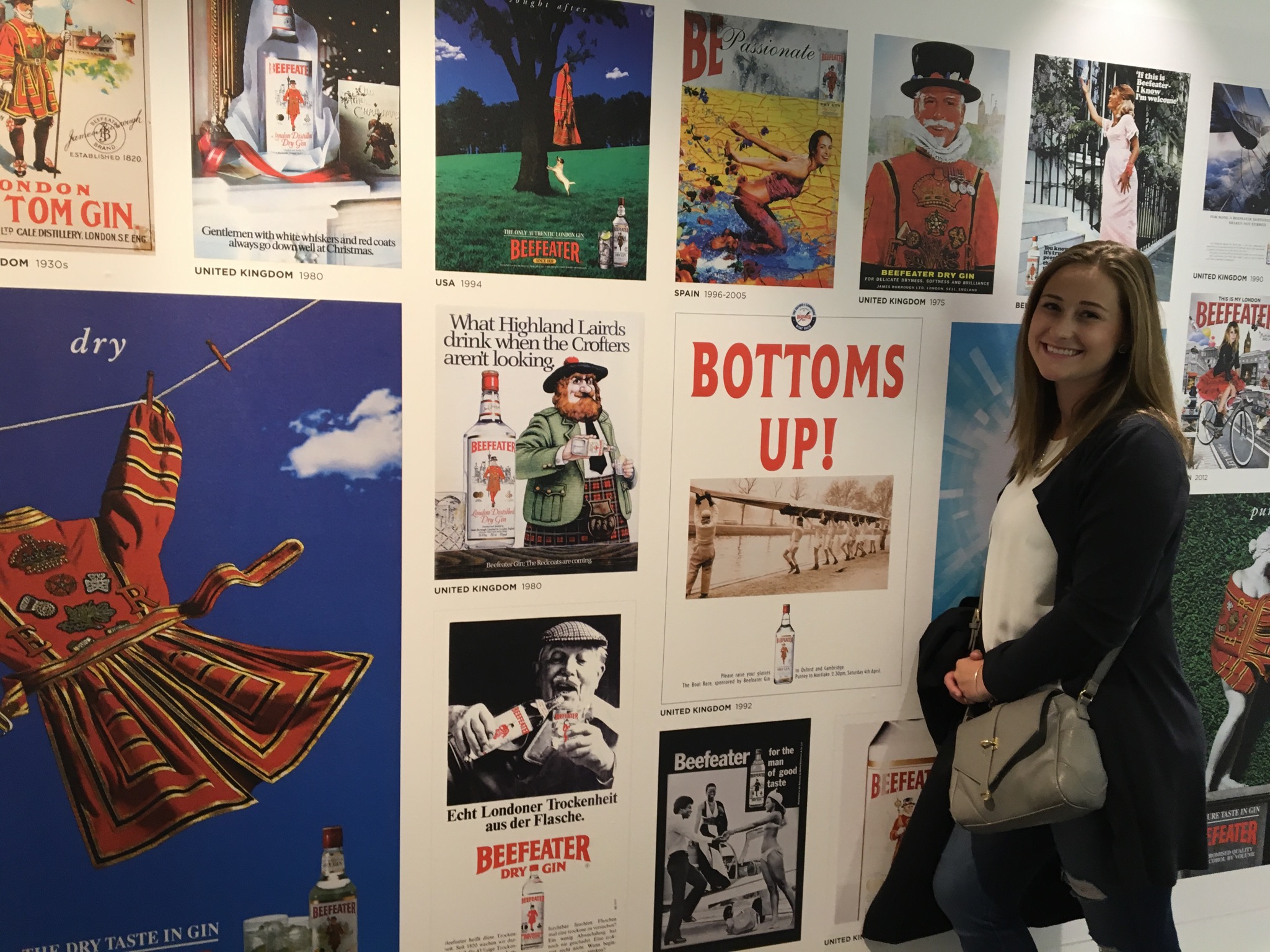
It is during this time that James Burrough and the Beefeater Distillery came onto the scene. James was a trained pharmacist, passionate about experimenting with flavours. It led him to discover the recipe for the nine natural botanicals now known as Beefeaters London Dry Gin.

IMG_0005

Today new styles of gin are becoming increasingly popular. Some of the originals are

Genever, Jenever: A Dutch spirit, still immensely popular in the Netherlands today. Distilled from malt wine and flavoured with juniper, hence the name jenever. Also referred to as Madam Geneva in English.

Old Tom Gin: Now used to refer to a style of gin popular in England in the 19th Century. Typically sweeter than modern gin. Various explanations for how name came to be. Traditionally often featuring some sort of cat on the bottle.

London Dry Gin:Modern style of gin, which has dominated since the late 19th Century.

Plymouth Gin:Similar to London dry gin, although said to be slightly sweeter, and the subject of protected geographical indication status, meaning it can only be made in Plymouth.

Sloe Gin:A liqueur made from gin and sloe berries from the blackthorn.


Having gotten both the production and history lesson in Gin at the Beefeaters Distillery exhibition,  and fortified by a lovely Gin and Tonic at the end of the tour, we were all set to embark on our ‘gin discovery and tasting tour of London.

IMG_0004

Our next stop Maltby Market.


Maltby Market has become a popular destination to wander on a Saturday morning/early afternoon. In Bermondsey the street market has settled in amongst the railway arches of southeast London. While smaller by comparison to Borough market, it has far fewer tourists, yet boasts top-notch food sellers of all varieties. We feasted on the ‘best burger’ in London from African Volcano (as declared by Madi and several other irish ‘foodies we met at the pop up communal bar) awesome charcoal grilled British Beef with chimichurri sauce and fries from The Beefsteaks and a delicious Falafel platter from Hoxton Beach. Quite frankly there were at least another 10 food stalls we would gladly have sampled—there is a style and flavour to suit any taste bud.


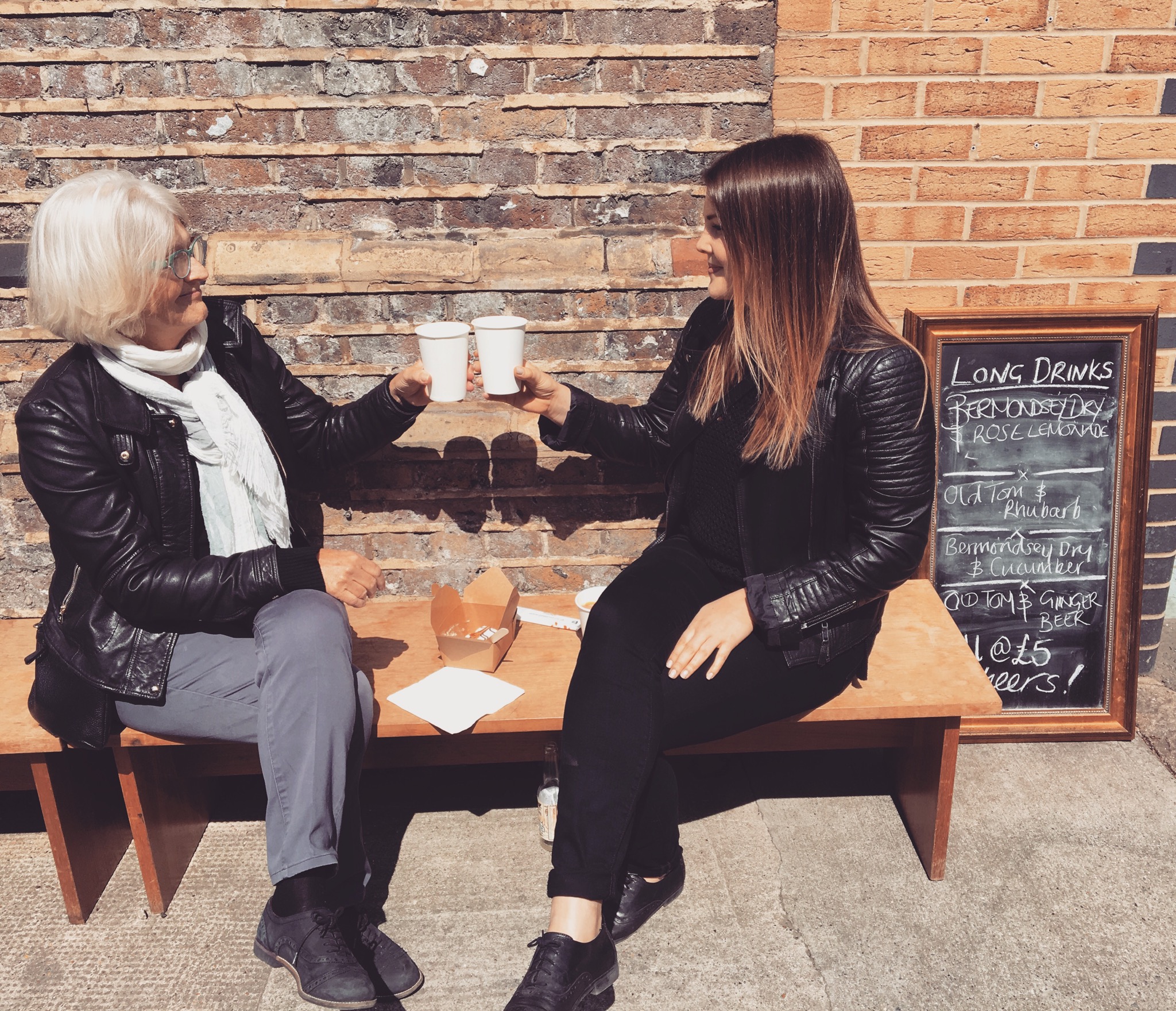
Our lunch was accompanied by cocktails from Little Bird Gin. We learned that Little Bird Gin is ‘lovingly distilled in small batches in London using unique botanicals including grapefruit and orange to give a smoother more rounded, fresh tasting gin’. We of course each had a different cocktail to enhance our sampling opportunities. Several of their cocktails are on their website but here’s to start you off in the morning.

IMG_7297

Early Bird Breakfast Martini

30ml Little Bird Gin

20ml Cointreau

50ml Pink Grapefruit Juice

2 large teaspoons of Seville orange marmalade 

Muddle the marmalade in a Boston Shaker, add lots of ice and the rest of the ingredients. Shake well and double strain into a chilled martini glass.


Before leaving Maltby market we made one more stop and in another archway found Jensen’s Distillery. A little gin tasting of their vintage gins and a sit in the sun, sipping a G&T, while  people watching rounded out our market visit. We clearly agreed with Christian Jensen, resident  distillerer

Jensen’s is gin as it was. Gin as it should be.


IMG_0011

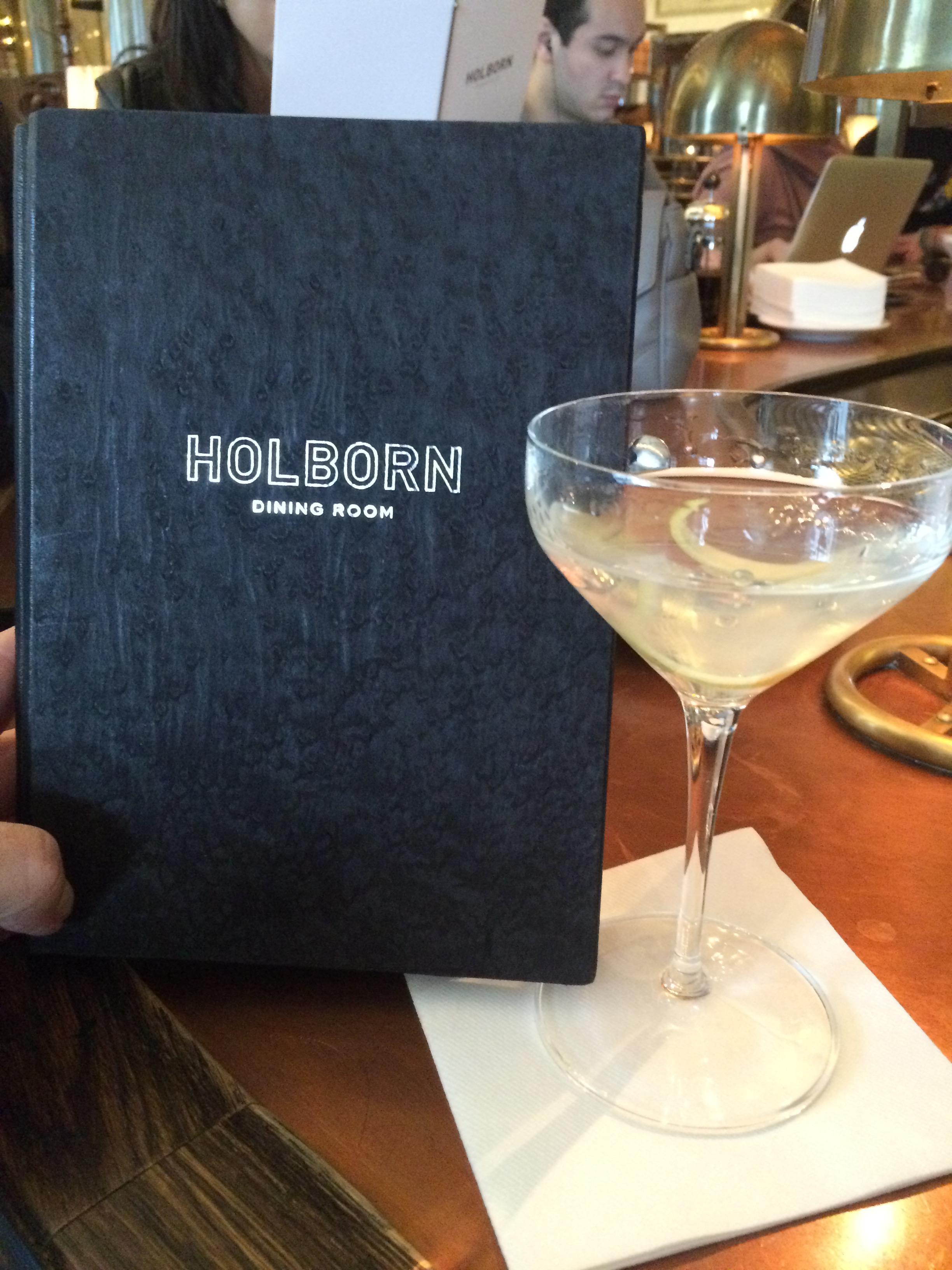
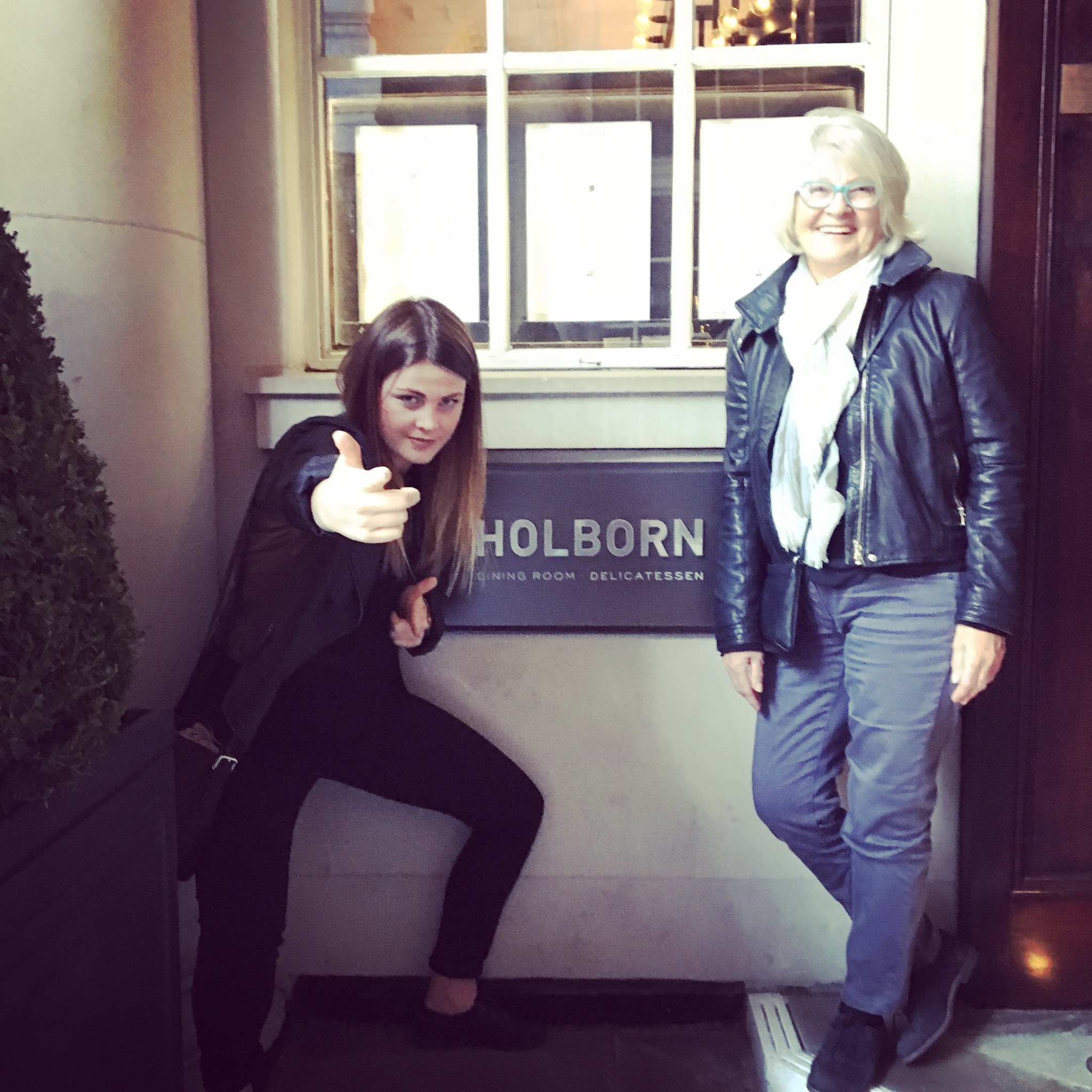
Armed with the ways of  world renowned Beefeaters to small local distilleries, we hopped on a double decker red London bus to our next destination, Holborns. Holborns is a grand old brasserie set in midtown London. It boasts a gin bar offering London’s largest collection of Gin, with over 400 Gins and 27 tonics. Apparently, if you had the time and liver for it, you could savour over 14,035 possible Gin and tonic pairings and cocktails.

I wandered the length of the bar and had a good long look at the 3 cabinets of gin bottles. Happily I saw a few of the unique gins, assembled in my gin cabinet, Death’s Door, Genever and of course the old well knowns, Hendricks, Tanqueray ( all of them) Beefeater, Boodles and indeed the new small batch distillery Lady Bird.

Having eschewed the bar cocktail menu I asked to see the list of gins and was presented with the ‘Bible of Gins’ by the gentleman behind the bar. After a deep consultation with said gentleman and a tasting or two I settled on Mayson’s Dry Yorkshire Gin, just to say I allowed my taste buds to sample something a little further afield but still British.

IMG_7306

According to their master distiller Mayson’s Dry Yorkshire Gin is

A London Dry Gin from God’s Own County!

IMG_0005

Masons set out to create something that “wasn’t just your run of the mill, off the shelf, generic gin”. According to the experts it  is a spicy, slightly malty number that has a pleasant fennel character. You may wonder how I could taste the differences by this time….but this was my first straight dry martini of the day ……no tonic or other additives, just a splash of vermouth, a lemon twist and ice on the side…..and I loved it!!!!


By now it was late afternoon, and time to depart for our final gin destination, the City of London Distillery. We headed down to a destination near Blackfriars on winding cobbled streets and came to Bride Lane. We actually bumped into a wedding party but did not see the bride. Searching around a bit we found a doorway, headed down the stairs into an underground bar (and fully functioning distillery). There is much too entice one at the COLD (stands for City of London Distillery) bar.


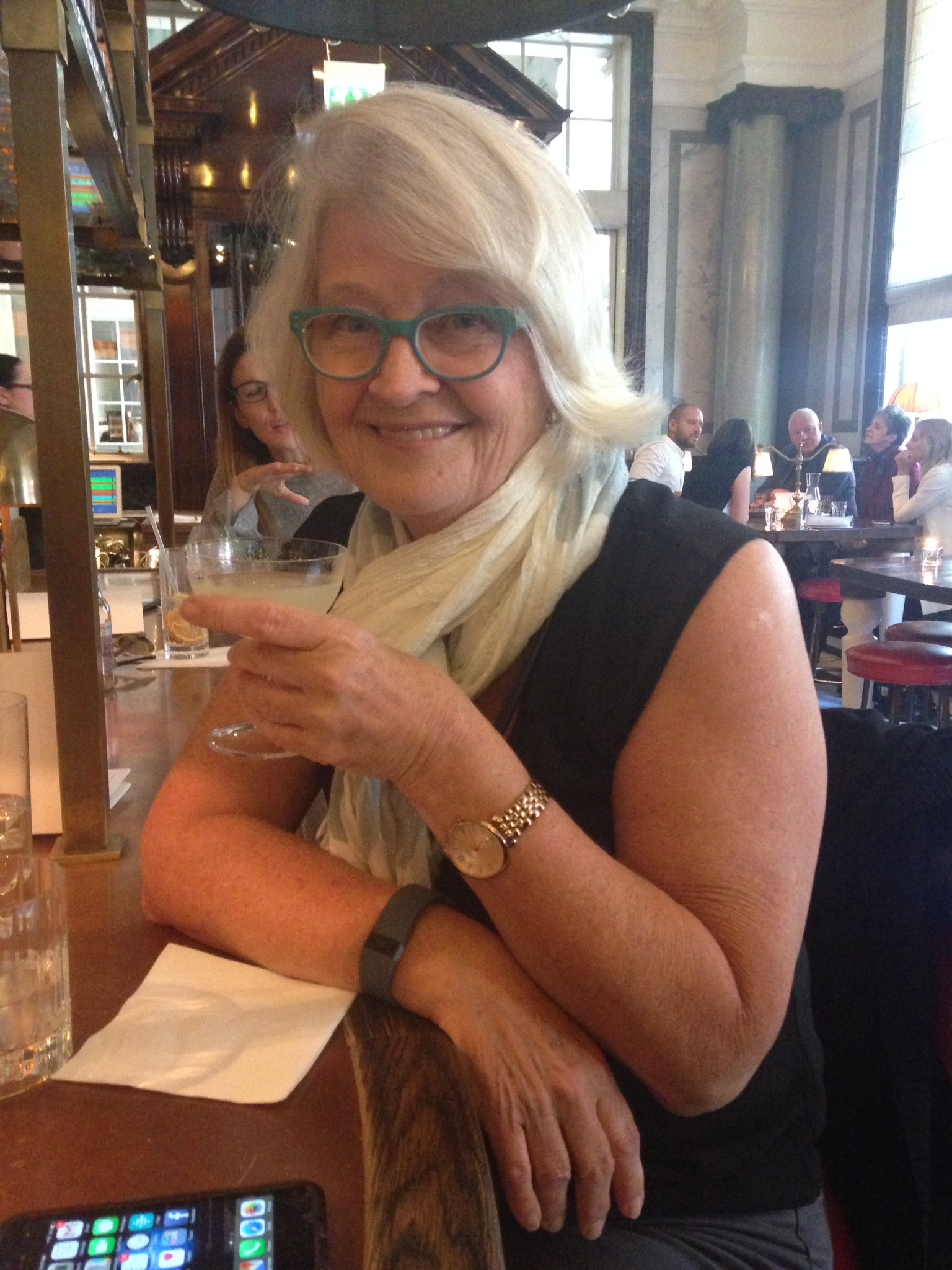
One can do gin flights,  a gin masterclass tour or even create your own gin. However, our day had presented us with several of these options already and we settled in for another cocktail, myself another dry martini with the house City of London Gin and a lovely charcuterie and cheese platter.  The ambience was terrific, Rachael’s room mates had joined the party by this time and we relived the delights, twists and turns of the day.


IMG_7317

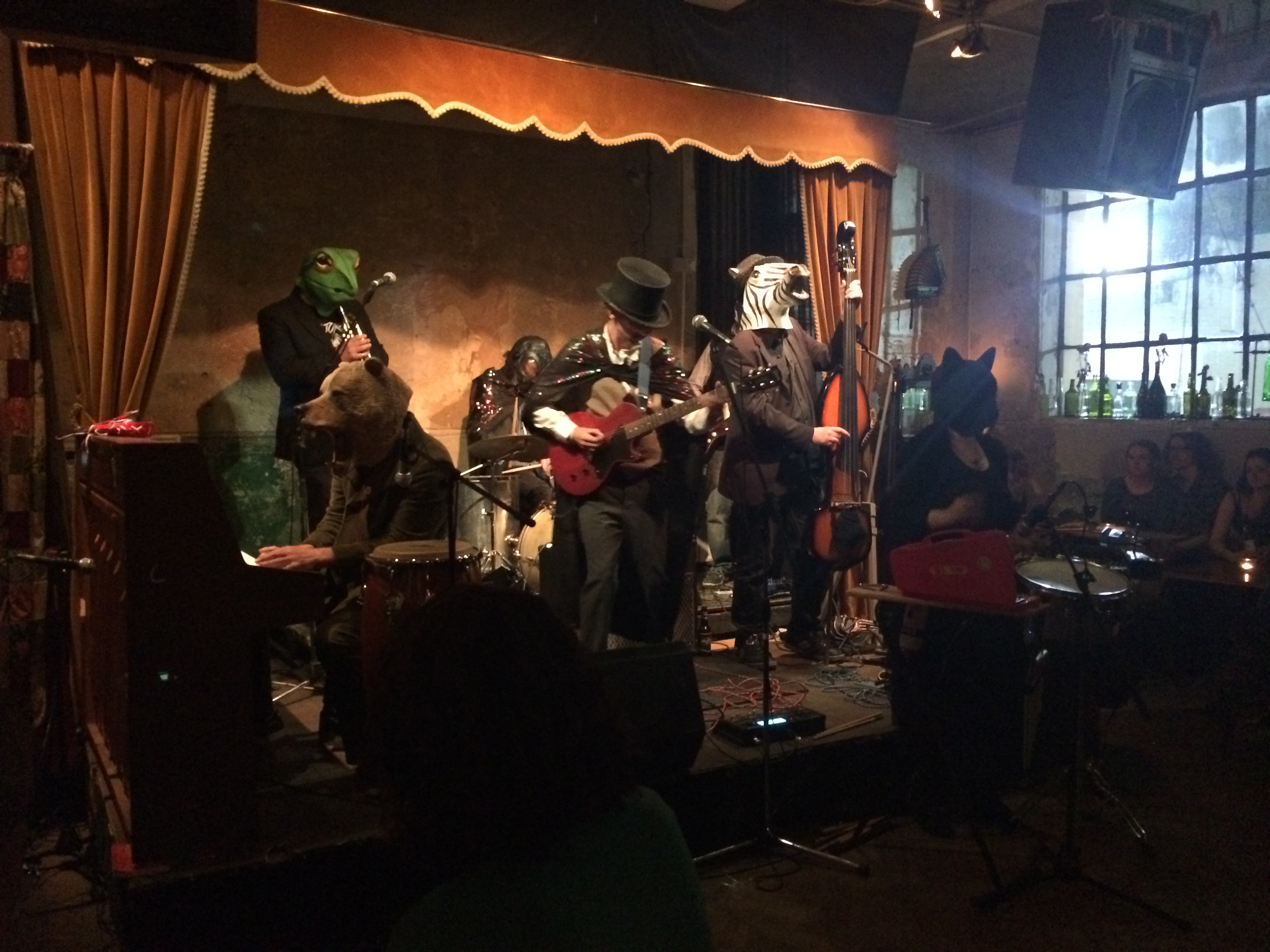
Following our gin adventure you will see that the Rachael  had planned a visit to a live music venue with the girls…it turned out to be quite the adventure as you will see from the animals in the band–but that is another story


A very special day with very special person and her friends who put a great deal of thought and life into a remarkable London experience!!!

IMG_0019


It is perhaps very fitting  that my first blog on Barcelona should be about its beaches.

Not three hours after my arrival in Barcelona, I found myself taking a short walk to the shore( 4 minutes from my flat in Poblenou). Within another 2 minutes I was sitting at a “chiringuitos” pronounced chee-ring-geet-toes enjoying my first glass of white wine, the lovely April sun and a breeze off the sea. Life is great in early April on a Barcelona beach!!!

The Beaches in Barcelona, and there are many of them, 9 in all, are magnificent!! On the Mediterranean border they stretch for almost 5 kilometres. Each beach has a name and all have the EU blue flag of excellence for water quality and services. It seems even the National Geographic gave its approval naming Barcelona as the best beach city in the world. I would agree.


Every morning I get up and have a long morning walk along the beaches and then enjoy a cup of coffee in my favourite  chiringuito. These small beach bars are dotted along the beaches providing libations as well as lounges to bask in the sun. I can imagine in the height of the summer they would be very full.


When I return in the afternoon for a little sun time, the sailboats, pleasure yachts, windsurfers, swimmers, sunbathers are out. Volleyball courts dot the beaches and impromptu soccer games take place. Entertainment along the boardwalk on weekends.


At Mar Bella the kite surfers come out late afternoon when the wind picks up. It is incredible to see them fly across the sea and perform their tricks. There is no end of people watching available from early morning till late evening.


I understand that  millions of people visit the city beaches every year. I expect in the height of the summer season the beaches are incredibly crowded—not my thing. But at this time of year they are really enjoyable. I have read that the city makes a big effort to keep the sand clean and the seawater clear and already I see signs of the cleaning routines that attest to this. Every morning city people are out washing down the boulevards and all day long beach cleaners walk up and down the beach removing trash.


Garbage bins are prominent for all to use.  They even have divers in the winter do an annual cleanup of the seabed.


In Spanish the beach is called ‘Playa’, but here in Catalunya they go by ‘Platja”. Mar Bella Platja is the beach I frequent. It has a dedicated nudist beach which I came across one afternoon by accident on one of my strolls along the beach…. But not too many visitors yet at this time of year yet.

I was curious about the beaches and was surprised to discover that up until the 1990s, the seafront had no resemblance to what I am experiencing here. The shores of Barcelona were dotted with factories( textiles  here in Poblenou) , fishing ports and even shanty town slums. All this changed with the 1992 Barcelona Olympics. The 5 kilometers of beach front, boardwalk, cycling and walking paths, and green space was constructed along with the Port Olympic  and Olympic villages. Sculptures, including Frank Gehry’s Peix and modern architecture make the beach walk engaging for full 5 miles. Remarkable!!! Today the Barcelona beachfront remains as an exemplary of Olympic infrastructure spending at its best!! Providing to the city beauty and economic wellbeing.


However, now more than 20 years later, some cracks emerge.  Being a popular tourist destination has its downsides. Residents struggle in the height of the season to get to work, do their daily shopping and the number of flats rented ( like mine) to visitors  impacts the real estate prices making local housing less affordable for the locals.

The recently elected Barcelona mayor Ms Colau, is talking about setting a limit on the number of annual visitors by freezing hotel construction or tightening up the rental of flats. Looking at pictures of the beach or the pedestrian La Rambla in summer, I can understand her concern. Apparently Barcelona has 1.7 million inhabitants. It sees over 7.5 million tourists a year… that’s quite an imbalance. Apparently the tourist numbers doubled in just 13 years.


The city has already taken some measures.

To ease mobility for residents the popular pickup bike that you find in almost all European cities ( and now even in Toronto in the summer), are generally available to tourists as well as residents. In Barcelona the system operationally supports residential use.  Fees are only provided on an annual (47 euros) basis, no shorter term fares available and one needs a Spanish credit or bank card and a local address to sign up for the system. The system has in fact been put in place to work alongside the local bus and metro system to enable people to get to work in the busy tourist season. I guess if there are 4 tourist to every local, weighting in favour of locals makes some sense.

In the height of the season large tour groups are barred from the famous La Boqueria market enabling local residents to shop for their daily food…. Getting your meat or fish and veg and fruit on a daily basis is still common here. Within the first week I have adopted this pattern.. shopping for my fresh fish, bread fruits every day… its great!!

When we visited Park Guell you have to book on line for a ticket and are assigned a time to enter.  I was quite happy that visitors were restricted to 400 per hour and understand the requirement for a fee.  I don’t think I would have enjoyed my ramble through Gaudi’s park if there were no restrictions on the numbers in the park.

Bottom Line April is a great time to visit Barcelona beaches.. sunny, warm, not too crowded and clean


IMG_1741_1024

Fall 2015 found me one more time in London, one of my favorite cities. It was a rather different visit. Instead of exploring the museums, sights and shops I spent several weeks ‘hunting’.

Daughter Rachael was facing down 2 weeks to ‘homelessness’, having been unsuccessful for more than 2 months in finding a new flat to move into with 2 new flat mates, Ana and Lauren. Who would have thought it would be so difficult to find a place to live in central London?

Well I was soon introduced to the challenges of London Flat Hunting!!!

It is incredibly competitive to find a flat in London. Rentals are logged with rental agencies and there are hundreds of them…check out any of the key London neighborhood corners and you will find 4-6 rental agencies within spitting distance. Those looking for a place, log their requirements with agencies—many of them!!! Or you don’t stand a chance!! Each of Rachael, Anna and Lauren were registered with multiple agencies in the 2-3 neighborhoods they were interested in living in. Oh yes, that’s another key element, narrow your search so that you can actually manage the activity…if you don’t you will be run off your feet.

Listing Checking, Agent Pestering, Frustration

Every morning, the flat hunting drill means you 1) troll your search engines (http://www.rightmove.co.uk or http://www.zoopla.co.uk) , 2) hope your agents are also searching for you and sending you emails about new listings—(they often get them before they are logged on the search sites). This later step requires ongoing pestering, as of course in the current environment the agents have many people who are looking for a flat just like you and 3) pick the flats you want to check out. So far so good. The challenge is that you need to move very quickly, almost at the drop of a hat. Getting to the new rental flats first is critical!! I found that for every flat there are another 5-10 people interested in the same space…so it is all about getting your rental offer in quickly!!!

So, as fast as you can, check out the flat, make a decision re what to offer ( at rental price listed, above, below, special requirements etc), get the offer to the agent and wait to see if the owner chooses you for the flat…and yup it is their choice and they typically have multiple offers.

Never Ending Listing Checking and Flat Hunting exhaustion

Sound easy? No, not so much. Frustrating? Yup, and increasingly more so as you make offers and time after time are not chosen!!! arrrggghh

All of the above, is complicated hugely by the fact that you have to make a living…meaning that you typically can only focus on this before breakfast, during work breaks and lunch and after work and on the weekends..in other words you have no life other than flat hunting. And naturally not being able to check out flats until after work, means that you are not typically the first offer!!!

Rachael, Ana and Lauren are all young professionals. Two weeks before they would all be out of their current housing arrangements, Ana was dispatched to Croatia to follow the refugee crisis for Reuters, Lauren was off on a long planned holiday she could not cancel and Rachael had colleagues from South Africa in for the week for a workshop… yup life gets in the way !! They of course were all now not only looking for a new flat to rent, they also needed to pack up their belongings and figure out where they are going to live in 2 weeks time…yup life is complicated and VERY STRESSFUL!!!

Packing up the belongings and storing across London at Friends

So on my arrival, I joined the house hunting task force!! The girls would do the searches early in the morning from wherever they were, send me the possibilities and I would contact the rental agents to see if I could set up a viewing. They armed me with a list of questions to ask, and a checklist of their requirements to confirm in the flats.  The best trick was to take a video of each flat I visited,  check out the flats and load my  visual and verbal observations  ASAP on our WhatsApp group, and the girls could check out the flats virtually.

Walking the streets of Clapham & Balham, checking out flats—lovely ones

WE DID NOT GET!! Aaarrrggghhh!!

I became very familiar with Balham, Clapham Junction and Clapham Common…having walked the streets and visited flat after flat. I, along with niece Madi,  experienced with them the disappointment of a flat that did not live up to expectations, of trying to decide if they would offer, of losing to another bid, and the nerve-wracking waiting to hear.

So every now and then we needed a break!!!

Cocktail Breaks to keep up our Spirits

It took  another 3 weeks to finally secure a flat!!!! But they did it!

It took seeing beyond the distressing lack of housekeeping by the current renters, begging and negotiating with the owner, and constant follow-up with the agent but the girls were successful and late October moved into their flat in a great neighborhood in Balham.


Happy Flatmates Ana, Lauren and Rachael in their new flat !!!

They now live happily in a flat, newly scrubbed, decorated and made ‘home’. Balham is where they settled…a great neighborhood, pubs, cafes, parks and easy transportation.


Brighton by the Sea

Brighton by the  sea.. a city sandwiched between the South Downs and the English Channel—a city that is  colourful, quirky, cool and tacky !!!!

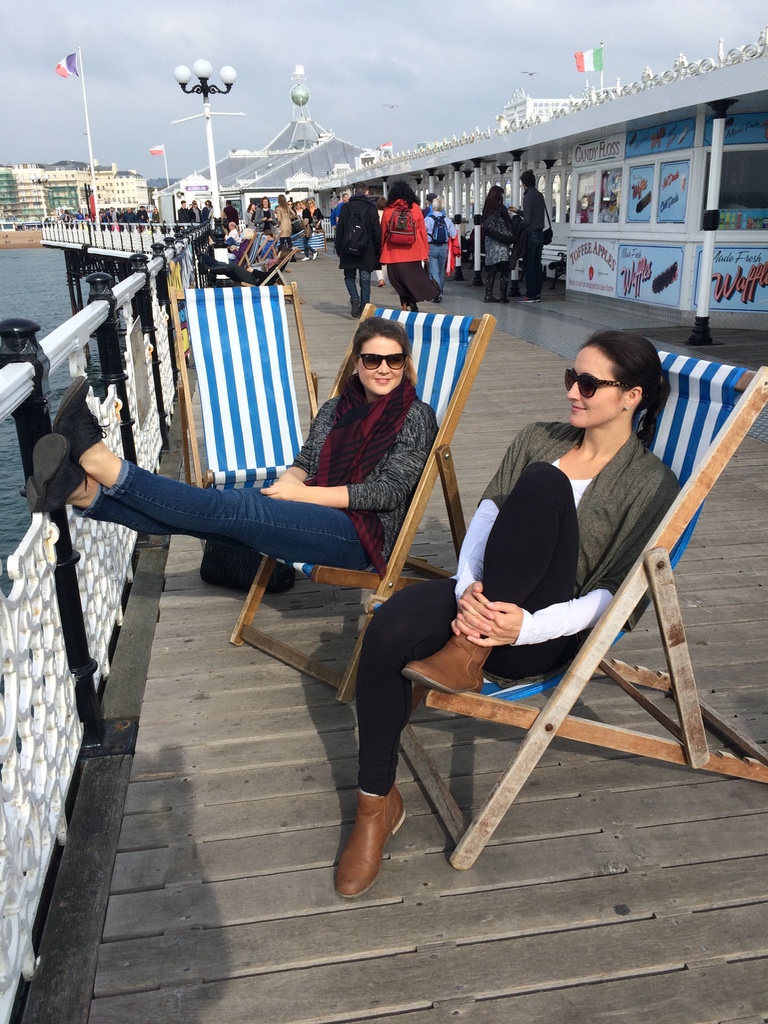
Top of the tacky list is the Brighton Pier… a very long pier enabling all to soak up the tackier side of Brighton …tons of kitsche, noisy arcades, games, lights, fish and chip shops, bars…and at the far end, an old fashioned carnival style amusement park.. horror house to roller coaster to an  old style merry go round. And at night lit up like a grand old dame.


thumb_IMG_4860_1024

My favourite part of the pier, are the great chairs to sit in and soak up the sun.


The Brighton Pier opened as a pleasure pier in 1899. In world war II the pier was closed… clearly it was an easily identifiable landmark  at night.


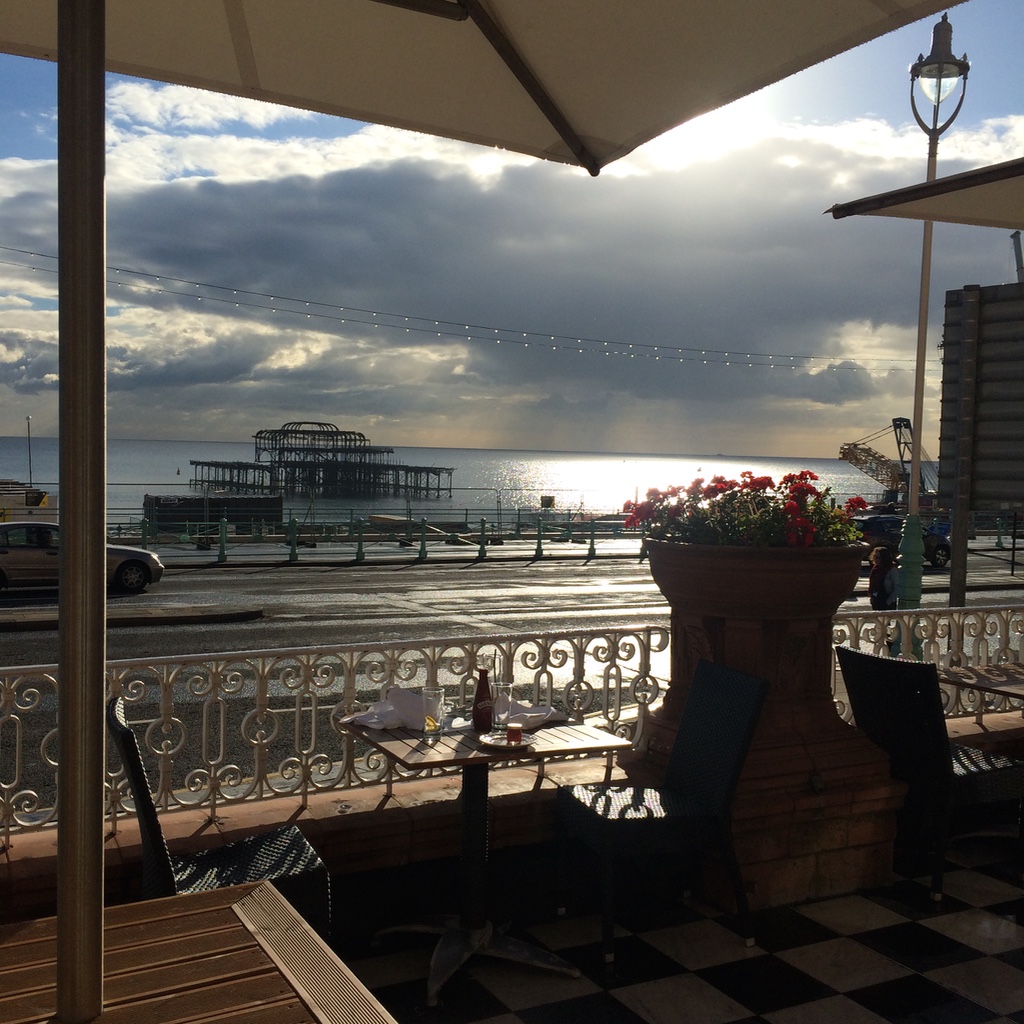
Just down from the Brighton Pier is the rival West Pier. It was closed in 1975 and having been severely damaged by fires and storms, today is just an iron wreckage rising out of the sea. I think I prefer it to the tacky main event.

thumb_IMG_5006_1024


Top of the quirky list is the Royal Pavilion…the exotic extravaganza commissioned by the equally quirky Prince Regent.

Designed by John Nash, the architect of London’s Regent Street, the Royal Pavilion is a a rather unusual, extraordinary building, boasting minarets, pagodas, twirling domes, balconies and Indian and Chinese motifs. George IV, was a huge disappointment to his straight laced father George III. The Prince Regent was anything but straight laced. He devoted his life almost entirely to pleasure….gambling, heavy drinking, dining, mistresses, racing, fine clothes …and clearly extravagant lavishly furnished homes..and in the process running up huge debts for the royal family.

George IV’s love with Brighton started in 1783. Introduced to him as a health retreat, George IV made it his “London by the sea”.  Here he  settled his mistress, Mrs. Maria Fitzherbert, whom he secretly married, and later disavoved when his father forced him to marry  Princess Caroline of Brunswick . This marriage did not last as Princess Caroline shared his father’s views about George’s lifestyle. Nevertheless having set up in Brighton , the Prince’s royal followers followed and made Brighton fashionable and racy.  He died in 1830 at 68. By this time he was king, morbidly obese, often caricatured by the press as completely out of touch with his subjects, who following the Napoleonic wars suffered famine and high unemployment. The times summed up his passing as follows “ there never was an individual less regretted by his subjects than this deceased king”. 

Interestingly, he clearly left a strong mark on Brighton. I had always planned to visit the Royal Pavilion but was always waiting for a rainy day.. as i barely had any rain when I was in Brighton, I never did go in to see the interior extravaganza..I will probably live to regret this.

Top of the Colourful Cool List …Brightons eclectic vitality  Today Brighton  continues to have a  bohemian vitality. It comes from artists,writers, musicians and other creatives and a thriving gay community. During my month there, it was the comedy festival, so regrettably I was not able to participate as fully in the musical cultural events.

Brighton  has a charming inner core —known as the Lanes and North Laines. Generally car free, it is  a maze of little alleyways crammed with shops and boutiques—lots of jewelry places. I loved to wander the Laines, check out the shops, pop in to a coffee or wine bar and quite lovely restaurants. My favourite was Riddles and Finns, a champagne and oyster bar which also served fabulous sea food. If you are in Brighton check it out.  There are two one on the beach and one in the Laines. I loved the one in the Laines. Tiny venue, open kitchen chandeliers, candelabras on long tables where you are seated family style—a great way to meet people —and sure enough in Brighton, of the artistic sort. One evening my guest and I met a heavily tattooed and pierced young woman from Australia who was a producer of electronic music and her friend a film producer.

Another favourite walk was of course, the one along the seaside on the promenade. Brighton has a long wide pebbly beach ( which is actually very comfortable to sit on—who knew? )  you can walk for quite a distance along the coastline. People flock to the beach in the summer…but even throughout my time there in October it was well populated with people taking in the fall sun rays and simply strolling or cycling along. Lots of places to stop for coffee, a snack or wine or beer. In the first few weeks it was still quite warm and I loved to grab a comfy couch at the outdoor bar, with glass in hand sit in the sun and listen to a wonderful female singer singing jazzy tunes.

I lived in the area of the Seven Dials. Lovely homes, nice pub nearby ( The Cow) and a great Coffee place ( Small Batch Coffee) . My flat was really wonderfully decorated…french provincial country style. Again I booked through AirBnB…my go to place for great flats. The owner was a british airways stewardess and clearly an experienced home decorator. It was a cosy and delightful spot to come home to after a day in Brighton or on the downs.

All in all I enjoyed my time in Brighton on the Sea. A part of which was the hiking in the South Downs, which will be the subject of my next blog.

thumb_IMG_4799_1024


Visitors Arrive

Two weeks have passed and the first of my guests started to arrive!!! I was so excited to begin to share the sites, sounds, smells and taste of Italy.

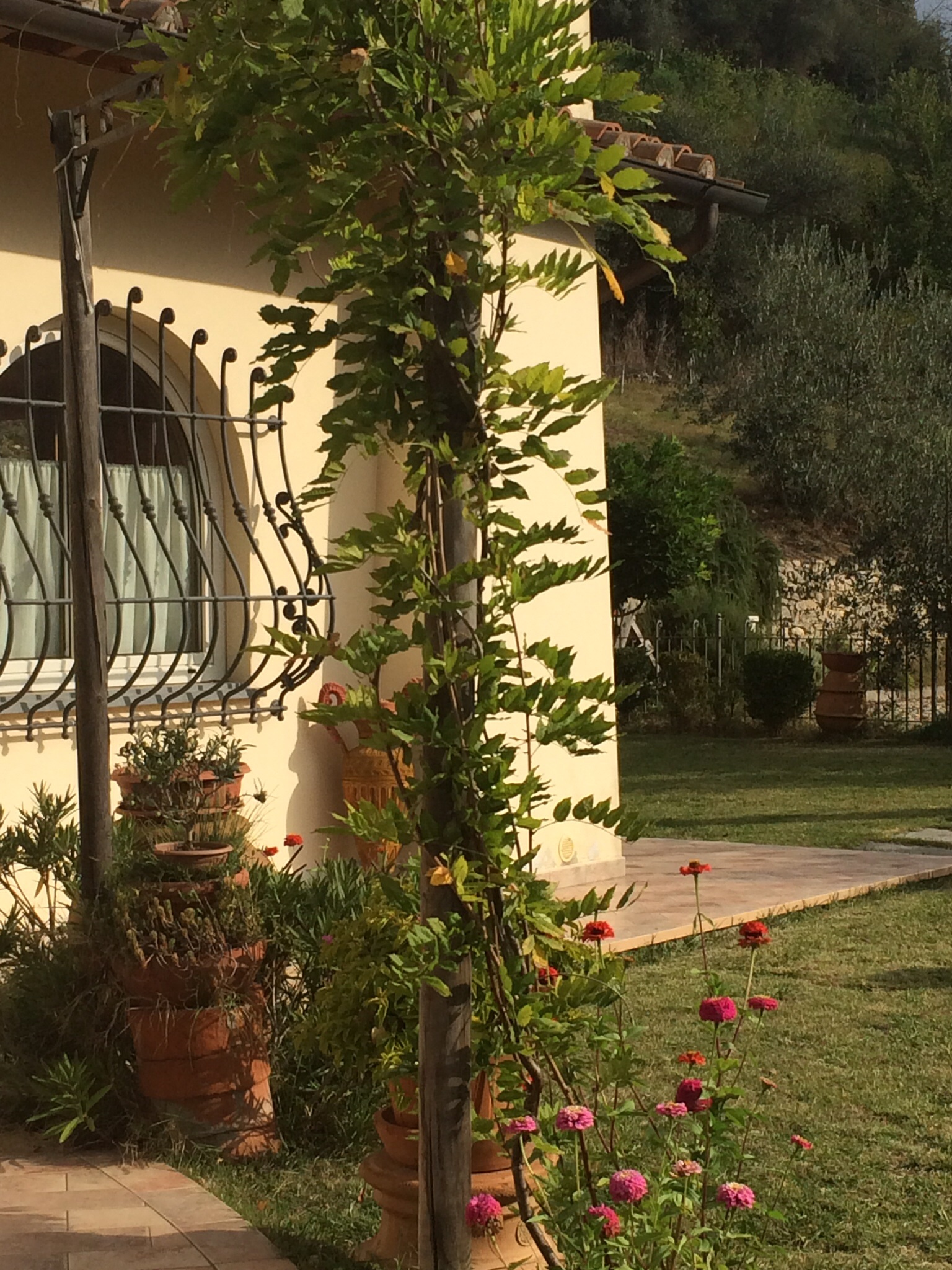
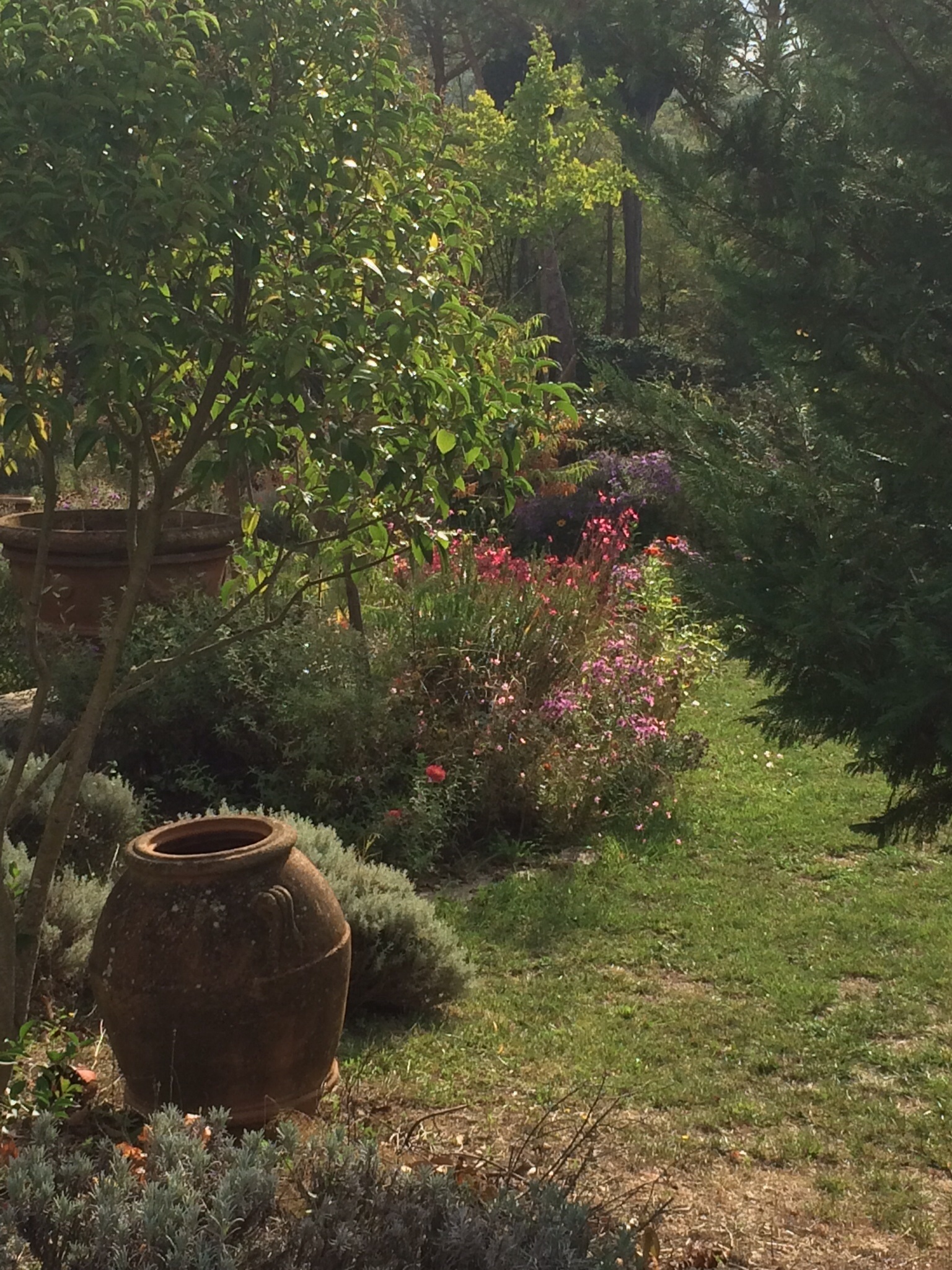
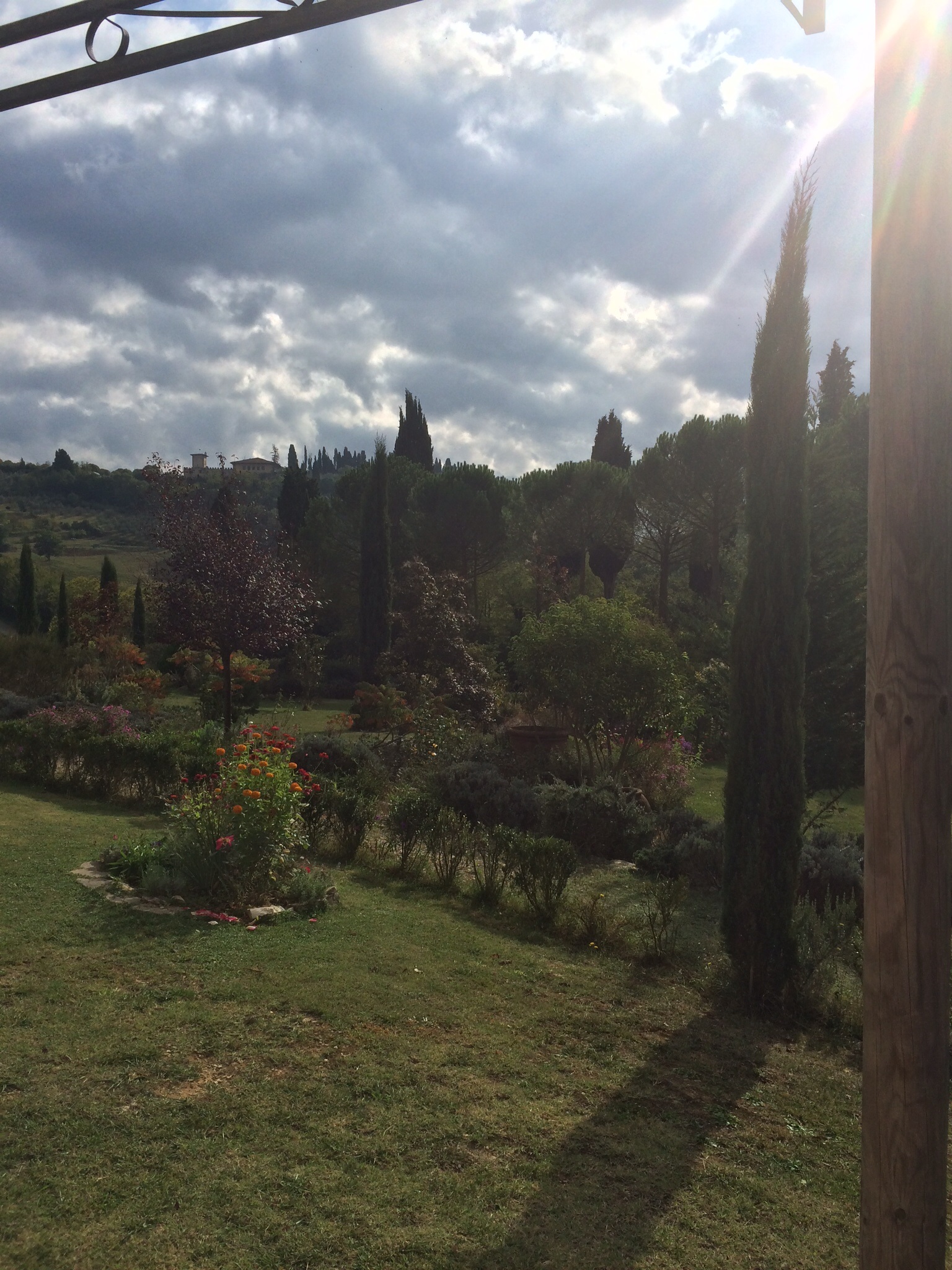
I have moved from Florence to Giardino Incantato, a lovely Tuscan home I found through Airbnb. It is an idyllic setting and perfect to entertain guests and leverage as a home base in Tuscany.

My Tuscan Home

My Tuscan Home

image

image

image

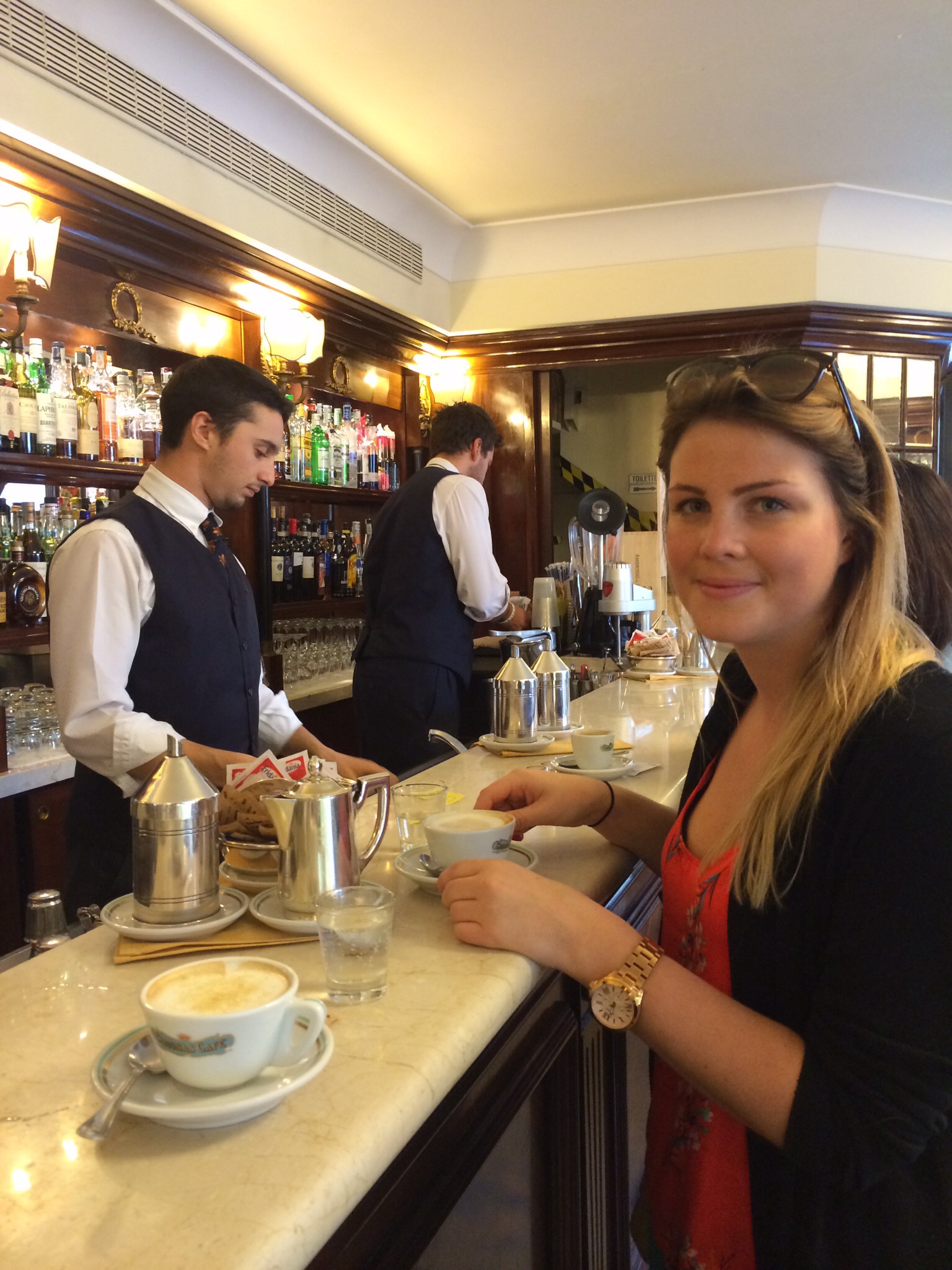
Rachael, my daughter arrived mid week and we had an awesome day out in Florence on her first day. The weather was amazing, the sky perfect ( especially for picture taking)  and our stop for a Caffe Macchiato and Cappuccino and visits to imagethe  Mercato Centrale ensured several chances to smell and taste the wonderful Italian cuisine.

imageimage

image

image

It turns out the world is indeed very small, as walking along the River Arno we ran into a KPMG partner from Saskatoon, Canada, Tom Robinson and his partner Suzanne. It turns out he too retired and was having a tour through Italy. We shared wine and dinner and exchanged stories…. What a chance meeting???

The following day we maneuvered our way into the city centre to Stazione  Santa Maria Novellato pick up Mary Lou and Virginia who arrived by train from Rome. Perhaps at a later time I will do a blog on the challenges of driving in Italy and navigating Florence. I think I and several of my guests have several more grey hairs after our weekend driving expeditions. But we tried not to let it get in the way of our enjoyment.

image

After a glass of wine in our lovely garden, we headed off the first evening to Tre Pini  http://www.ristoranteitrepini.it/Welcome.html a  restaurantnearby.. we had a lovely wine and Tuscan food…although our favorite item on the menu was the pizza we shared as a starter..pizza in italy is truly something else!!

Touring Tuscany

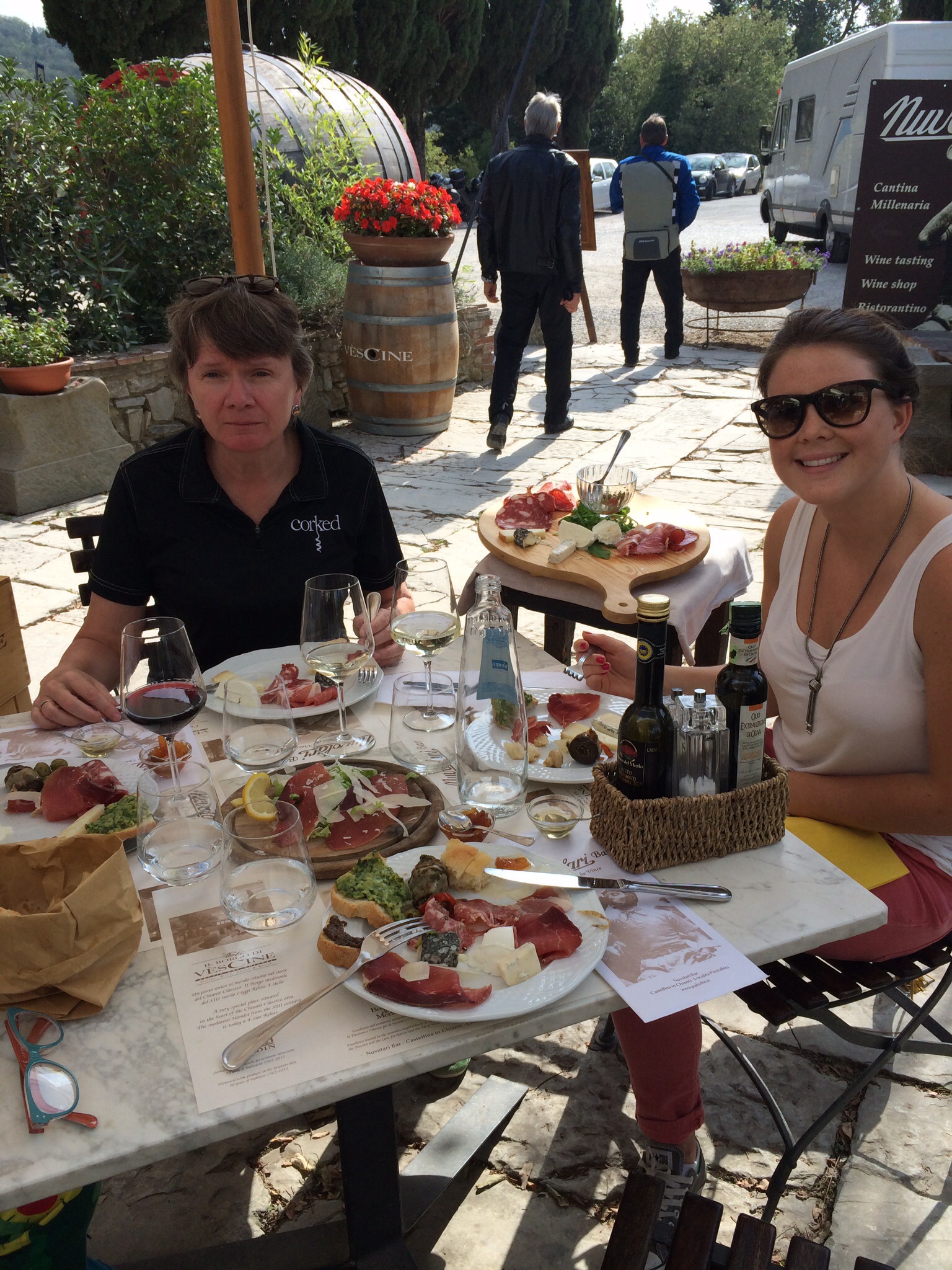
Saturday was dedicated to roaming the Chianti region…visits to towns, to  enotecha’s to taste and buy wine, a lunch stop to relax and drink more wine and indulge in a spectacular sharing platter.

image

image

Our favorite town was the medieval hillside town of San Gimignano.

imageimage

San Gimignano is a small walled medieval hill town in the province of Siena, Tuscany. I remembered it as one of the prettiest Tuscan towns from an earlier trip to Italy – I have a lovely picture of its unforgettable skyline in my home… five towers in the medieval style …examples of both Romanesque and Gothic architecture. The town built from the 12th to 15th centuries is encircled by three walls and has four town squares. It is a charm to walk within and around the walls encircling the town with its amazing viewpoints into the valley below

image

And of course our favorite past time was tasting and buying wine….Mary Lou and Virginia managed to find some amazing bottles of wine, typical to the region, both from the Italian grape sangiovese and the super Tuscan variety. Another blog will be dedicated to the wines we have enjoyed. image

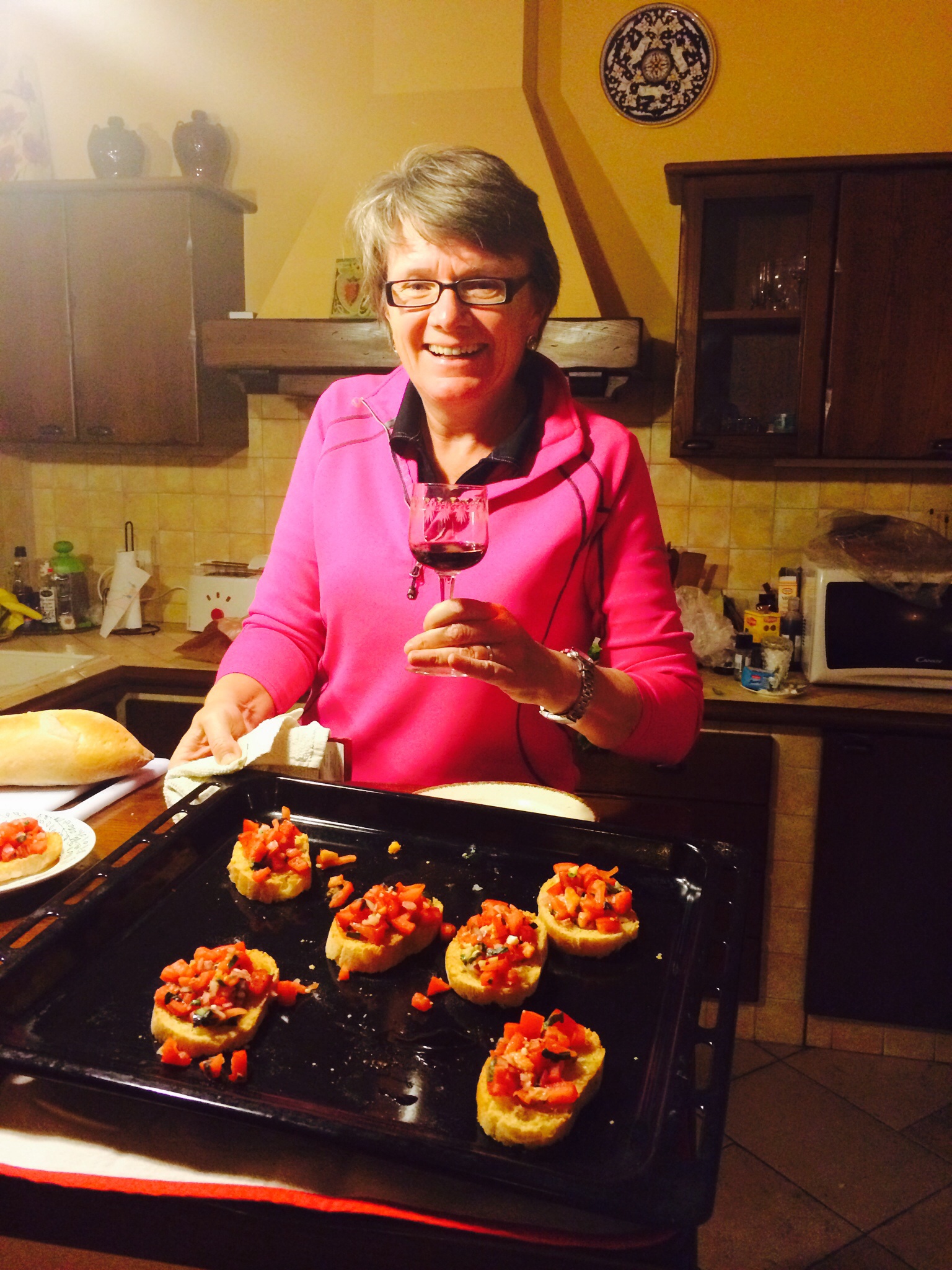
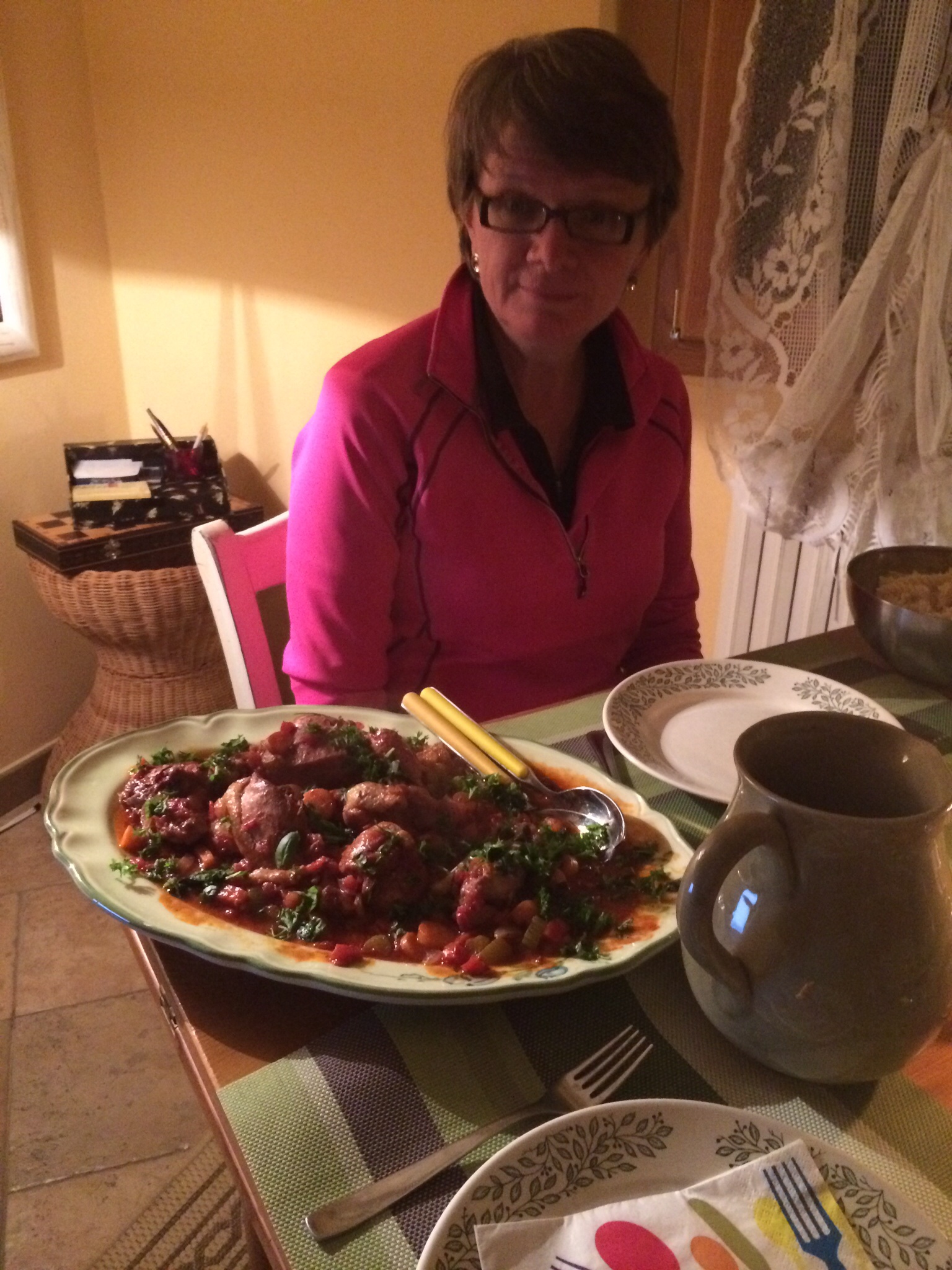
imageWe returned to our Tuscan home and collectively prepared our ‘Italian Tuscan Thanksgiving dinner’. Bruscetta, pasta and Pollo all’arrabbiata.

imageimage

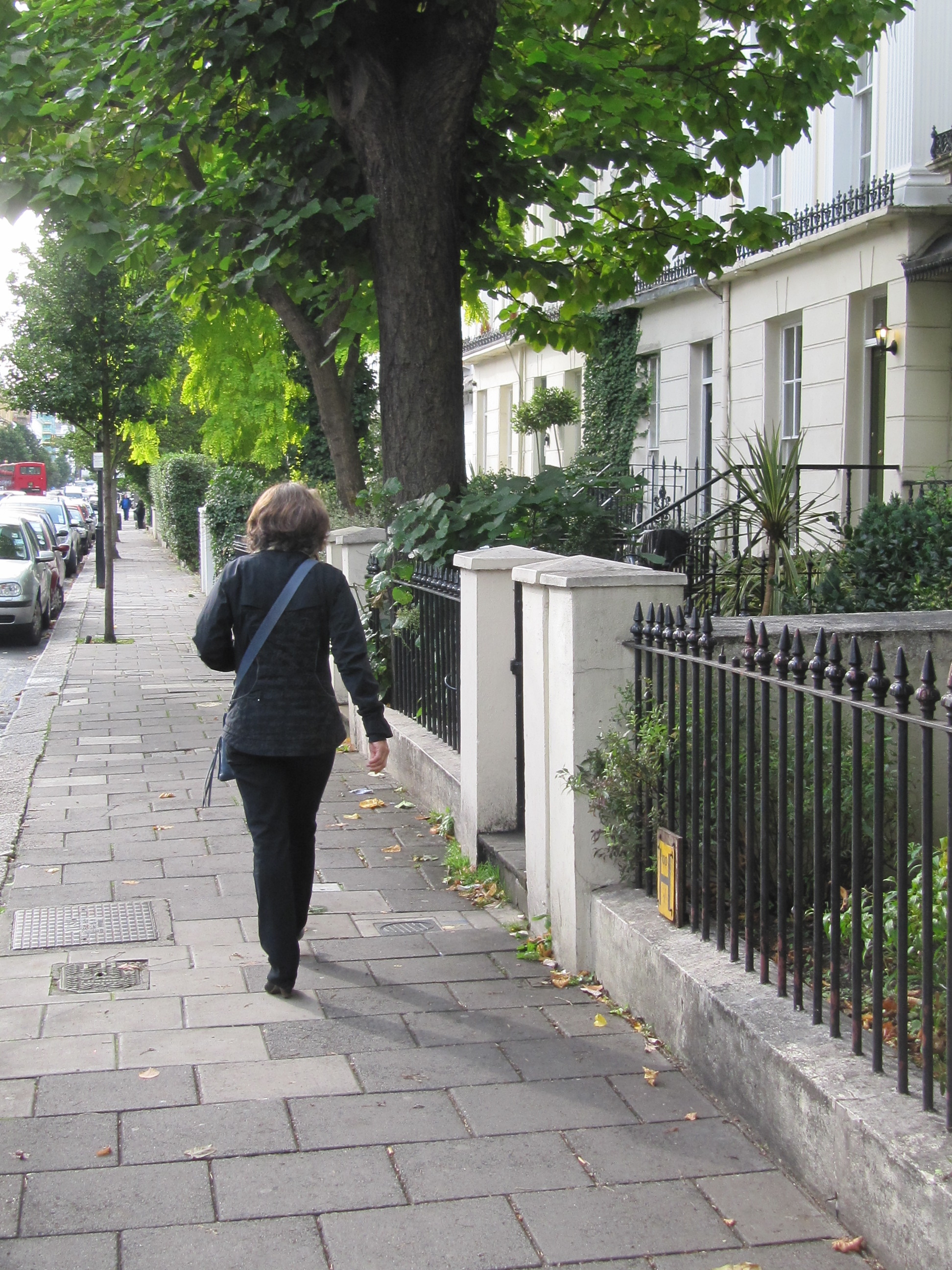
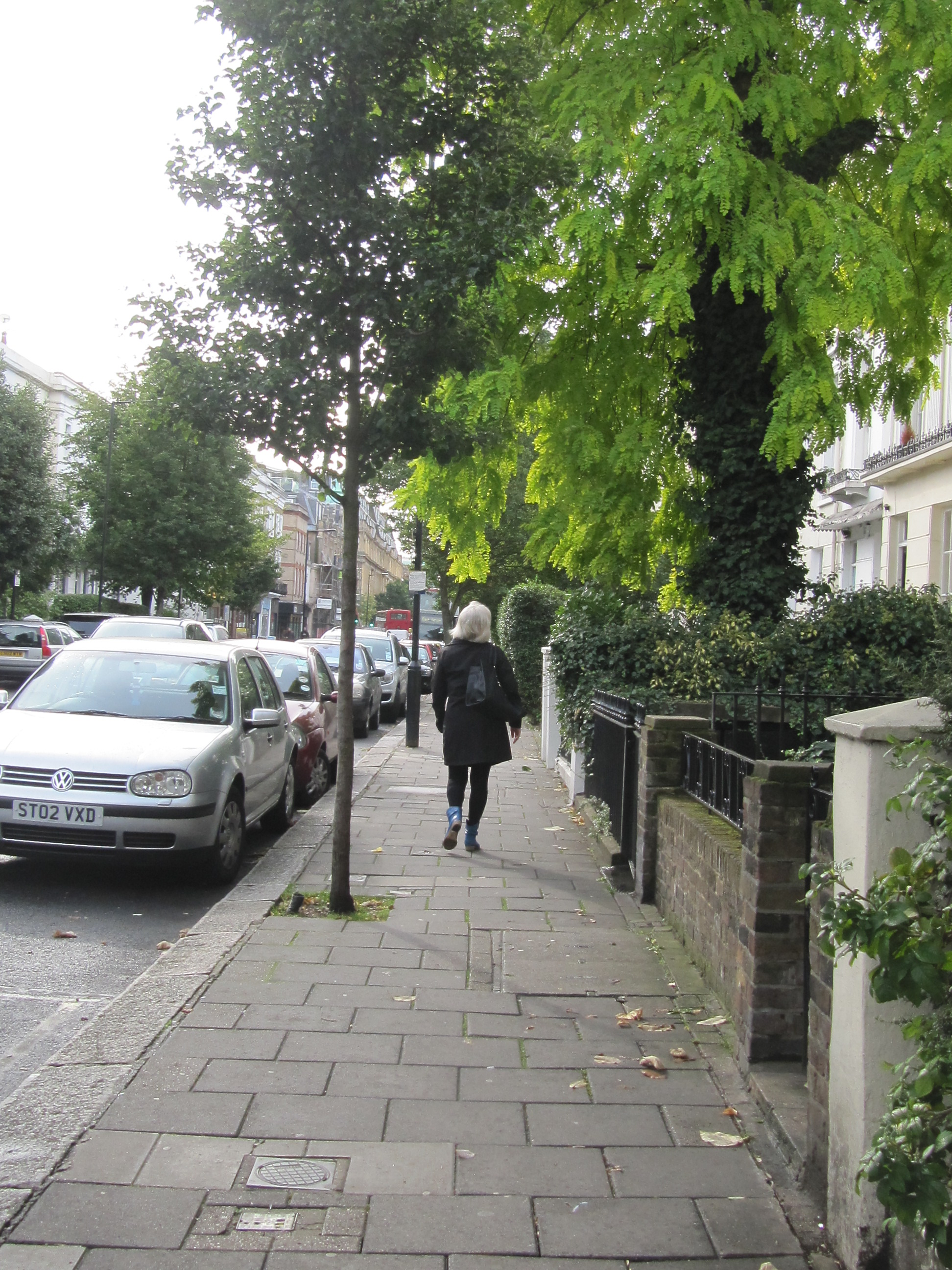
href=”https://gmarkvoort.com/wp-content/uploads/2013/10/img_8808.jpg”>Stepping Out from 45 Chepstow Road Stepping Out from 45 Chepstow Road[/caption]

Chat line…..Rachie and I
Rachie: yeah mom …..LTD
Me: LTD??
Rachie: Living the Dream mom!!!
Me: Yeah …..Rach love your definition.

LTD used to mean Long Term Disability to me in my world. Now it means Living The Dream
Rachie’s version of the acronym suits me to a tee right now.
Living the life in England! A weekend in Paris! All is good.
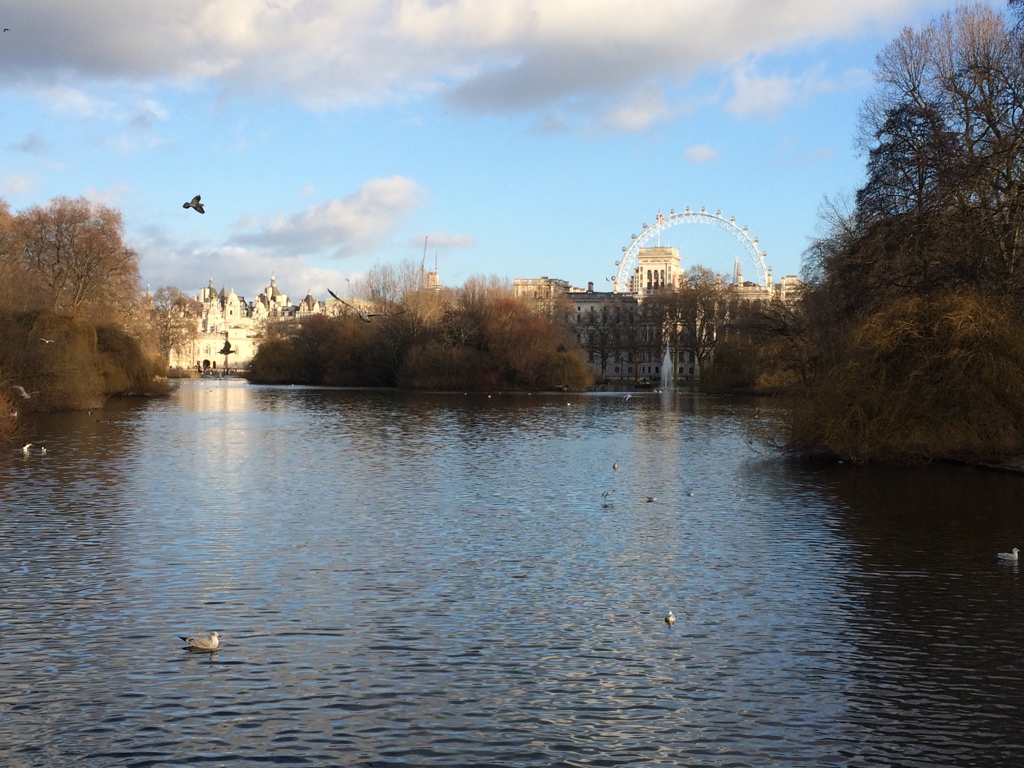
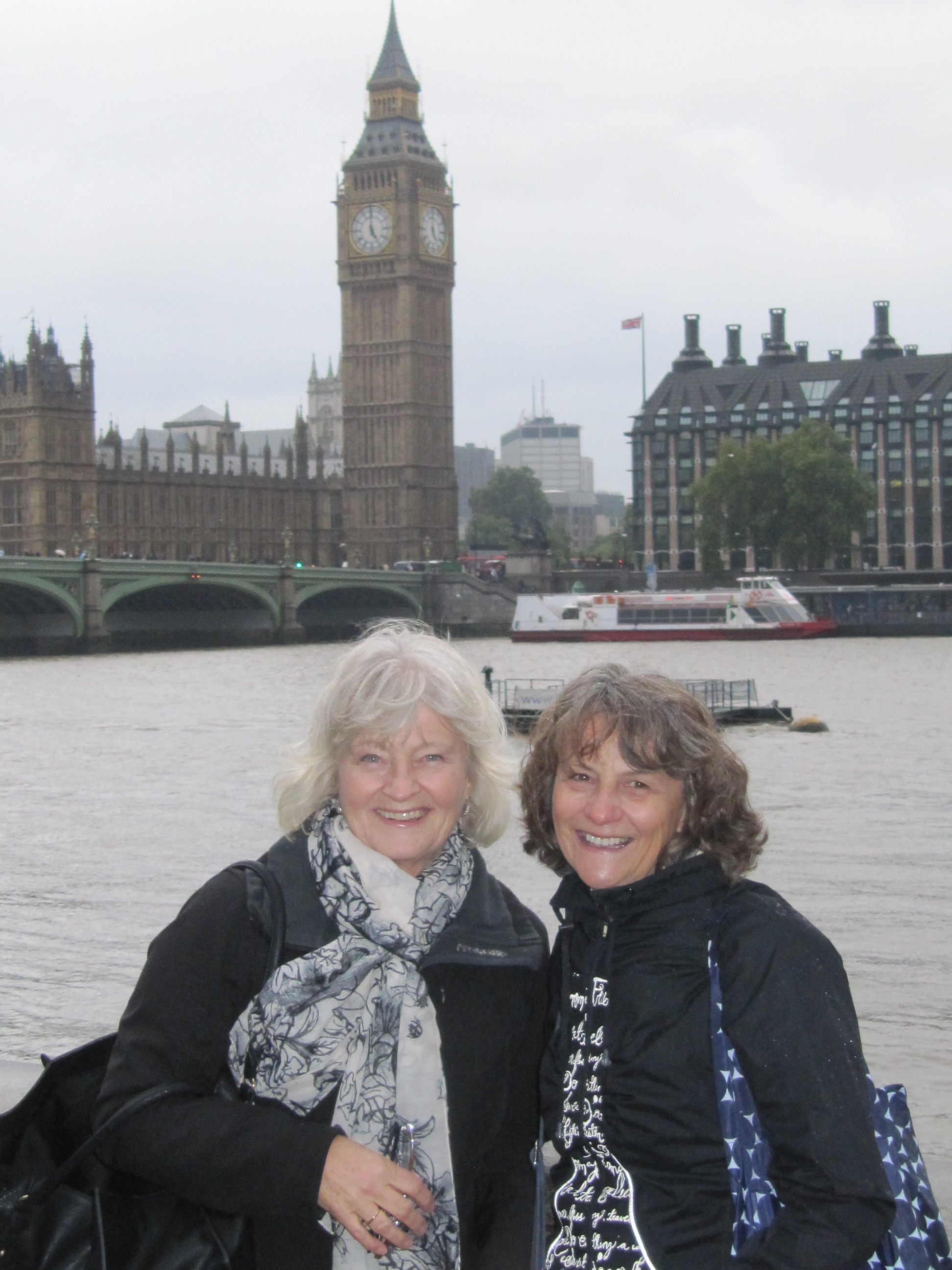
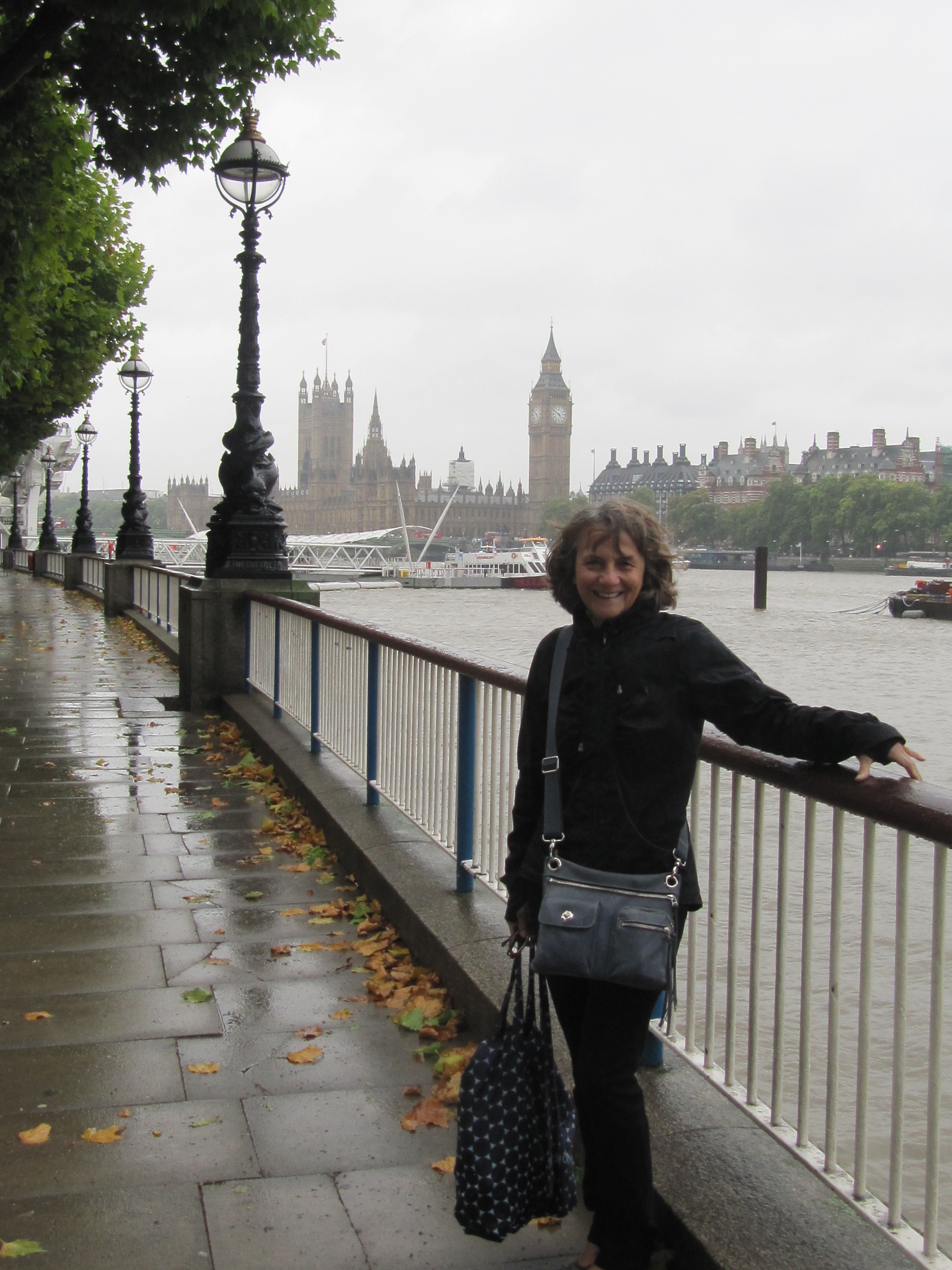
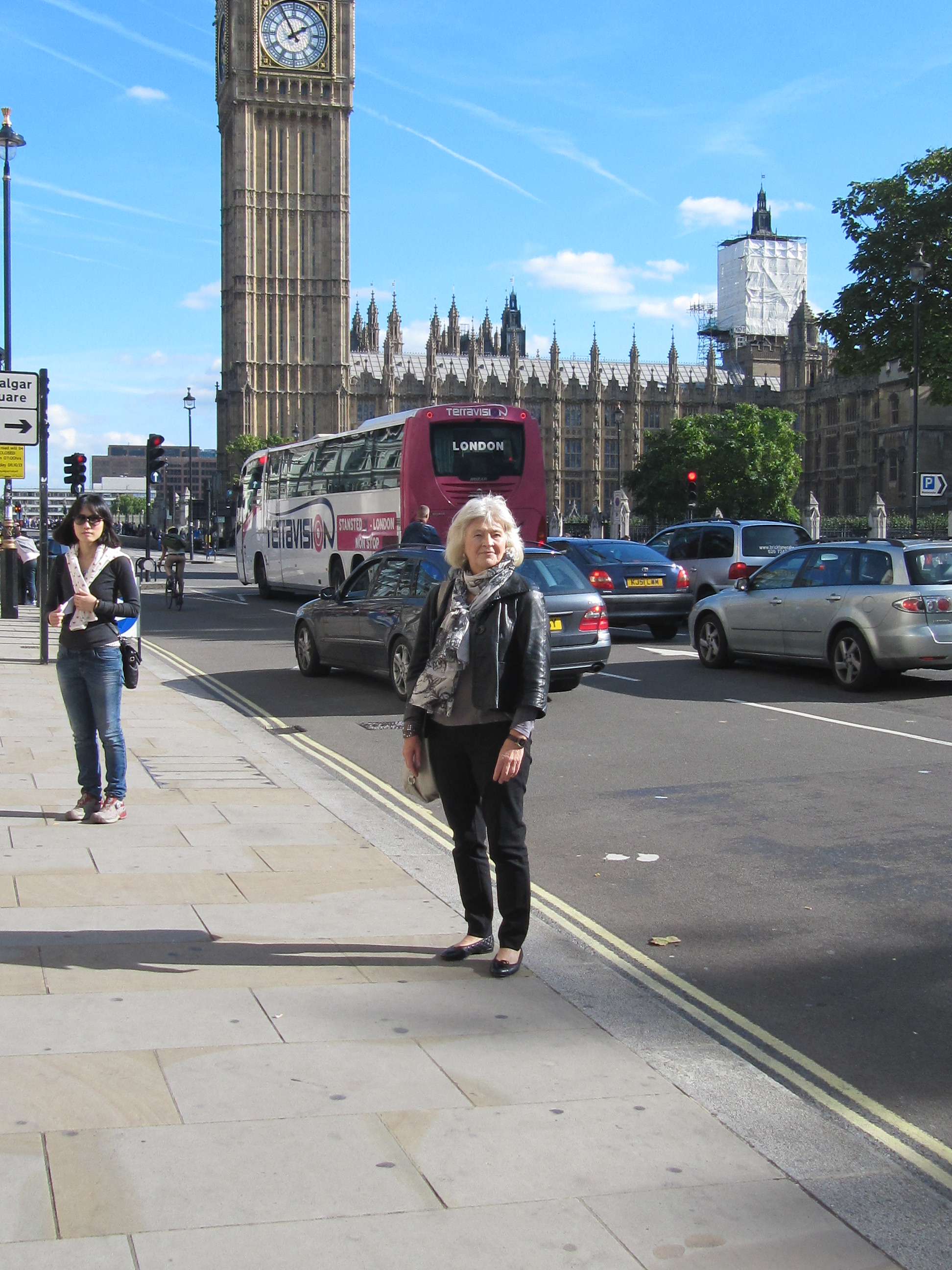
Loving London. Visiting all my favourite places. Stepping out!

IMG_8809

IMG_8810

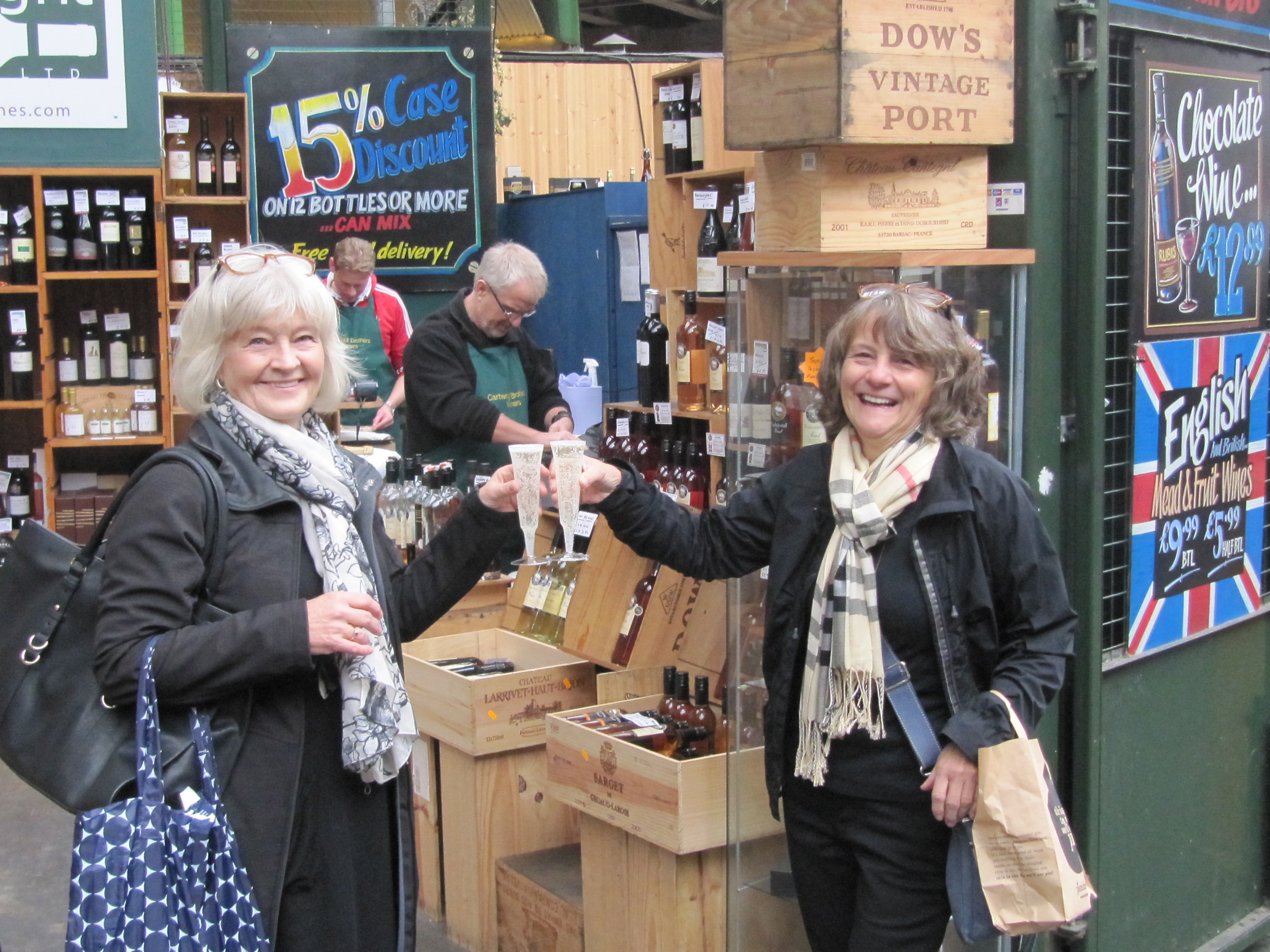
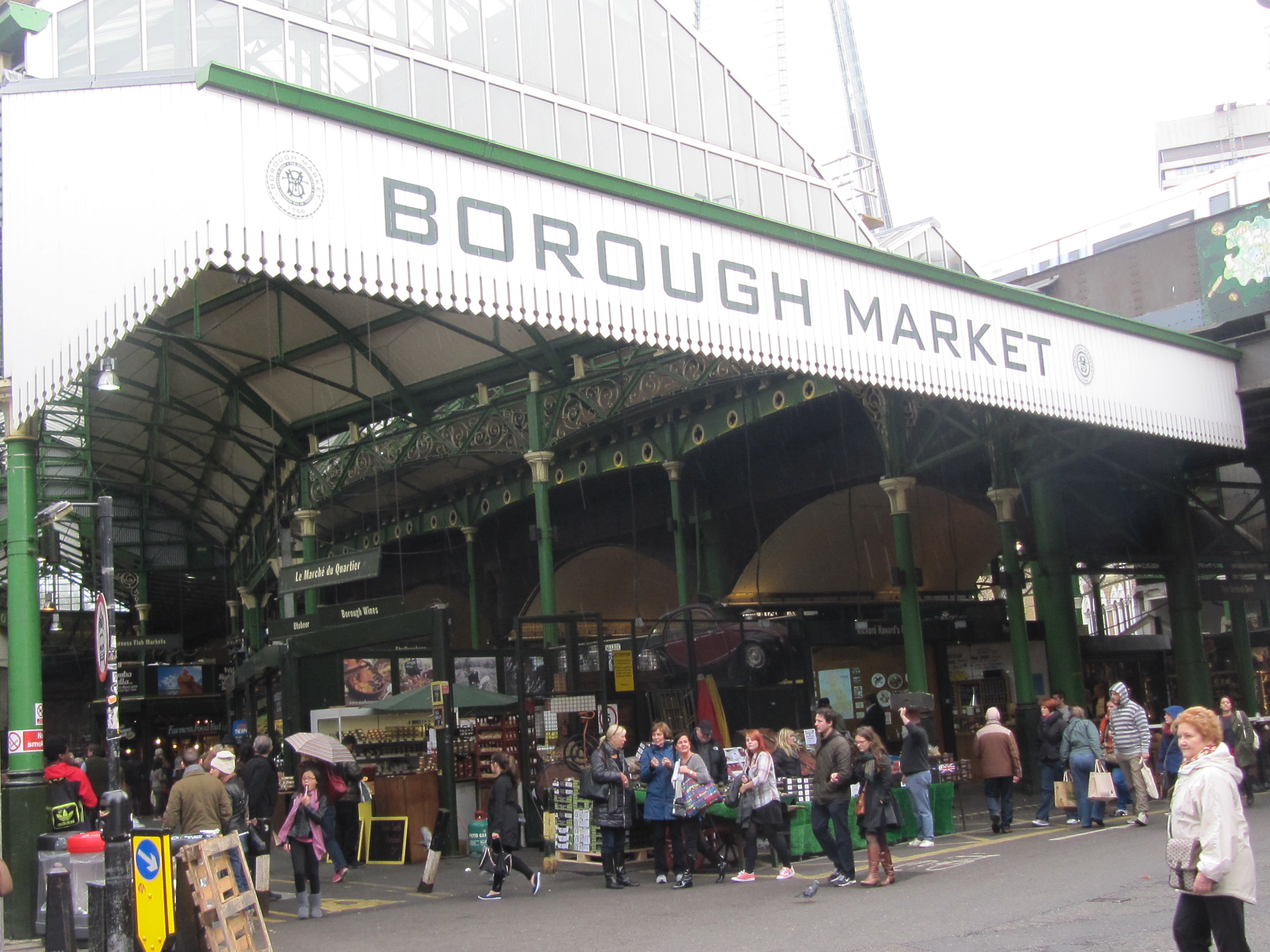
Boroughs market for lunch with Sister-in-Law who came to visit. This has got to be the BEST Foodie Market. So many great marketers.. Jenny Dawson of Rubies in the Rubble, who brought disadvantaged women together, using local produce, produces great chutneys and of course employment! Lloyd Hayes who used to be a drug dealer and now a chef due to Jamie Oliver’s Fifteen Foundations course and a regular demonstration chef at the Boroughs in his old neighborhood.Ronnie Hancock of Wright Brothers Oyster and Porter House..who brought back oysters from the Thames and serves them with Porter. Porter was a drink that emerged out of London, had a connection with the markets way back and a favourite of the workers…hence its name. Apparently the chocolate notes of porter balance very well with the salinity of oysters….alll fitted well with the borough.
Now me, I still prefer just having a Borough’s glass of proseco…nothing like it at 11 in the morning with the multitude of smells in the market.
IMG_8862
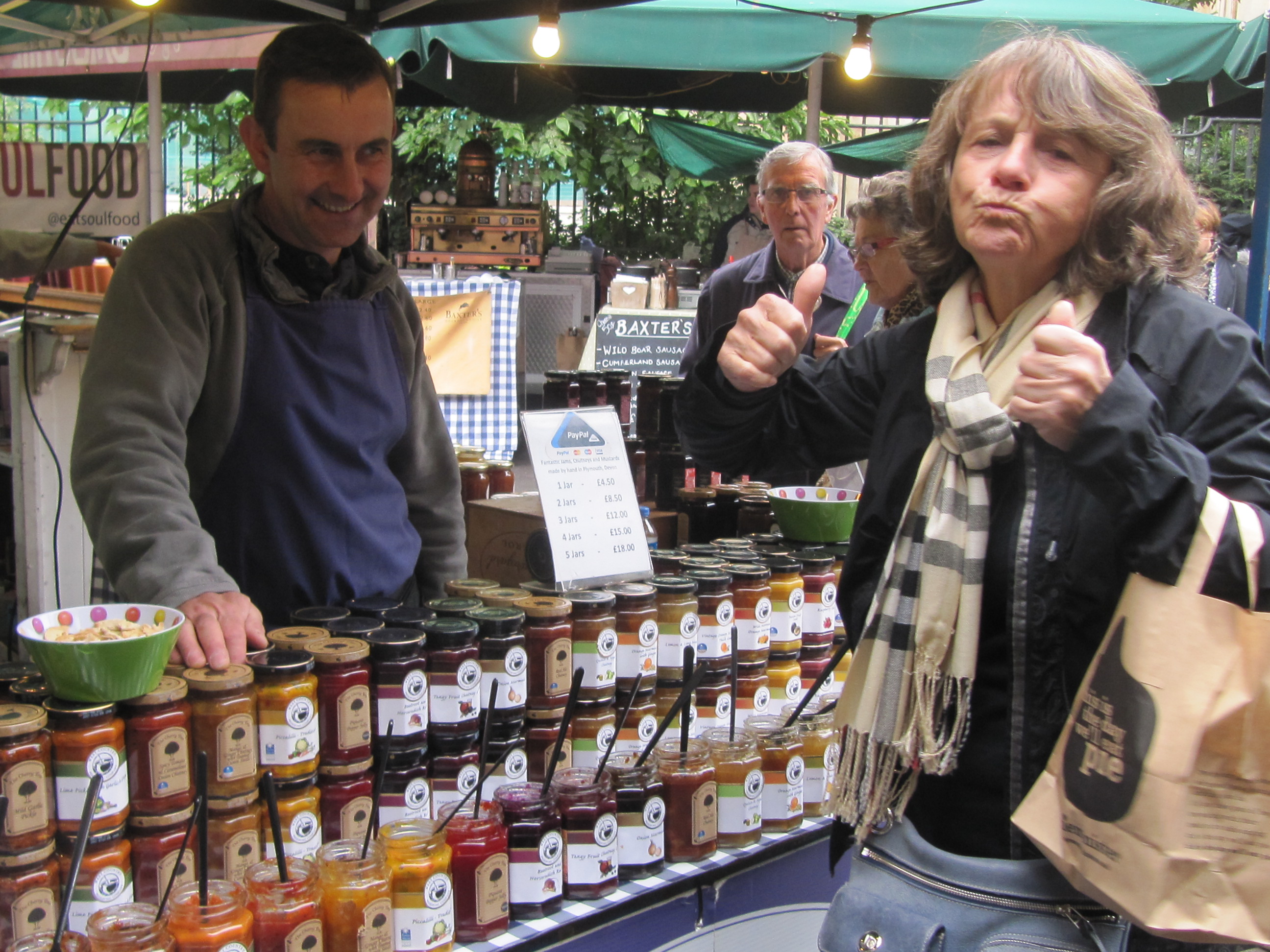
My favorite purveyors Pieminster Pies..nothing like them …..Moopie, Chicken Funghi, and about 10 more. The Cherry Trees jams and chutneys..Spicey Tomato and Caramelized Onion, my current favorite and cheeses ..so many places.. but Neal’s Yard Dairy right at the top..a must see shop. And for coffee the Monmouth Coffee shop…be prepared to line up though!!
IMG_8858IMG_8855
IMG_8840
IMG_8758
IMG_8838
Great Shows… latest was Once. An Irish busker, a Czech pianist and some fabulous musicians make for a great experience.
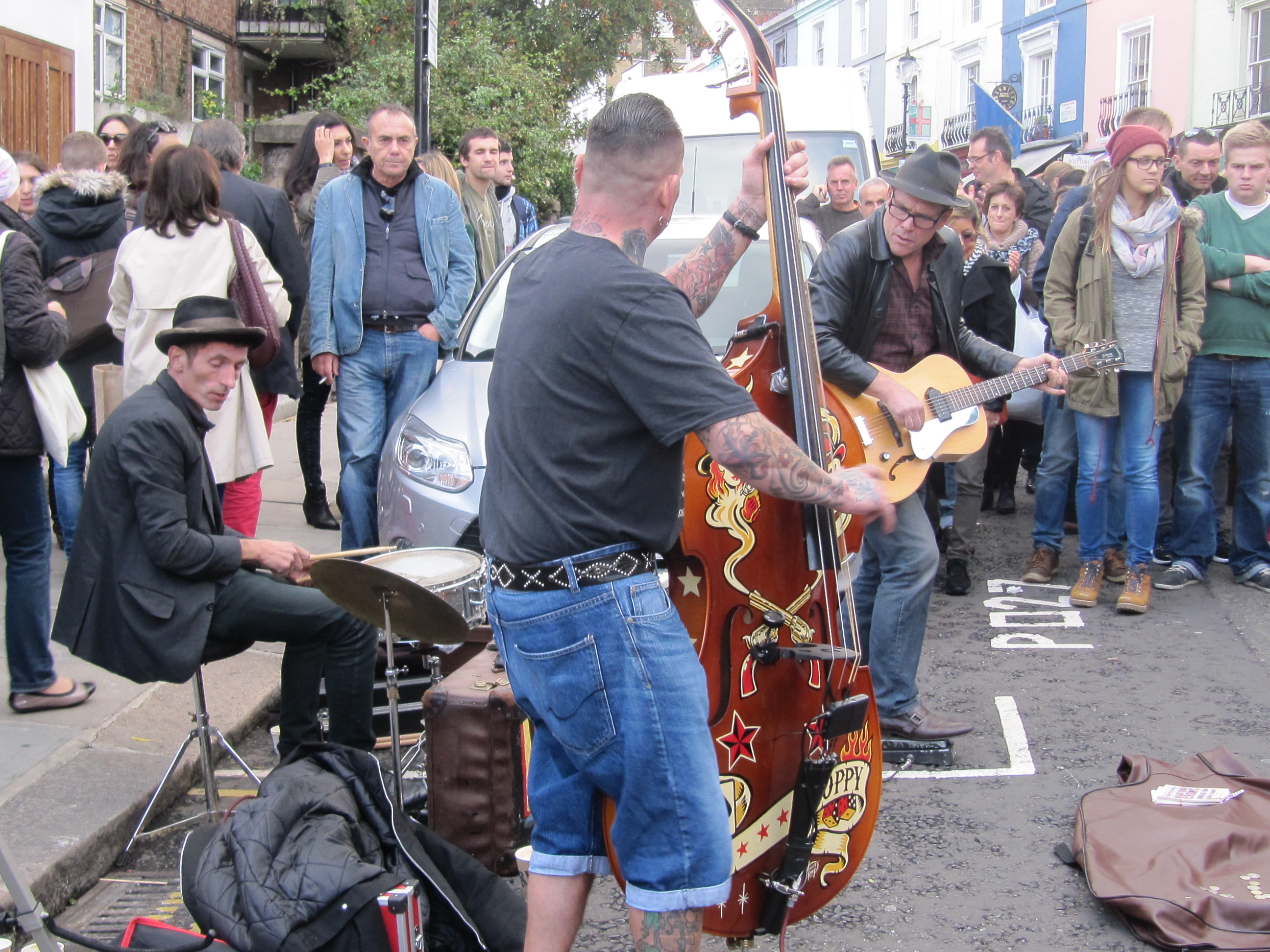
And of course real live busking at Portobello market!!!
IMG_8926

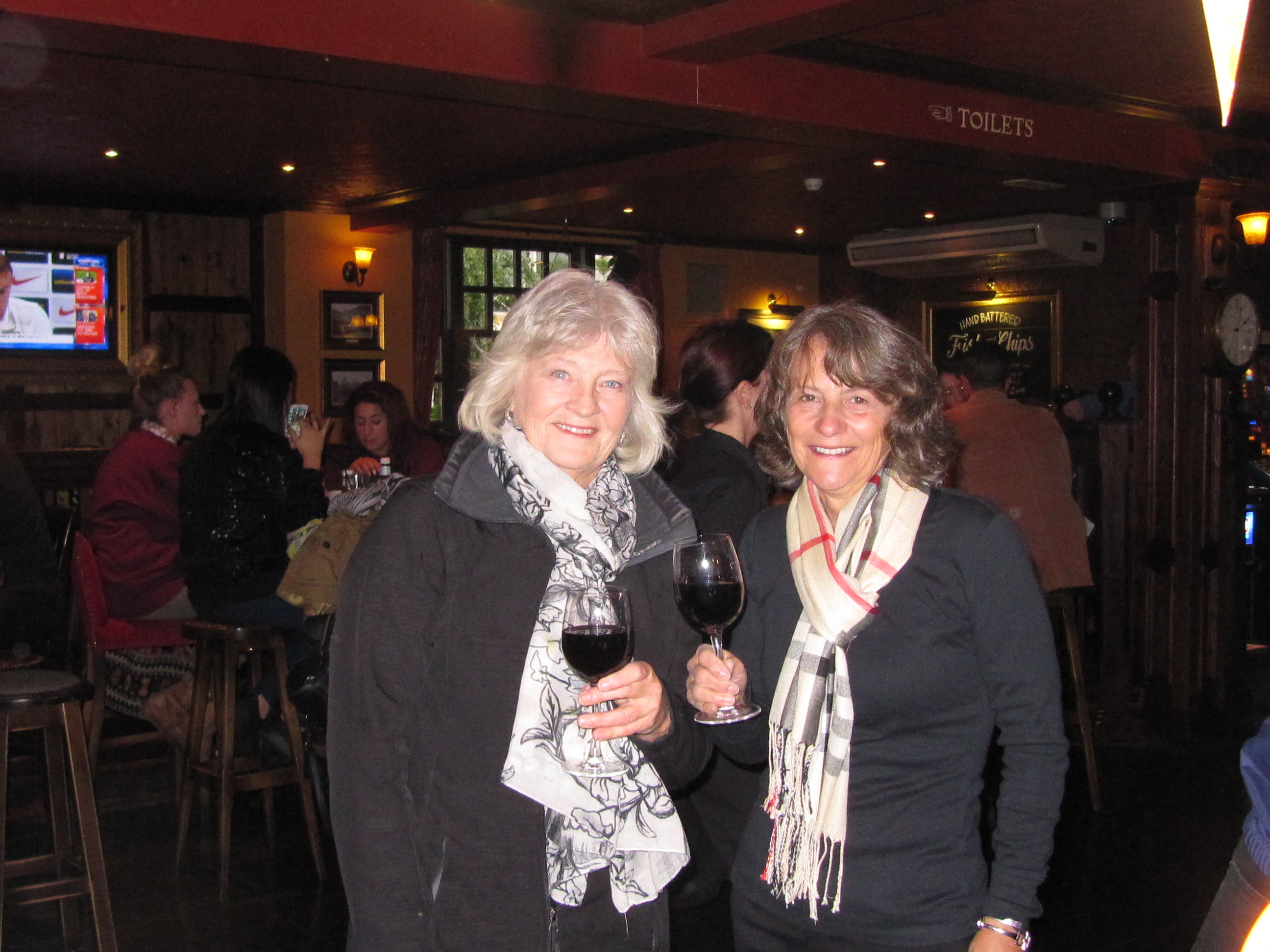
Pub crawls along the Embankment,
IMG_8898IMG_8871IMG_8885

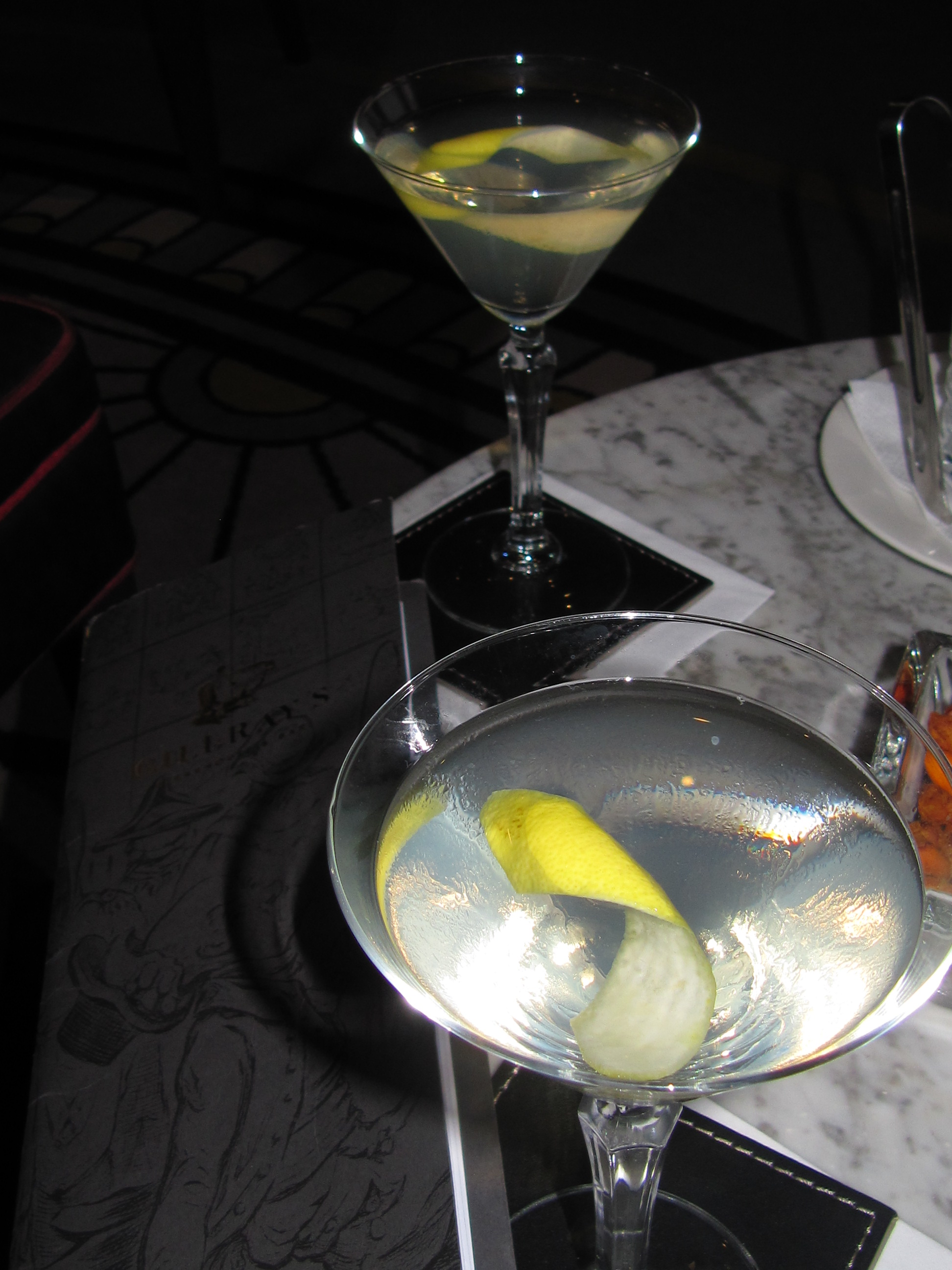
cocktails at Sofitel and other swanky hotel bars
IMG_8906
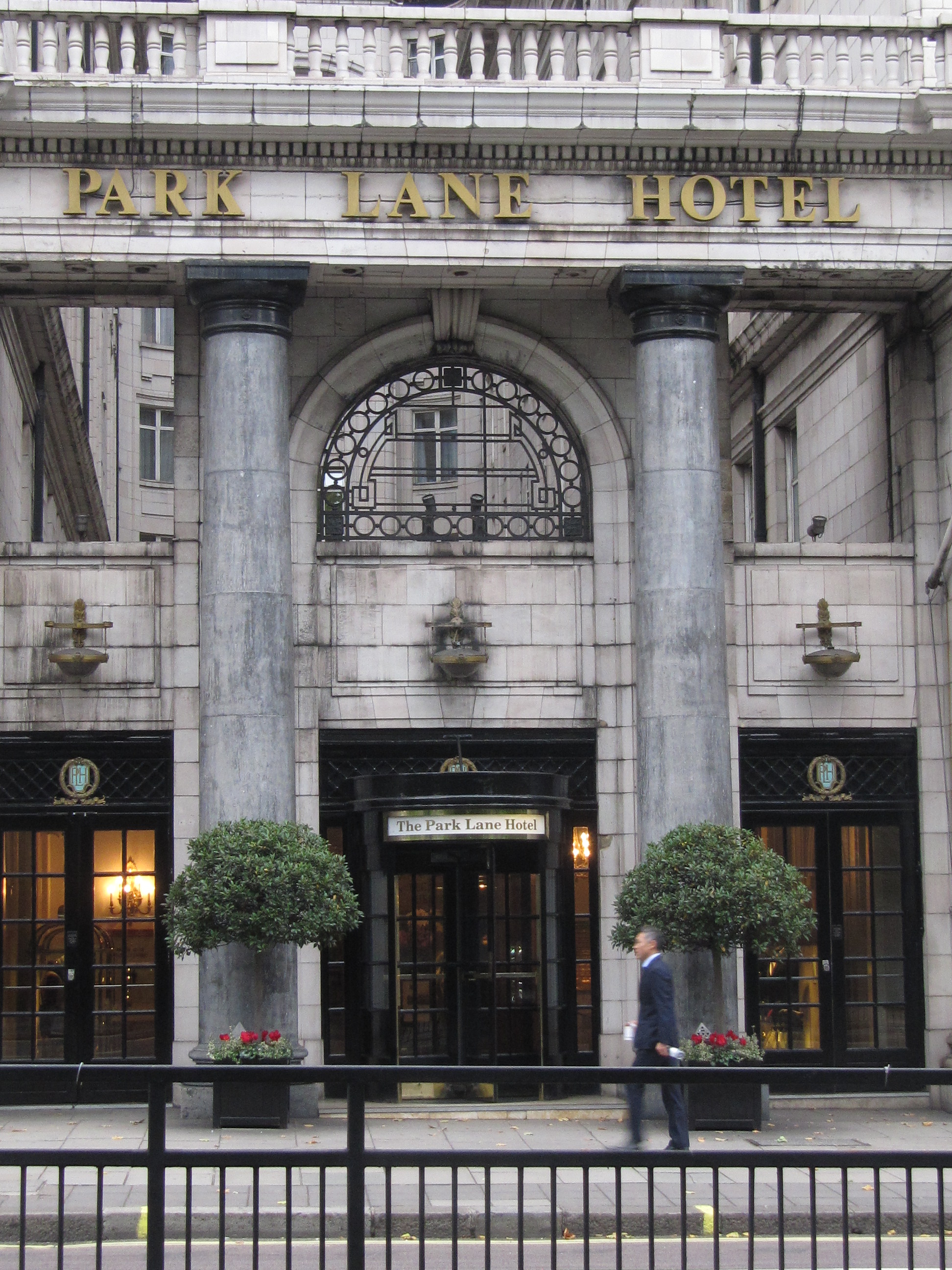
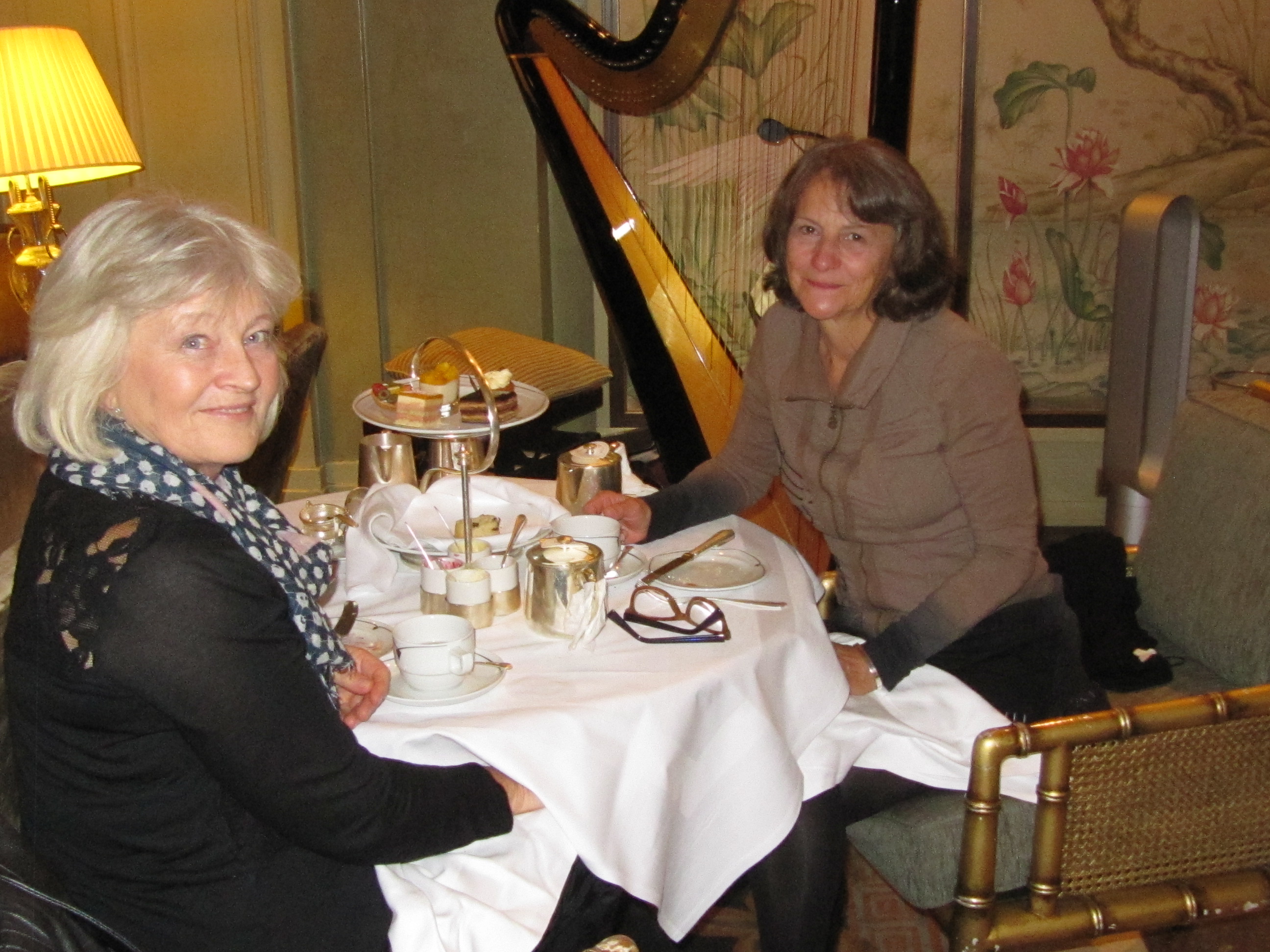
. High Tea at the Park Lane Hotel,
IMG_8791
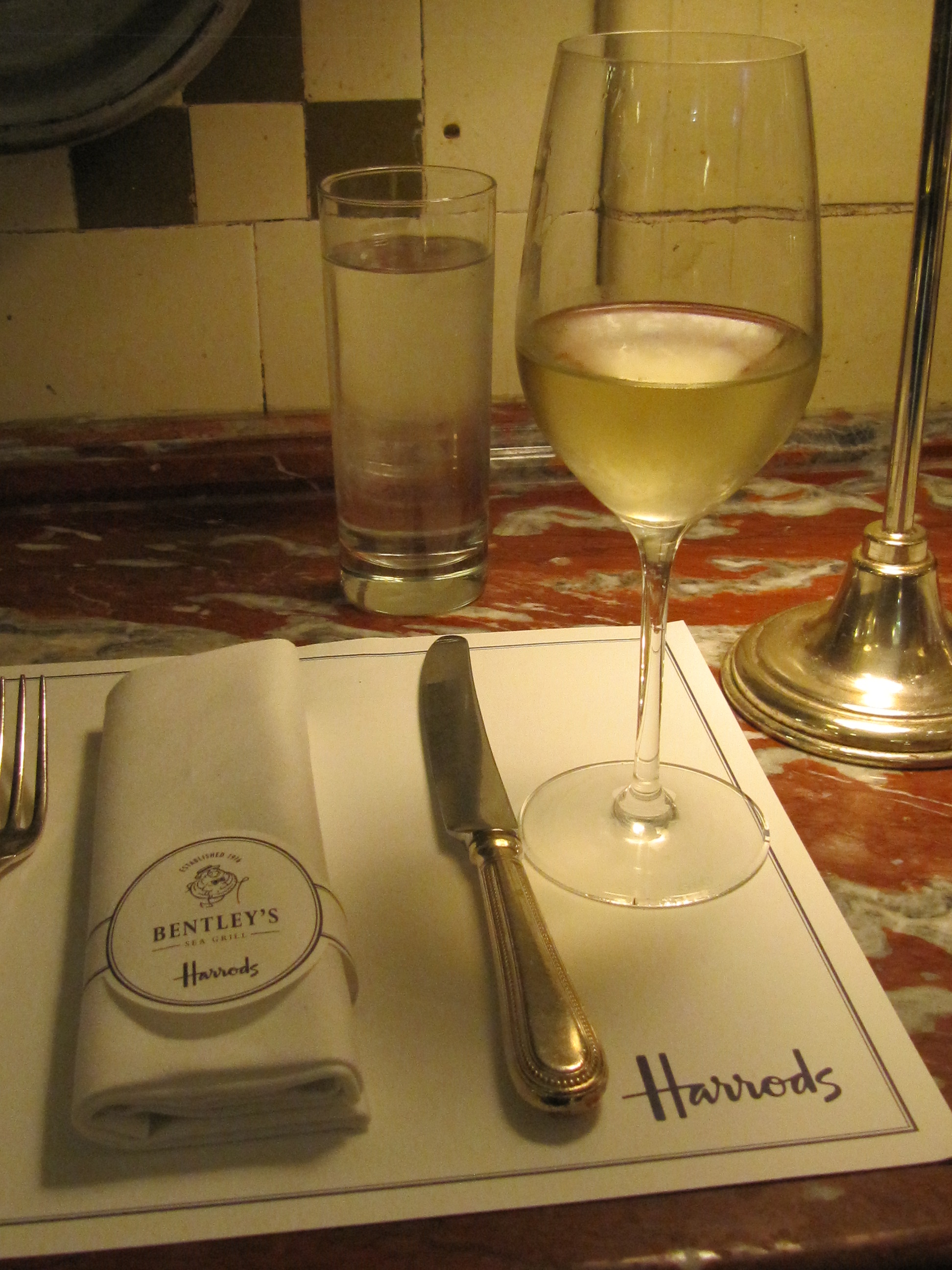
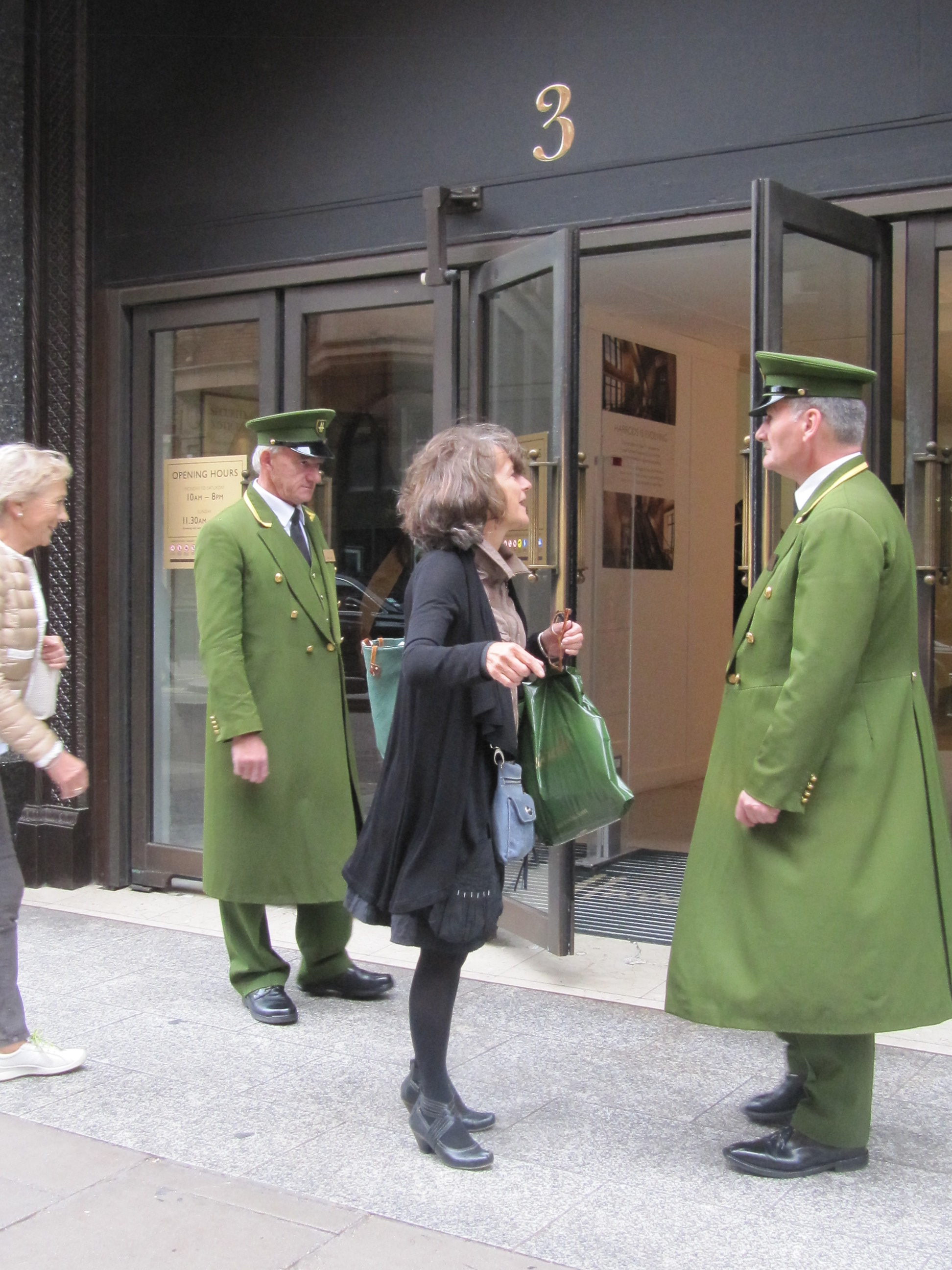
lunch at the food court in Harrods,
IMG_8773IMG_8800IMG_8786
and of course popping into Prince Bonaparte..fav pub across the road after a day on the town.. eating and drinking one’s way through all London has to offer.
IMG_8820
Sunday service at St Paul’s Cathedral
???????????????????????????????
and a walk through the parks… glorious sunshine
IMG_8764IMG_8766
A city for all the senses!!!

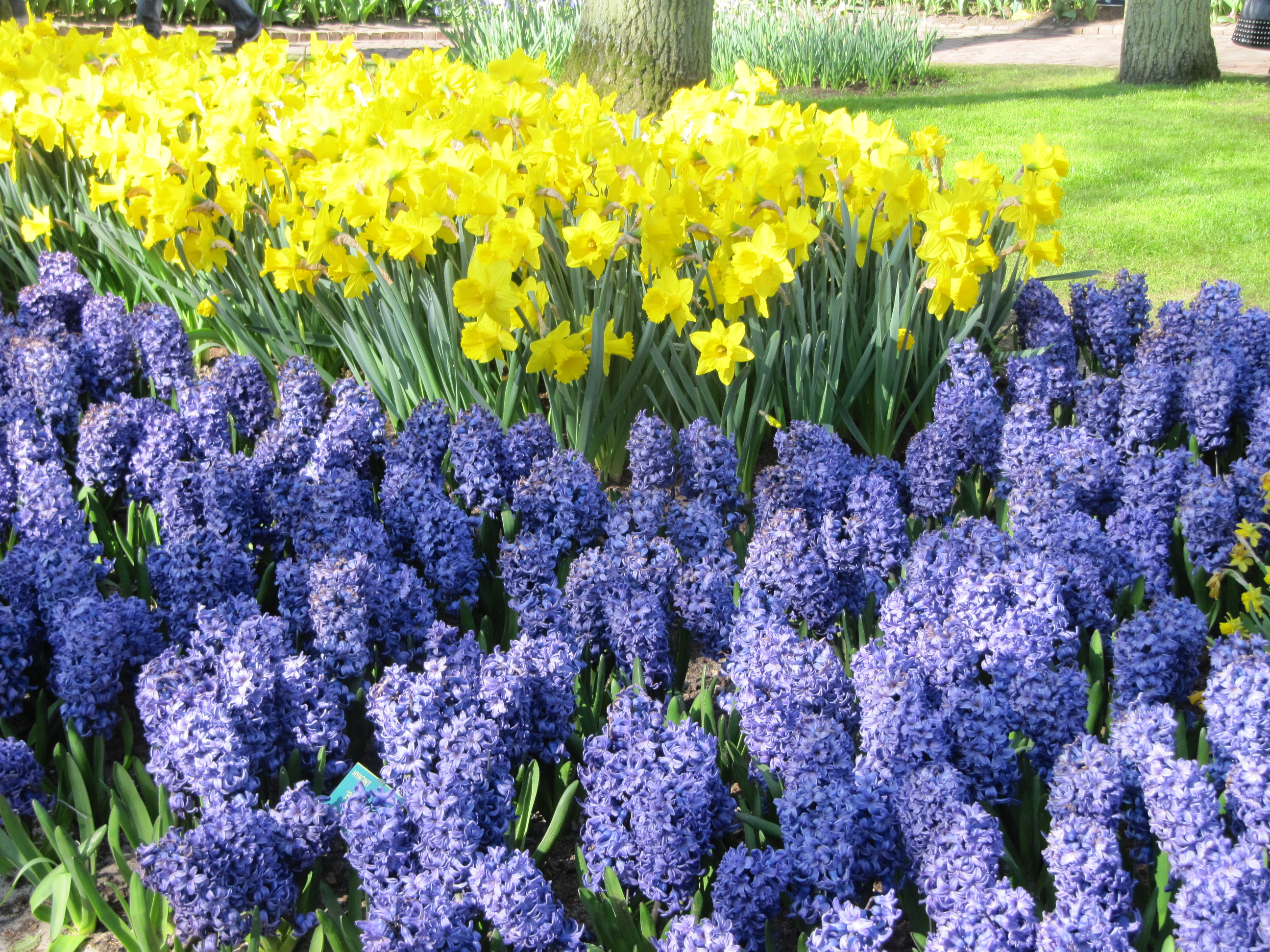
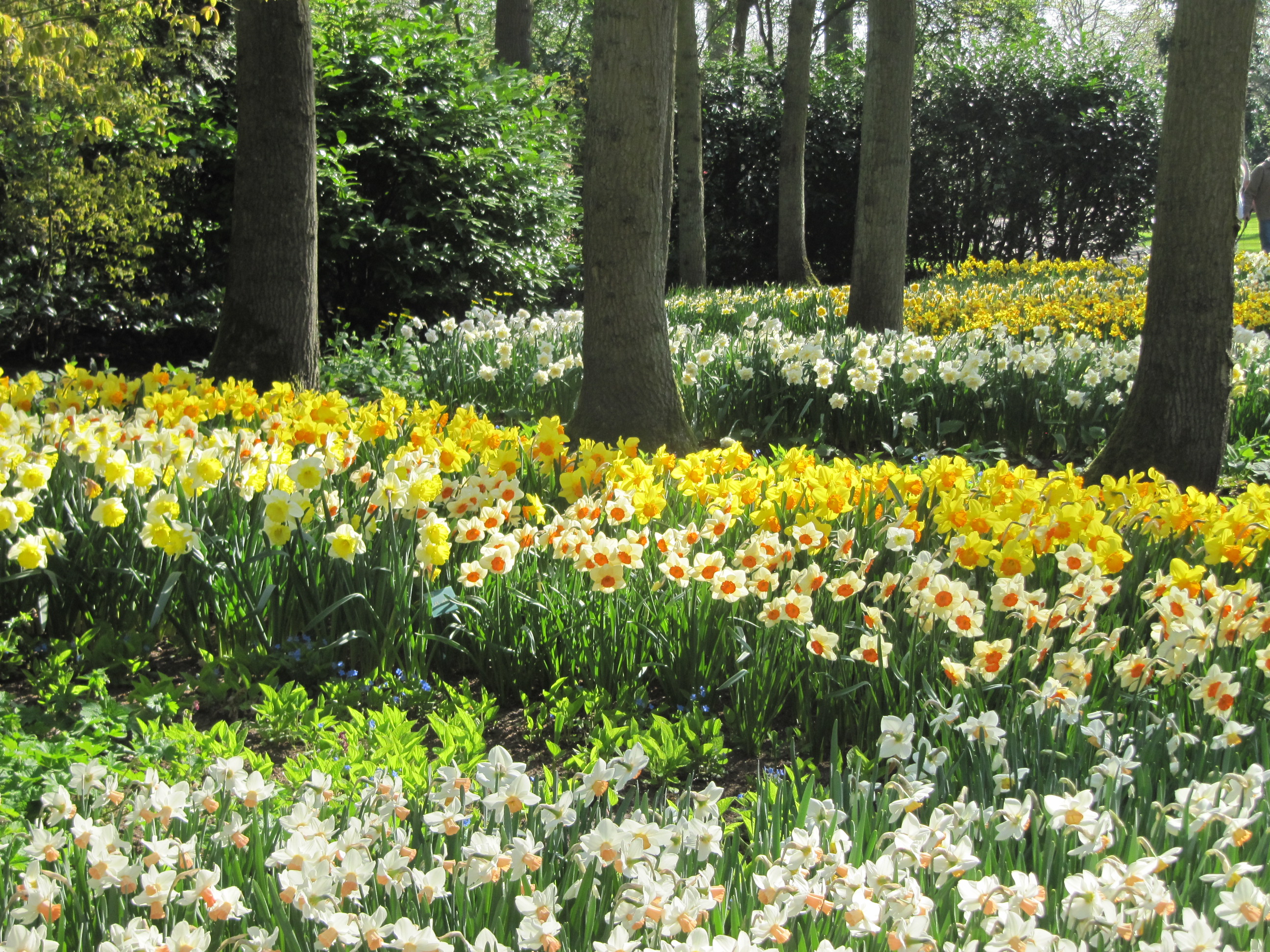
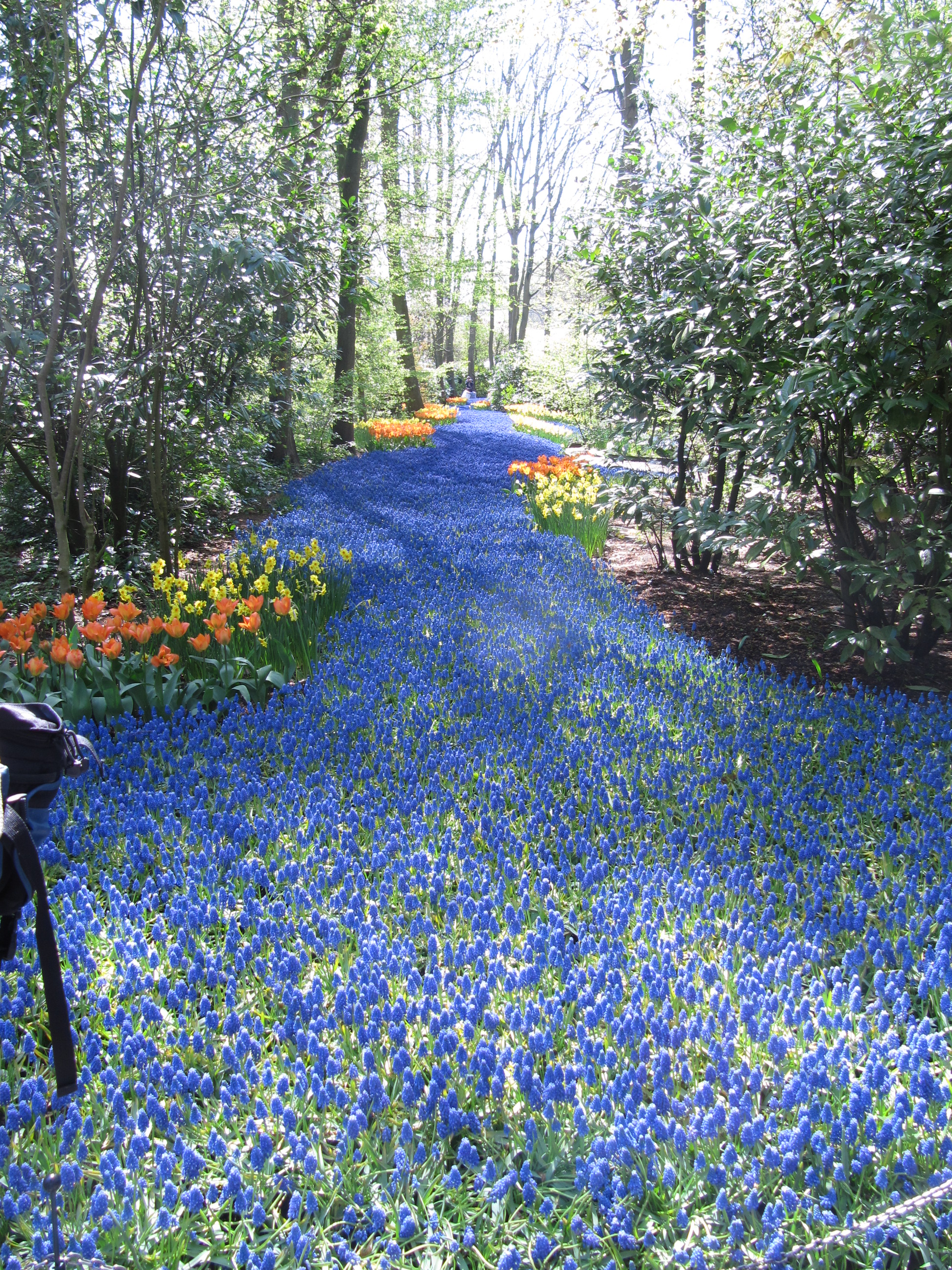
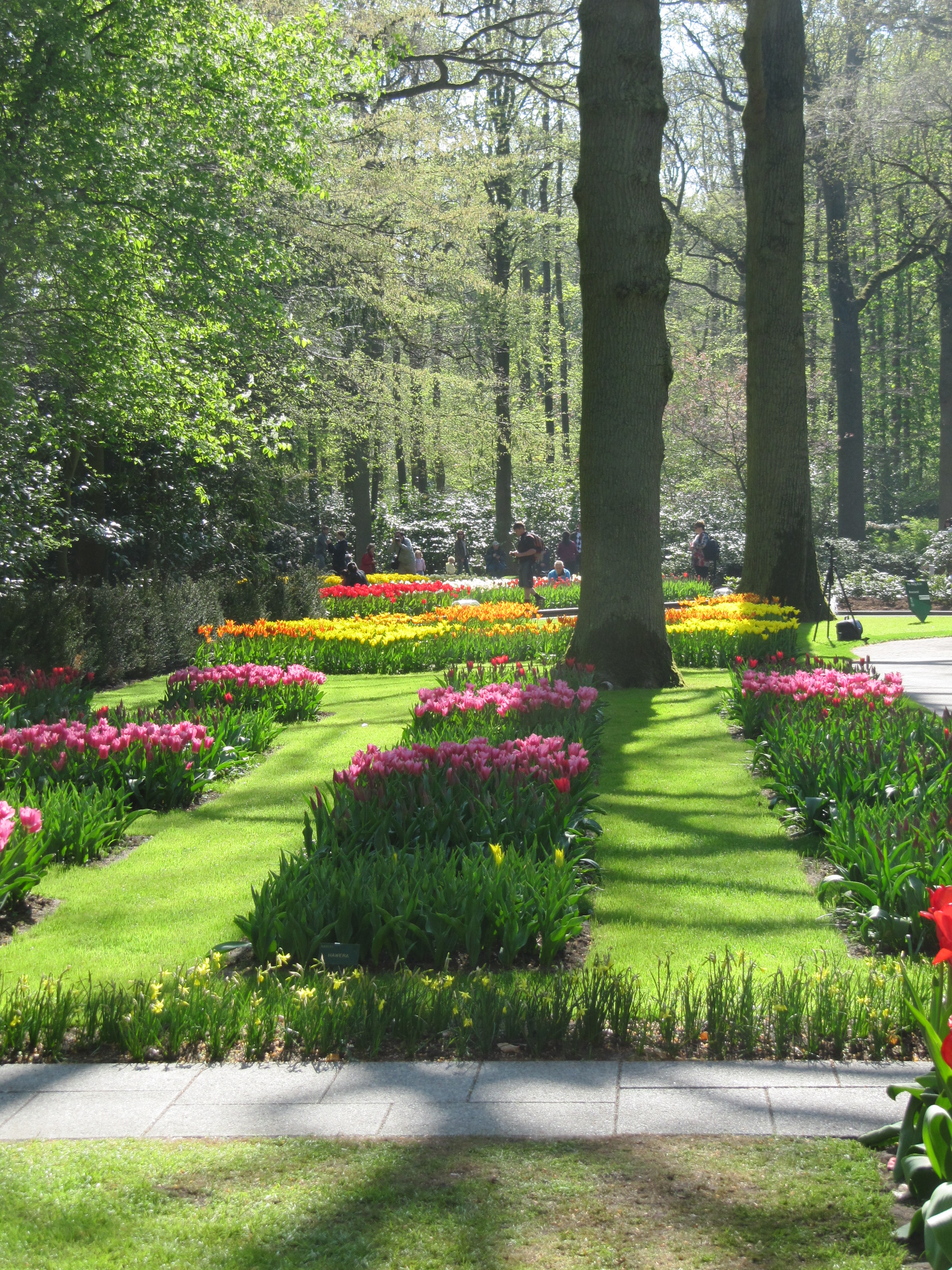
Ever seen 7 million tulips, daffodils and hyacinths all in bloom? NO?
Nor have I.
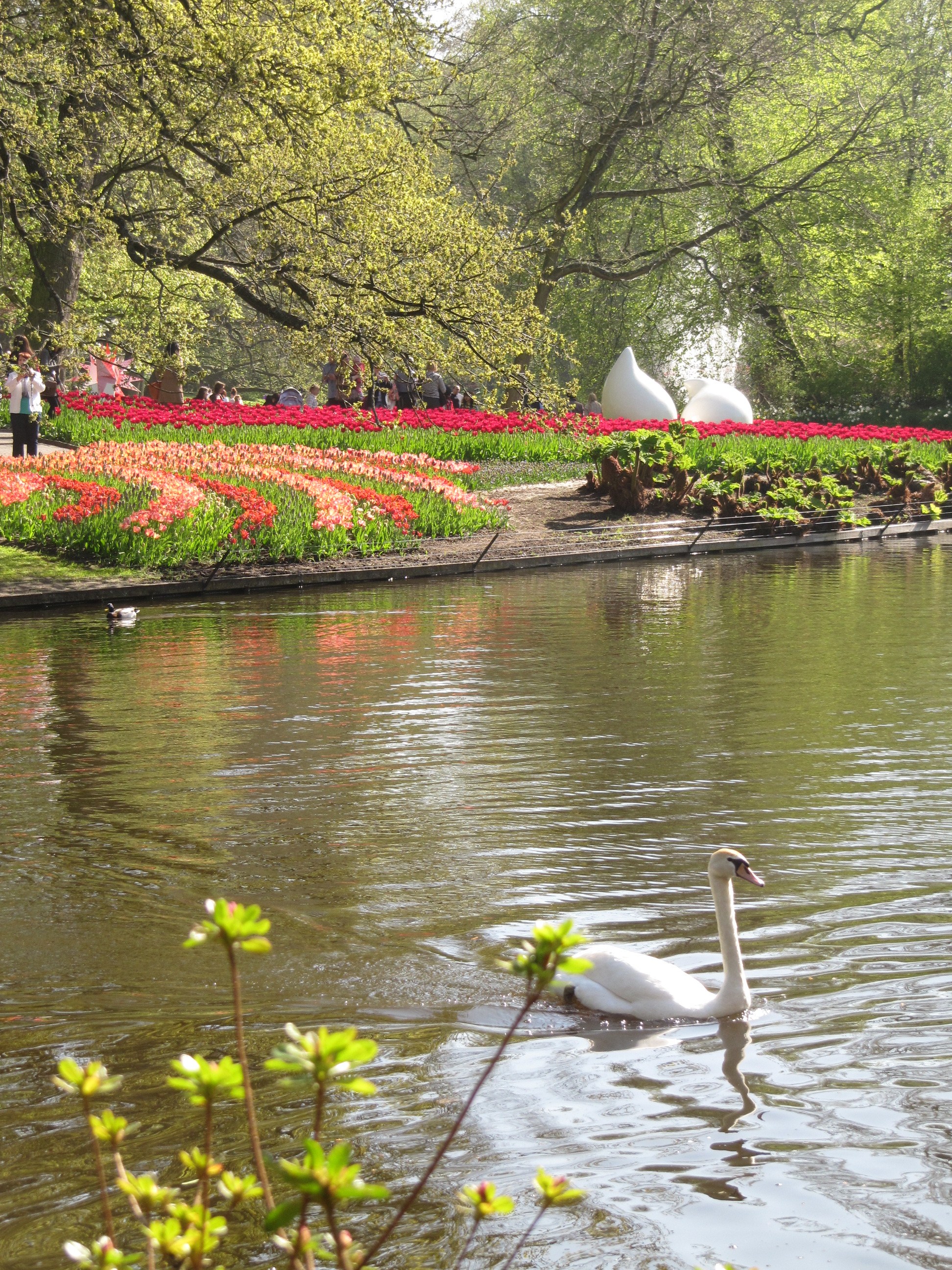
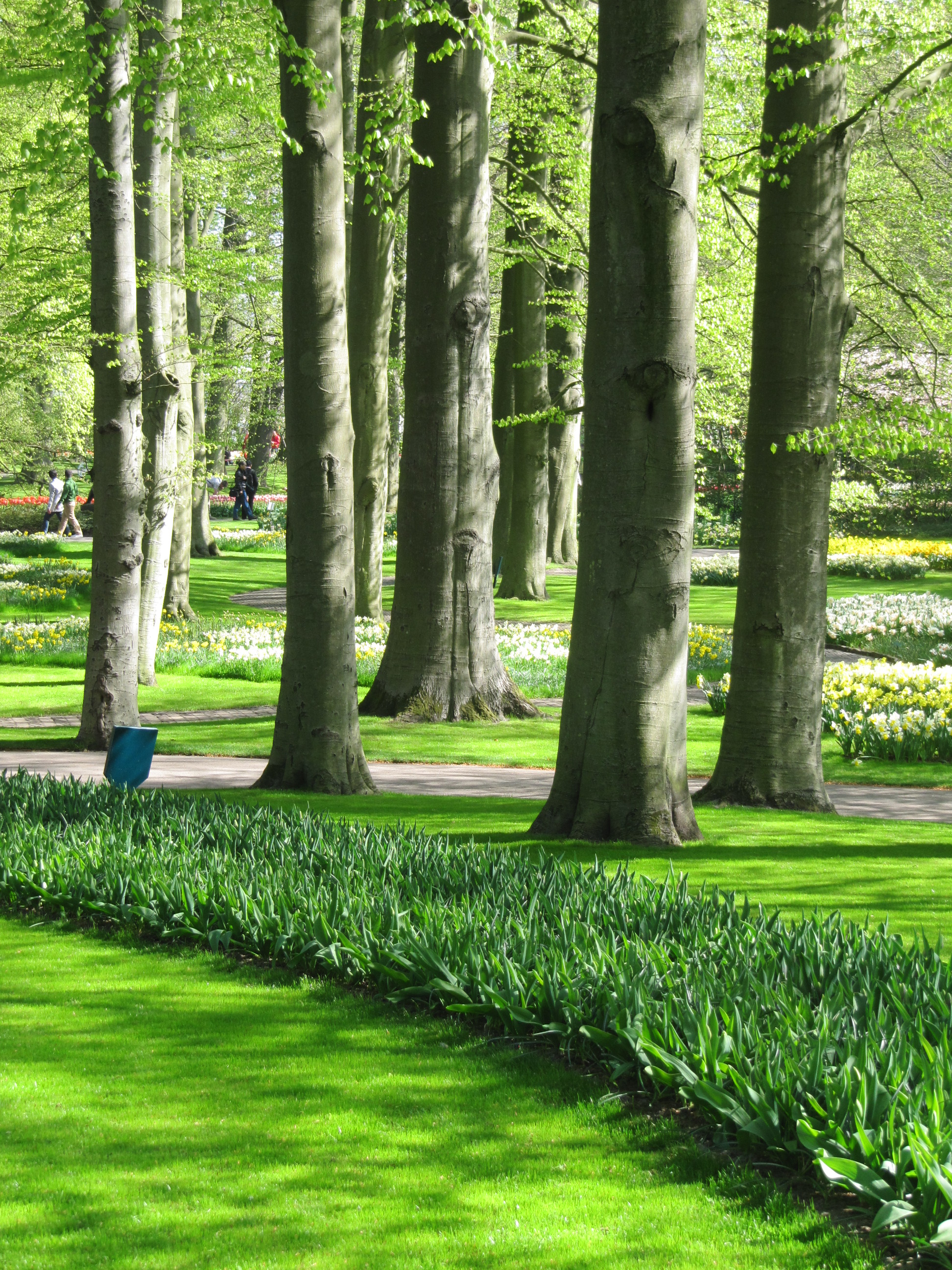
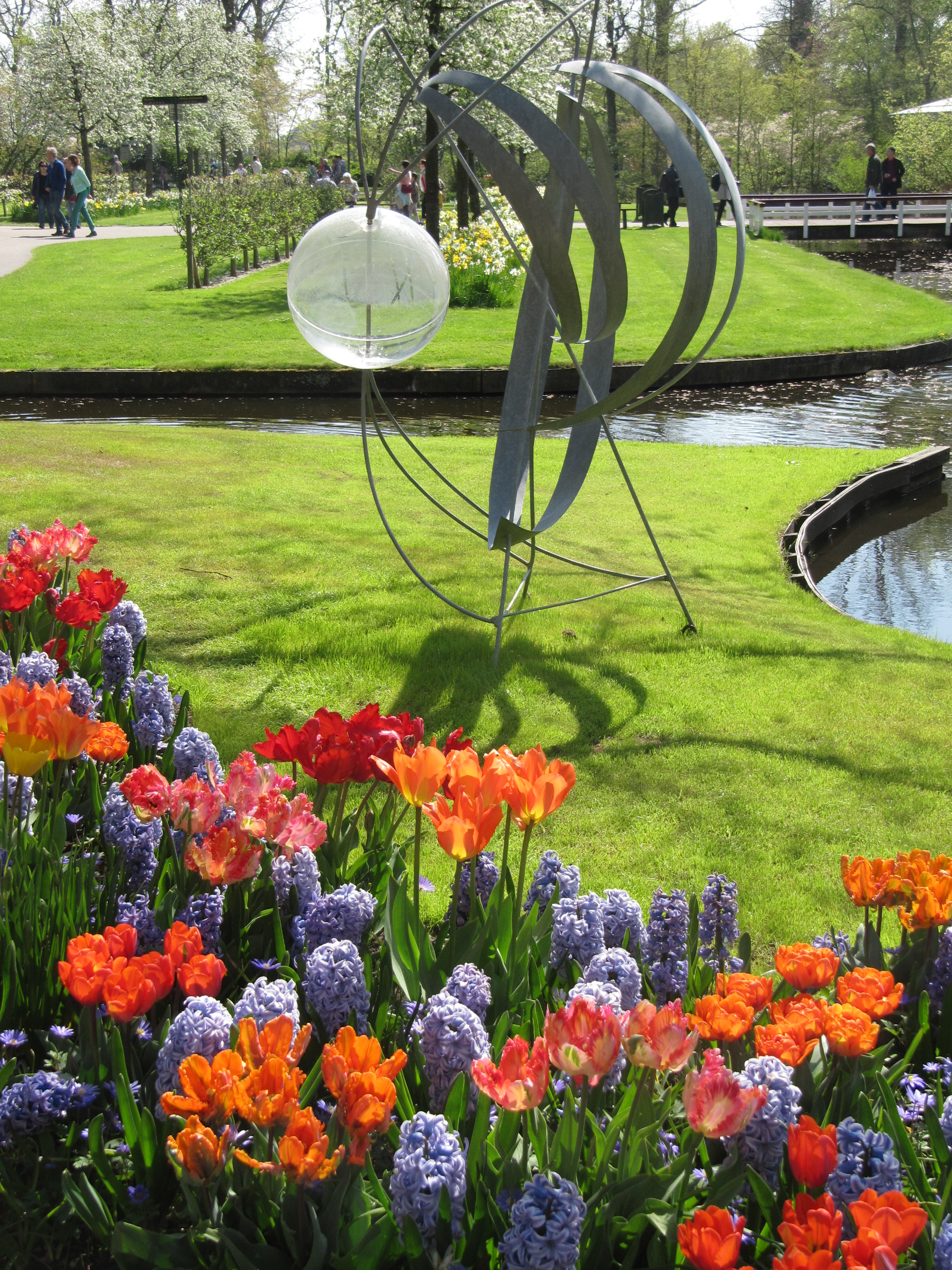
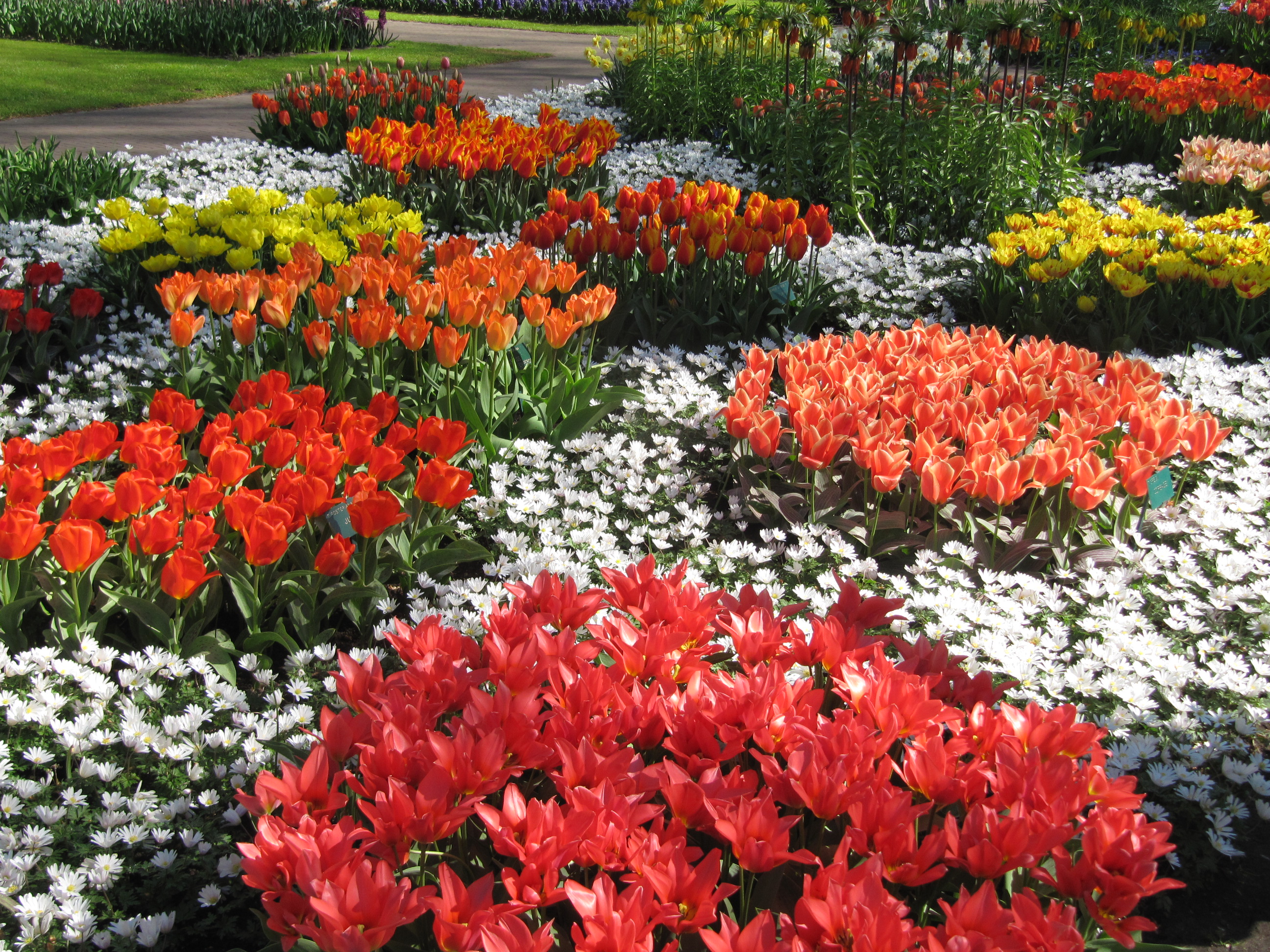
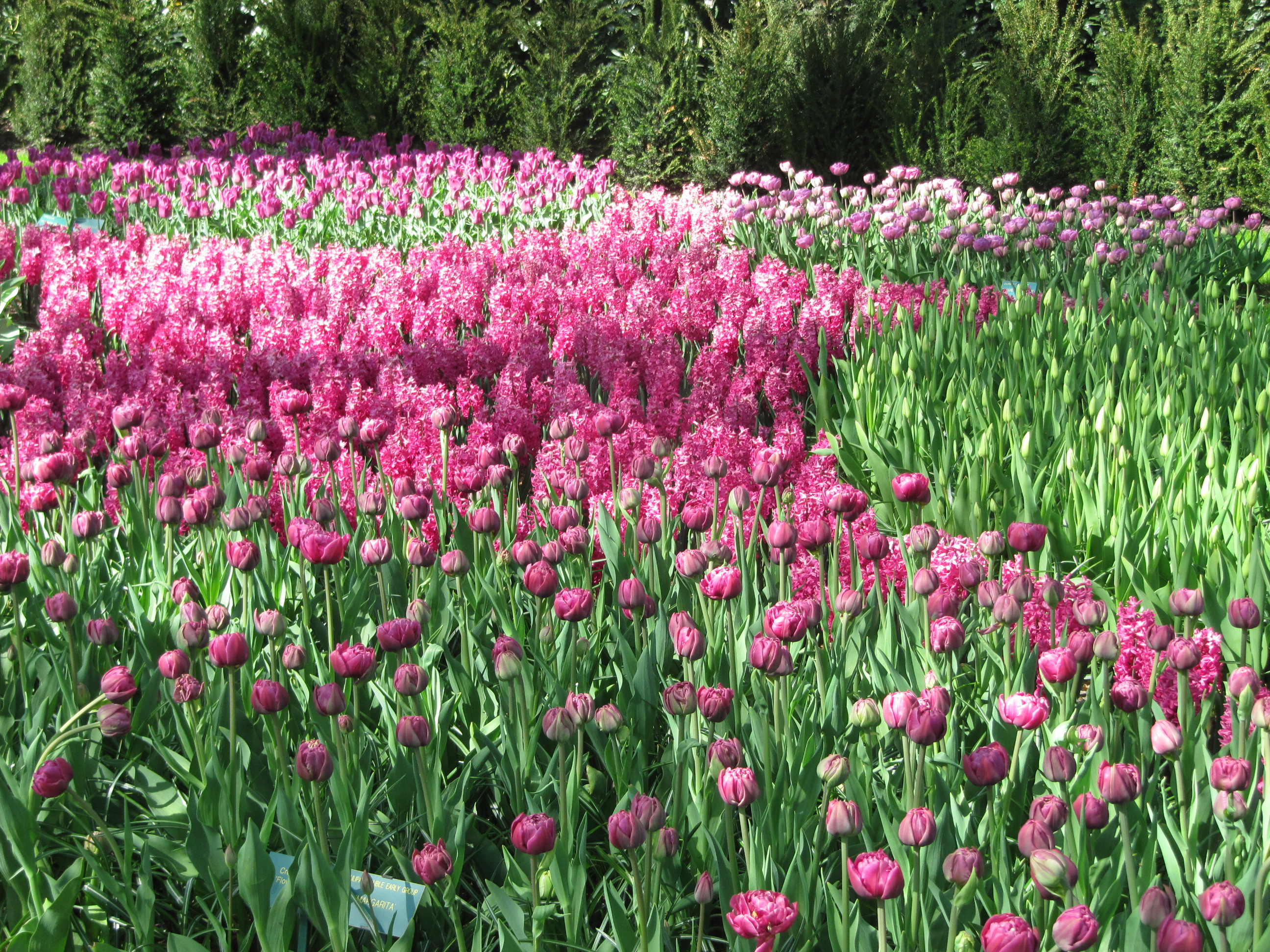
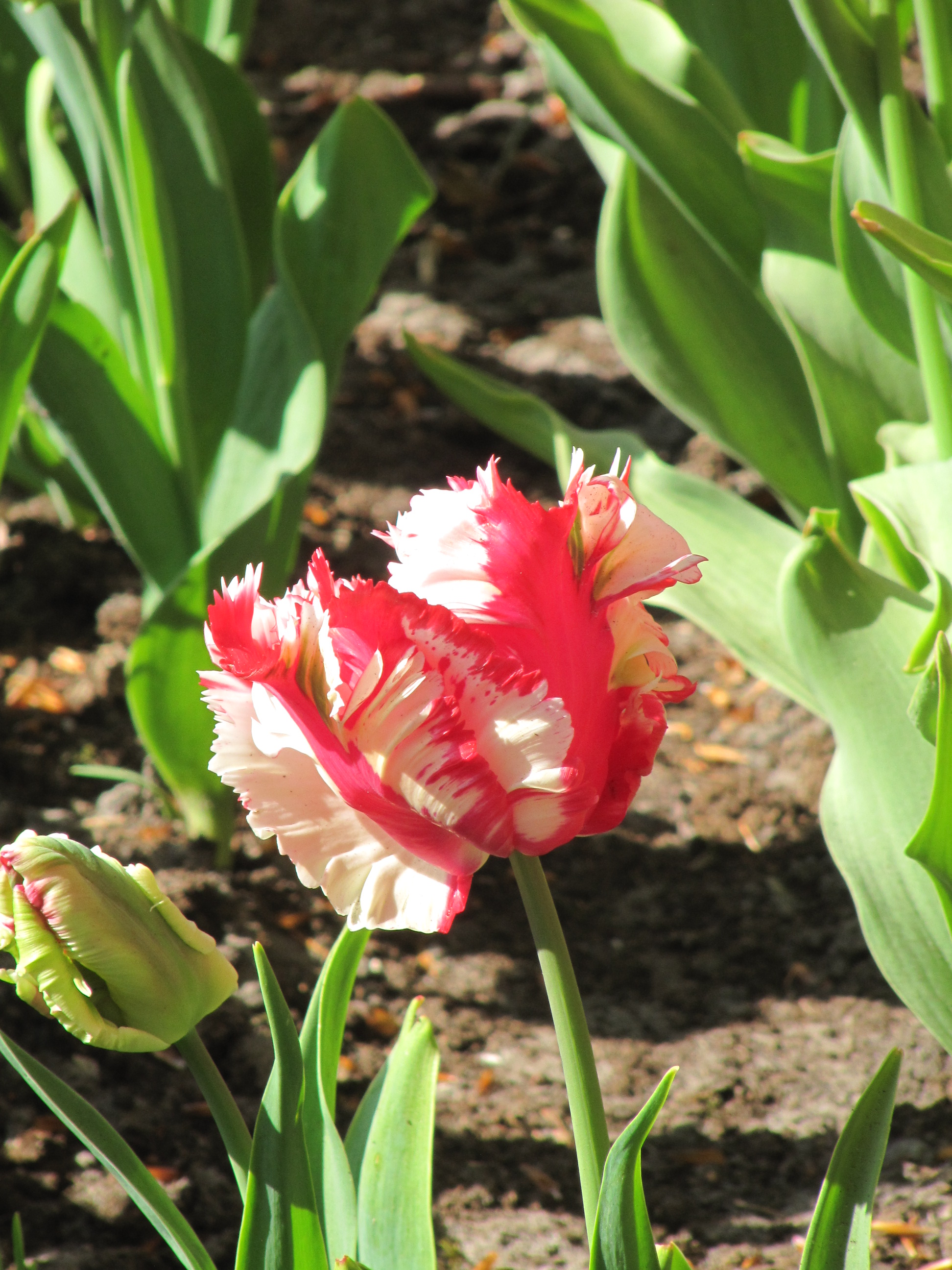
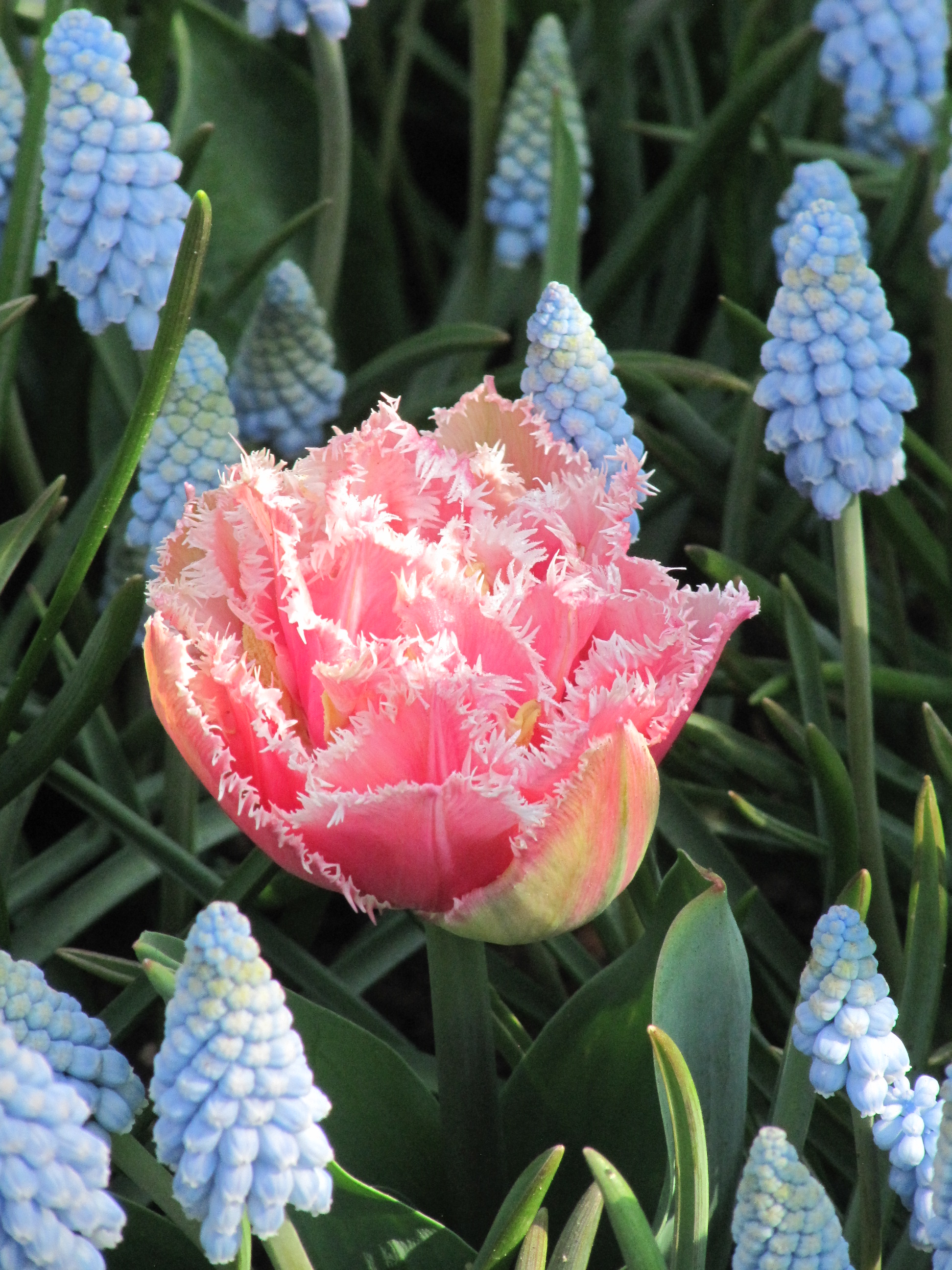
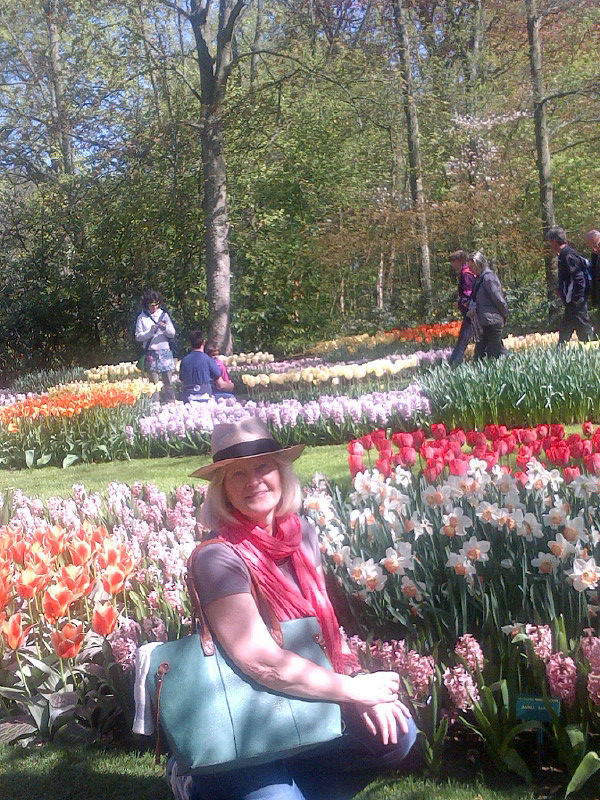
But it was probably 5 million 4 thousand, 2 hundred and 73 tulips, daffodils and hyacinths…plus a couple thousand orchids. Even though spring was extremely late here in HOLLAND, our visit to the KEUKENHOF was in one word spectacular!!

IMG_7288

IMG_7291

IMG_7382

Mothers day in Canada, Liberty Day in Holland saw my colleague Tracey and I taking an early bus to the Keukenhof gardens just outside Amsterdam to take in the annual spring splendor.
The Keukenhof opens every spring for 2 months ( between the end of March to the end of May)

Keukenhof is dutch for Kitchen Garden.. it gets its name as the location was originally the castle’s( Slot Telylingen) kitchen herb garden. Baron and Baroness van Palland originally invited garden architects JD and LP Zocher to lay out the castles gardens. They had also designed Amsterdam’s Vondelpark…just 5 minutes from my apartment…a huge city park. Keukenhof was designed in the English landscape style.

IMG_7325
IMG_7300
IMG_7297IMG_7292IMG_7291

The current public gardens were established by the Major of Lisse in 1949. Today the 32 hectares of garden are planted every year by leading bulb growers and suppliers ( 86 of them in fact) They come from surrounding area, which of course is the key bulb growing district of the Netherlands –Lisse. Every weekend different flower exhibitions are featured in the 3 major pavilions. It is a clever commercial for a significant dutch business.
IMG_7338IMG_7315IMG_7301

However, it is clear that the TULIP reigns supreme in Keukenhof and continues to be the archetypal dutch flower. The first tulips were shipped to Vienna in 1554 from the Ottoman empire. In 1593 cultivation started in earnest and the dutch found that the plants tolerated the harsher conditions of the low countries. The tulip quickly became a coveted luxury item. It takes 7-12 years to grow a tulip bulb from seed. By 1636, the tulip bulb became the fourth leading dutch export after genever ( dutch gin) , herring and cheese. Prices skyrocketed and speculation on tulip futures was rife. Tulip mania reached its peak in 1636-7 and then the market collapsed in February 1637. IMG_7308IMG_7318

Today of course dutch bulbs continue to be exported across the globe. I saw some of the most amazing colors and varieties while at Keukenhof and hope to bring some home to plant in my cottage garden.

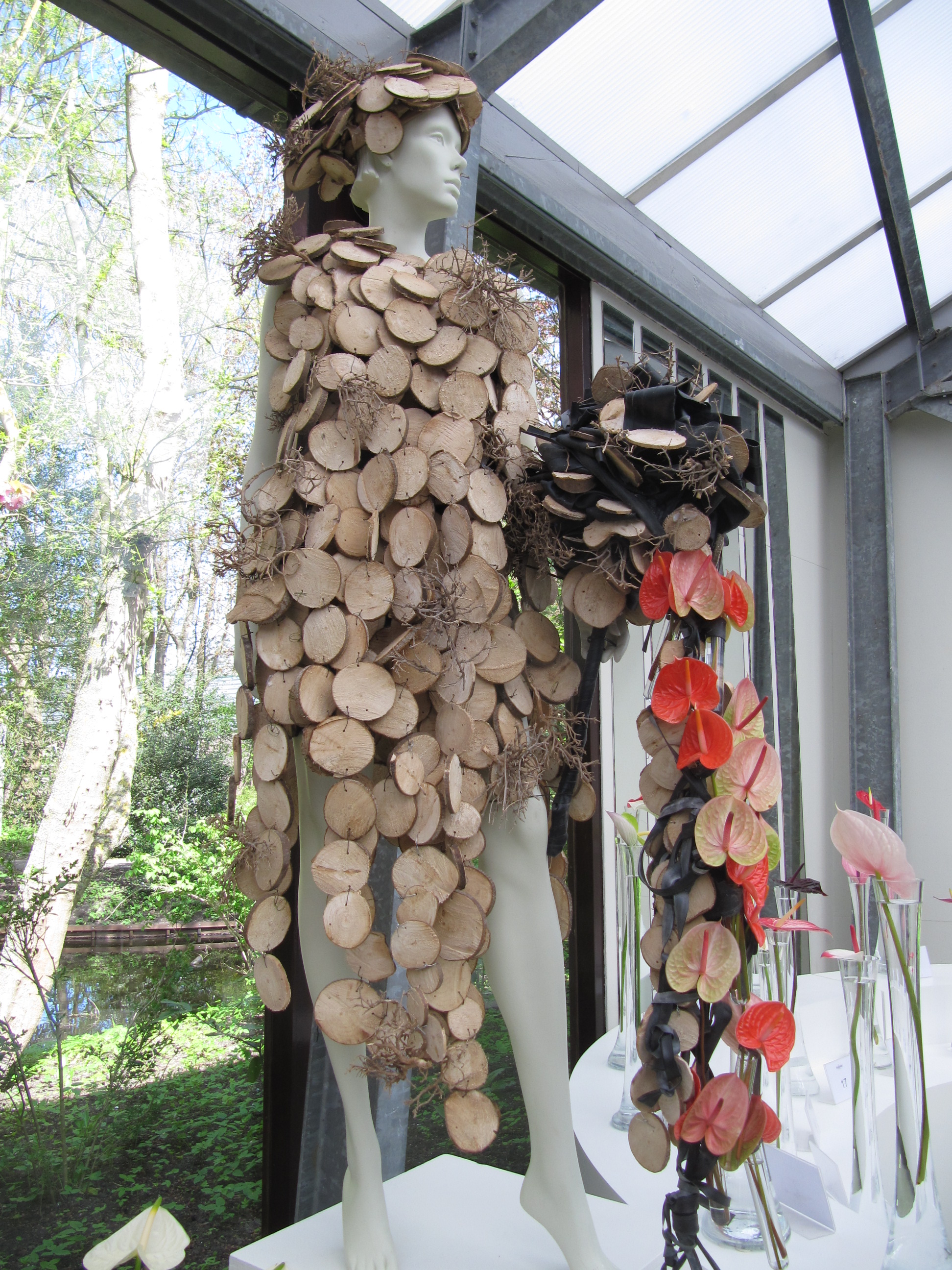
The orchid exhibition we were lucky enough to see was incredibly creative and beautiful as you will see from these pictures.
IMG_7362IMG_7361IMG_7360
For 64 years over 52 million visitors have taken in these amazing gardens and exhibitions. Luckily while we saw millions of flowers, our early start ensured we were not surrounded by millions of people.. 4 hours later however, the crowds had followed us and we left having feasted our eyes on the rows and rows of coloured flowers.
IMG-20130505-00301
If you are in Holland in the spring do not miss this garden!!!